Kashmir Great Lakes Trek (7–8 days)
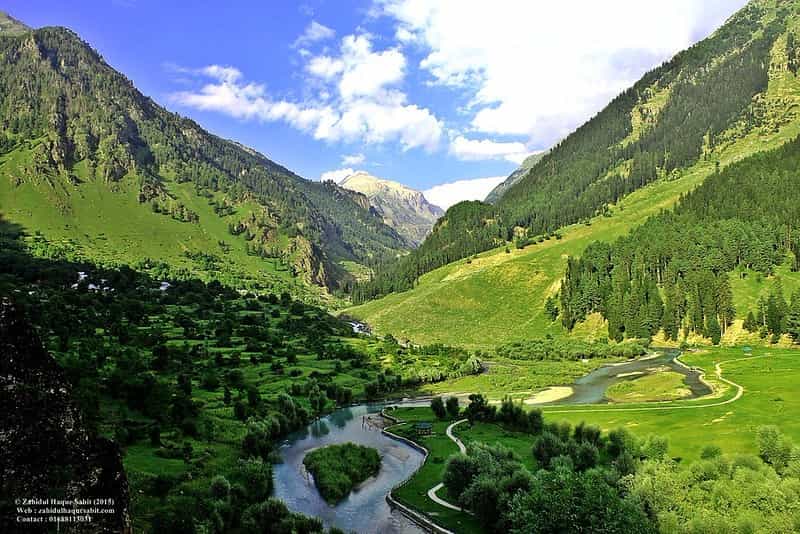
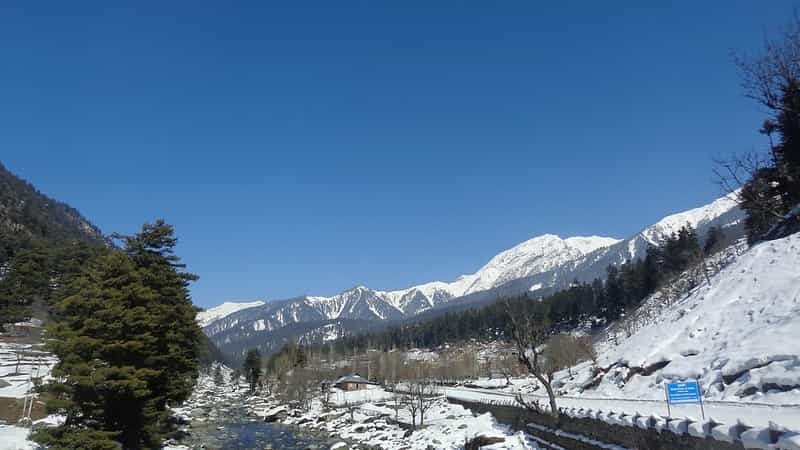
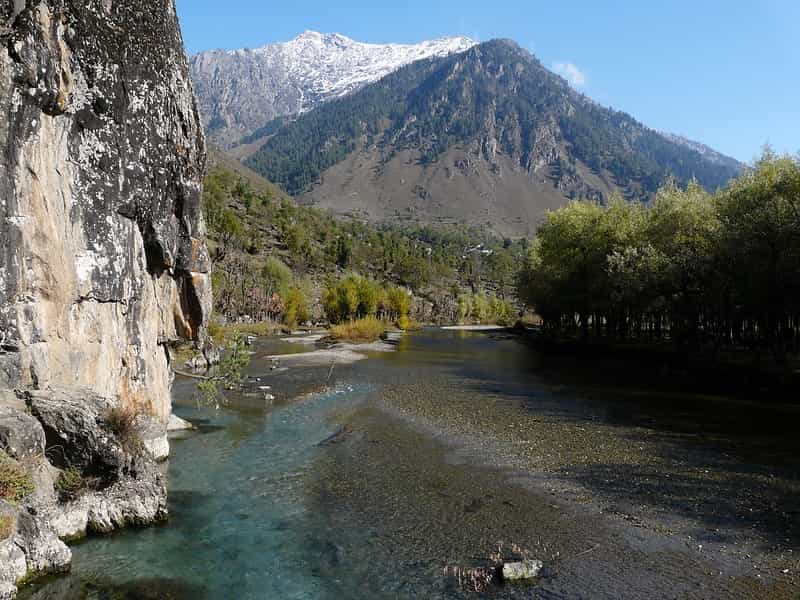
Kashmir Great Lakes Trek is a high-altitude alpine trek through some of the most spectacular lakes, meadows and passes of the Kashmir Himalaya. This 7–8 day route starts at Sonamarg and finishes at Naranag, covering pristine lakes such as Vishansar, Krishansar, Gadsar and the Satsar group, with panoramic views of the Zanskar and Pir Panjal ranges. The trek combines moderate-to-strenuous hiking, river crossings and high mountain passes, and is ideal for fit trekkers who want a mix of landscapes, photography opportunities and remote camping under the stars.
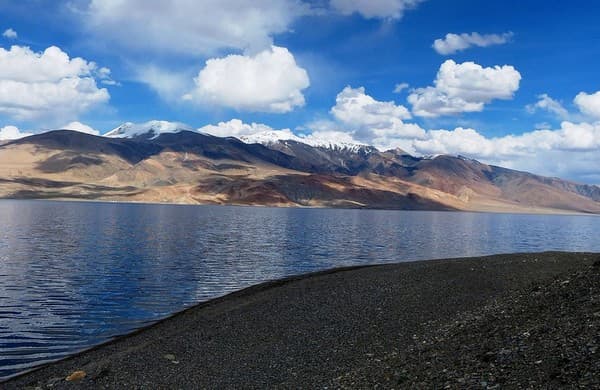
Location
Sonamarg to Naranag (Kashmir Great Lakes circuit), Sonamarg / Naranag (Ganderbal & Bandipora regions), Kashmir, India
Duration
7–8 days (typical itinerary 7 days + 1 buffer/arrival day)
Best Time to Visit
Best months: Mid-June to mid-September.
- Early June: snow patches continue; rewarding but requires snow experience.
- July–August: most reliable window for clear trails and blooming meadows.
- After mid-September trails start closing with fresh snowfall.
Pricing
Typical pricing (per person, approximate):
- Budget group (basic camping, shared tents, local guide/porter): INR 7,000–10,000 (~USD 85–130)
- Standard group (tents, cooked meals, experienced guide, porters): INR 10,000–18,000 (~USD 130–230)
- Premium/private (private guide, higher service level, transfers included): INR 18,000–30,000+ (~USD 230–390+)
Prices vary by operator, group size and season. Transport from Srinagar, permits and personal gear may not always be included.
Activity Type
Coordinates
Highlights
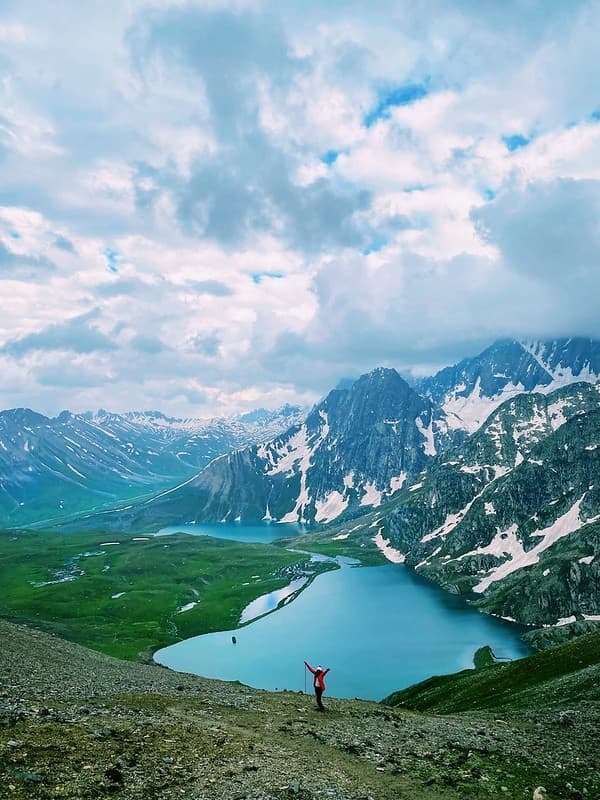
Alpine lakes: Vishansar, Krishansar, Gadsar, Satsar and nearby Gangabal
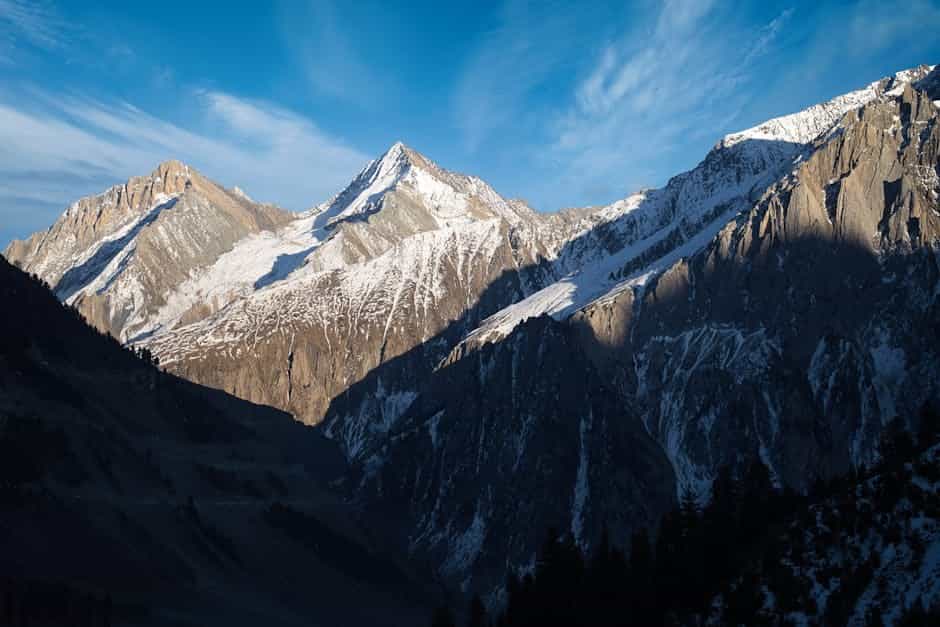
High passes (e.g., Nichnai / Nichnai Top) with panoramic Himalayan views
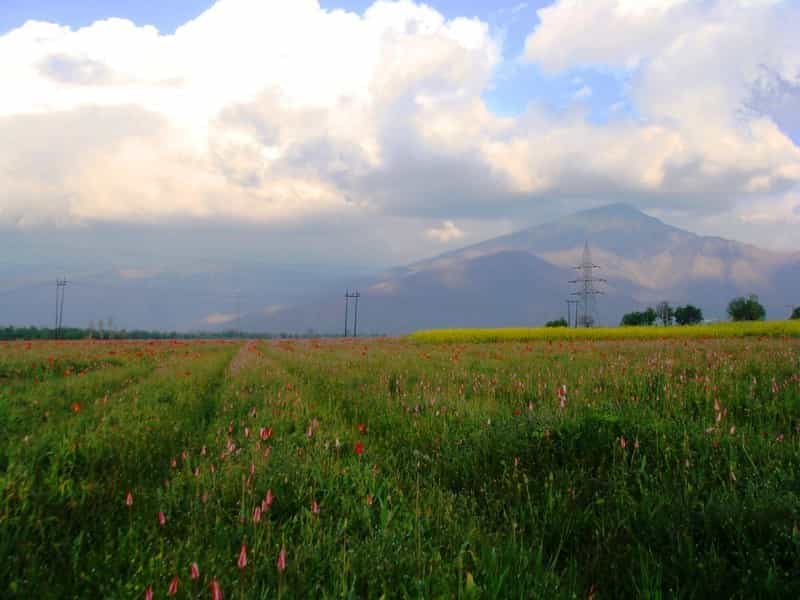
Wildflower meadows, rolling alpine pastures and dramatic moraines
Opportunity for photography: pristine reflections, sunsets, dramatic ridgelines
Camping in remote environments and local shepherd culture (pastoral muhals)
Finish at ancient Naranag temple complex and descent into verdant valleys
Itinerary
Arrive Srinagar and transfer to Sonamarg (approx 2-3 hours by road). Final gear check, permits and short acclimatization walk (option to visit Thajiwas Glacier).
Overnight in Sonamarg (guesthouse) or camp near trailhead. Get early rest; last vehicle access point.
Sonamarg to Nichnai meadows (or Shaukdari) — 8–12 km, gradual ascent
Start trekking from Sonamarg, gentle climb into alpine meadows. Camp near Nichnai / Shaukdari. Altitude ~3,300–3,600 m (depending on camp).
Nichnai to Vishansar Lake via Nichnai Top — 10–14 km, steep ascent then descent
Cross Nichnai pass (~4,000–4,100 m) with excellent views; descend to Vishansar Lake. Camping by lake; strong photography opportunity.
Vishansar to Krishansar and on to Gadsar region — 8–12 km
Visit Krishansar (nearby) then continue towards Gadsar with rolling ridgelines and lake views. Camp near Gadsar. Expect rocky sections and short scree descents.
Gadsar / Satsar lakes day — 6–10 km (explore chain of lakes and meadows)
A day to explore the multi-lake Satsar group and high meadows. Good for acclimatisation and wildlife sightings (marmots, birds).
Satsar to Trenz (or descent towards Naranag route) — 8–12 km
Begin descent through alpine pastures and mixed terrain; trail may become rocky and narrow in places. Camp lower in the valley or at a designated meadow.
Final long descent to Naranag — 12–16 km (trail through forests and streams)
A long day of descending into forested valley; reach Naranag village and the ancient temple ruins. Overnight guesthouse in Naranag or nearby.
Transfer back to Srinagar or buffer day for weather / acclimatisation
Drive back to Srinagar (approx 2–3 hours). Buffer day allows for contingencies or rest. End of trek.
Safety Requirements
Trek with a licensed local guide or reputable operator; solo trekking is not recommended.
Good fitness and previous trekking experience at moderate altitude recommended.
Acclimatisation: monitor for acute mountain sickness (AMS); ascend gradually and carry a pulse oximeter if possible.
Carry basic first-aid, altitude medication (consult a doctor before travel), and emergency contact details.
Weather can change quickly — snow possible early and late season. Be prepared for cold, wet conditions.
River crossings and loose scree: trekking poles and good boots are essential.
Permits: obtain local permits as required (operator usually arranges). Carry ID (passport for foreign nationals).
Insurance: ensure travel/trekking insurance covers high-altitude rescue and helicopter evacuation if needed.
Tips
Pack in layers: thermal base, insulating mid-layer, waterproof outer shell. Temperatures can drop sharply at night.
Sleeping bag rated to -10°C (or lower) and an insulated sleeping mat recommended.
Bring water purification tablets or filter; potable water is limited — boil or treat water from streams/lakes.
Use sunscreen, sunglasses and a hat — strong UV at altitude.
Trekking poles reduce knee strain on long descents and help on scree sections.
Carry adequate cash; ATM/mobile connectivity is limited in mountain stretches.
Respect local rules and fragile ecosystems — practice Leave No Trace (pack out all waste).
Book permits and transport in advance for peak season (July–August).
If you expect snow early or late season, confirm operator has experience with snow travel and can provide crampons/ice-axe if required.
Allow a buffer day for weather delays; don’t push on if conditions are unsafe.