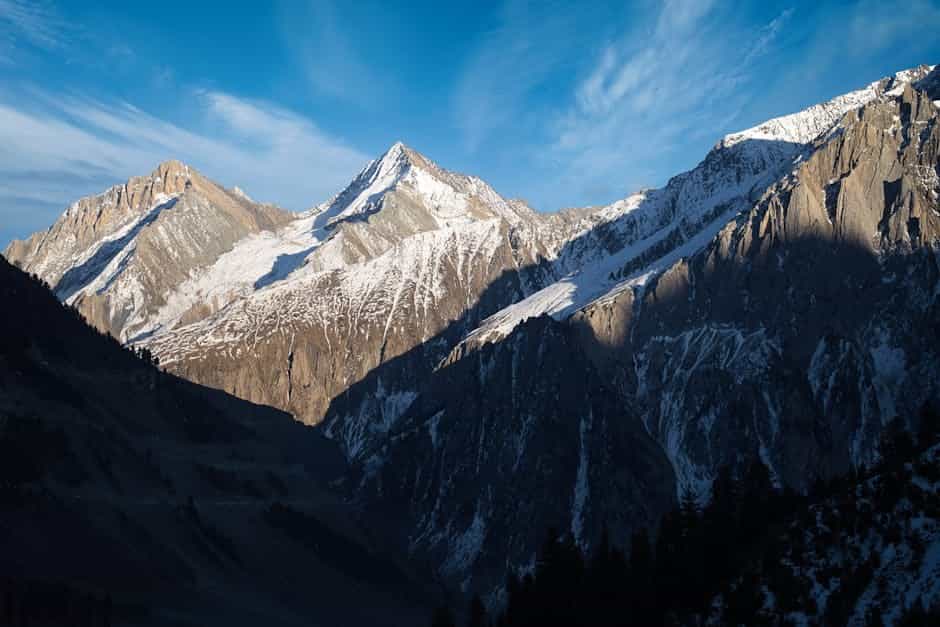
Old Srinagar City heritage walk
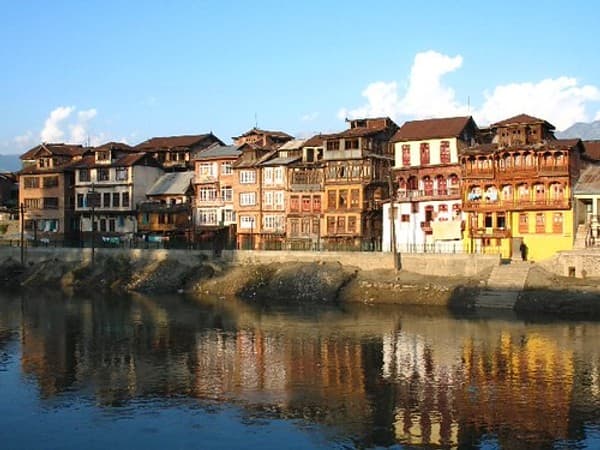
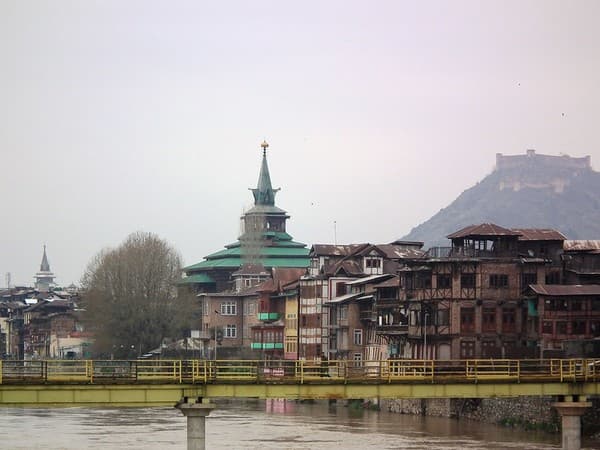
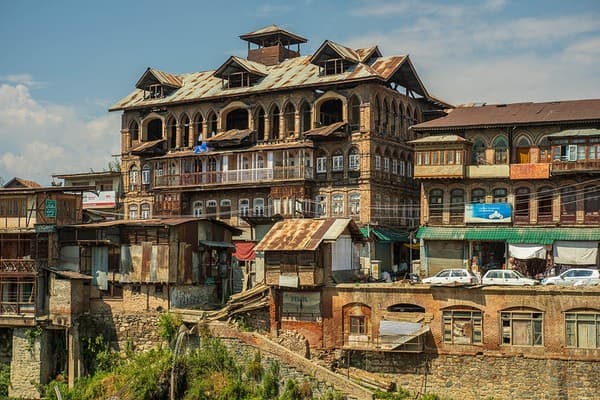
A guided walking tour through Downtown Srinagar (Old Srinagar City) exploring centuries-old Islamic architecture, narrow bazaars, wooden carved houses, historic mosques, shrines, and living crafts traditions. The walk highlights the social and cultural life of Srinagar’s old quarter, with stops at Jamia Masjid, Khanqah-e-Moula, wooden residential façades, artisan workshops (papier-mâché, pashmina/shawl weaving), traditional food stalls, and riverfront views along the Jhelum.
Location
Downtown Srinagar (Old Srinagar City) — Nowhatta, Khanqah, Zaina Kadal area, Srinagar, India
Duration
2–3 hours (typical). Half-day options (3–4 hours) available with extended visits to workshops and tea stops.
Best Time to Visit
April to October (spring, summer, early autumn). Early morning (8:00–10:30) or late afternoon (16:00–18:30) to avoid midday heat and to see markets lively. Winters (Dec–Feb) are cold and streets may be quieter; monsoon brings occasional showers.
Pricing
Typical group guided walk: INR 400–1,000 per person. Private guided walk: INR 2,000–4,500 (depending on guide and inclusions). Self-guided: free (maps or audio guides extra). Local vendor purchases and refreshments extra. Prices may vary by season and operator.
Activity Type
Coordinates
Highlights
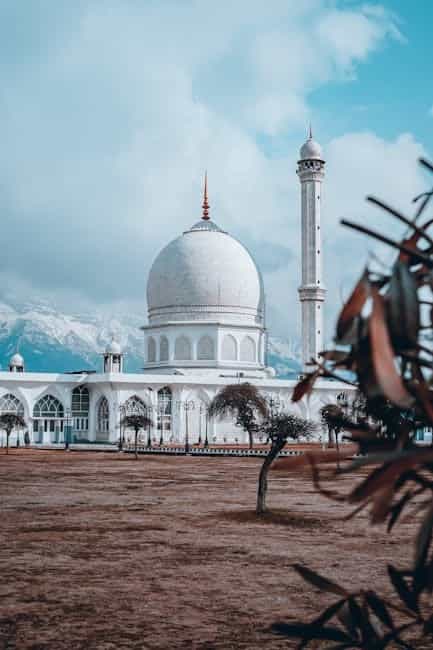
Jamia Masjid (Nowhatta) — large 14th-century congregational mosque with wooden pillars and open courtyard
Khanqah-e-Moula (Chatti Padshahi) and Khanqah wooden carvings
Narrow alleys with traditional carved wooden façades and balcony work (typical Kashmiri residential architecture)
Local bazaars selling pashmina shawls, papier-mâché, dry fruits, spices and street food
Traditional artisan workshops (papier-mâché, walnut wood carving, shawl weaving) with opportunities to meet craftsmen
Riverside views along the Jhelum, historic bridges such as Zaina Kadal
Street food and local tea (Kashmiri kahwa) and bakeries serving local snacks
Living heritage — everyday life, religious processions, and seasonal activities depending on the lunar calendar
Itinerary
Meet at the agreed downtown point (suggested: near Jamia Masjid/Nowhatta) and safety briefing
Guide introductions, route outline, brief history of Old Srinagar, confirm mobile contact and emergency plan.
Walk through narrow lanes to Jamia Masjid and Khanqah-e-Moula; architectural orientation
Respect mosque etiquette: remove shoes, dress modestly, and avoid peak prayer times if not attending. Photography of interiors may be restricted.
Explore artisan workshops and bazaars
Visit papier-mâché and shawl workshops; observe crafting techniques. Small purchases welcome — cash often preferred.
Riverside stroll along the Jhelum and stop at Zaina Kadal for views
Short history of Srinagar’s riverfront and role in trade and daily life. Opportunity for photos of carved wooden façades.
Taste local snacks and Kashmiri kahwa; Q&A and walk conclusion
Optional visits to a local home or tea stall (by arrangement). Guide provides recommendations for deeper exploration or connecting to houseboat/charbagh visits.
Safety Requirements
Carry government ID (required for some local checkpoints and recommended for guide/operator bookings)
Wear modest clothing that covers shoulders and knees (recommended) and remove shoes when entering religious sites
Comfortable closed shoes for uneven cobblestones and narrow lanes
Be mindful of pickpockets in crowded bazaars; keep valuables secure
Avoid photography inside some religious or private spaces; always ask permission before photographing people
Check local security advisories and curfew notices — plan walks on days without restrictions
If you have mobility limitations, notify the operator in advance — many lanes are narrow/stepped and not wheelchair-friendly
Tips
Book a knowledgeable local guide — they add historical context, translate, and help with bargaining
Carry small denomination cash (INR) — many stalls don’t accept cards
Go early to see markets at their liveliest and to avoid midday congestion
Ask before photographing artisans or worshippers; a small tip is appreciated if photos are taken during workshops
Try local kahwa and street snacks (girda, kulcha, bakeries in Nowhatta) but avoid uncooked street food if you have a sensitive stomach
Layer clothing — mornings/evenings can be cool even in summer
If you want to extend the experience, combine the walk with a short shikara ride on Dal Lake or a visit to a heritage house or museum