Relish a traditional Wazwan feast
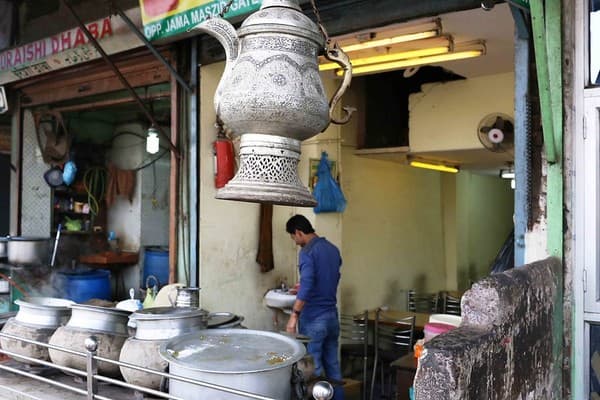
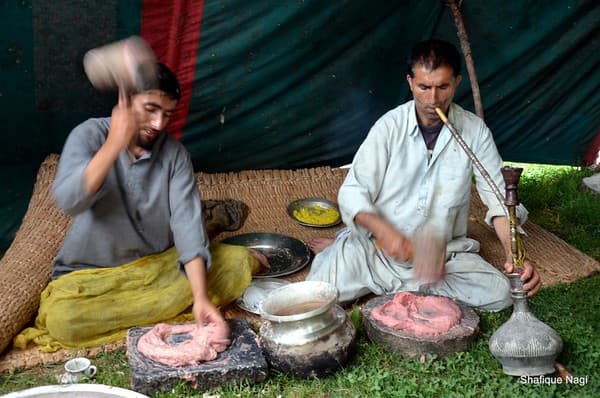
Experience a culinary and cultural institution of Kashmir — the Wazwan, a ceremonial multi-course meal prepared by expert chefs (Wazas). Typically centered on rich mutton preparations and aromatic spices, a Wazwan is as much about community and ritual as it is about food. Guests sit together, often on the floor, and share dishes served course-by-course. This experience includes an introduction to the history of Wazwan, guided tasting of signature dishes, and insight into Kashmiri dining customs.
Location
Traditional Wazwan house or specialty restaurant (e.g., heritage kwan, banquet hall, or hotel Wazwan room), Srinagar, India
Duration
2–3 hours (can extend to 3.5–4 hours for private gatherings and longer cultural programs)
Best Time to Visit
Year-round, but March–May (spring) and September–November (autumn) are most pleasant for travel in Srinagar. Wazwans are common year-round and especially frequent during wedding season and festivals.
Pricing
Typical price per person: INR 800–2,500 (~USD 10–35) at reputable local restaurants. Private or premium Wazwan (in a heritage house or for special groups): INR 2,500–6,000 (~USD 35–80) per person. Prices vary by venue, number of courses, and whether transportation or cultural performance is included.
Activity Type
Coordinates
Highlights
Gushtaba — soft meatballs cooked in a creamy yogurt-based gravy
Rogan Josh — signature Kashmiri red-mutton curry, aromatic and rich
Rista — spiced mutton meatballs in a thick red gravy
Tabak Maaz — deep-fried lamb ribs, crispy and flavorful
Yakhni — mild yogurt-based mutton curry with subtle spices
Communal dining tradition — guests sit together on the floor, served sequential courses
Prepared by a Waz (master chef) — watch or learn about time-tested cooking techniques
Accompaniments — steamed rice, Kashmiri breads, haakh (Kashmiri greens), and Kahwa (saffron-cardamom tea)
Itinerary
Arrival & welcome
Greeted with Kahwa (Kashmiri green/ saffron tea) and a short introduction to Wazwan customs and the Waz (chef).
Kitchen demonstration / talk
Brief overview of the ingredients, spice blends (e.g., zor), and how the Waz coordinates multiple dishes simultaneously. Optional quick visit to the preparation area if hosted in a heritage setting.
Multi-course tasting
Sequential serving of 8–20+ courses depending on venue: starters, meat specialties (Gushtaba, Rista, Rogan Josh), ribs, sides, and condiments. Shared plates and communal seating.
Dessert & post-meal tea
Kashmiri desserts (like zarda or shufta) and more Kahwa. Time for Q&A about recipes and customs.
Farewell & local tips
Opportunity to purchase local spices or recipes, and receive recommendations for other Kashmiri culinary experiences.
Safety Requirements
Contains predominantly mutton/lamb and dairy — not suitable for vegetarians, vegans, or those with beef/pork/halal restrictions unless explicitly arranged.
Inform hosts of allergies (nuts, dairy, gluten) in advance — many gravies use yogurt and nuts.
High-calorie and rich foods — consume in moderation if you have heart disease, high cholesterol, or related conditions.
Check hygiene standards of the venue; prefer trusted restaurants or heritage kitchens recommended by hotels or guides.
Pregnant travelers should consult a doctor if concerned about rich or unfamiliar foods.
Tips
Book in advance, especially during wedding season and festivals — Wazwan is a popular group event.
Dress modestly and be prepared to sit on the floor or low seating; some venues provide chairs on request.
Respect serving order and communal etiquette — the host or sanad (server) often directs portions.
Try a small portion of each dish; flavours can be intense and different from other Indian cuisines.
Carry cash for small purchases or tips; ask beforehand if service/gratuity is included.
Ask for a halal or vegetarian adaptation if needed — many specialist Wazwans can accommodate with prior notice.
Photograph respectfully — check with the host before taking pictures of ceremonial moments or kitchen staff.
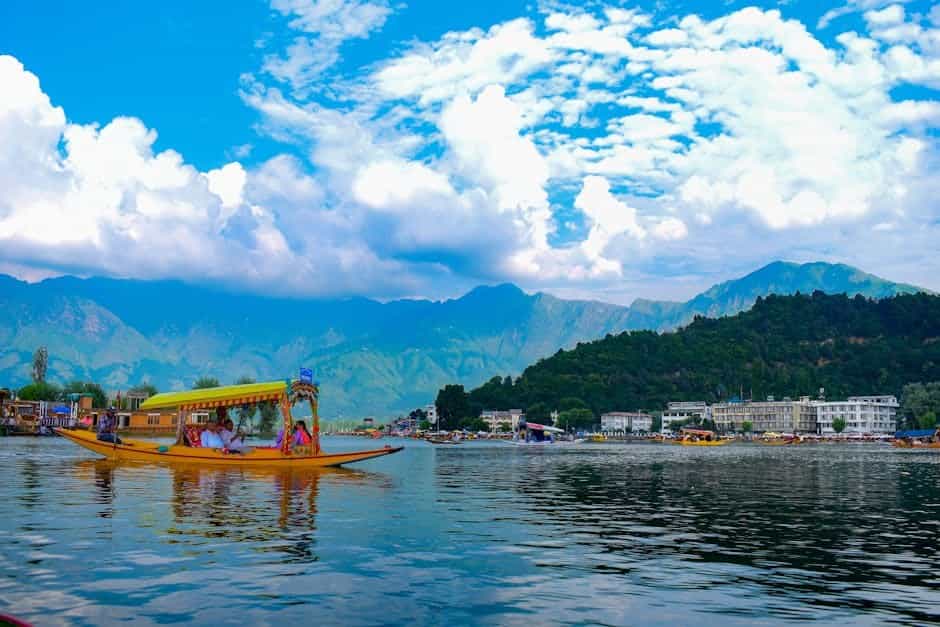
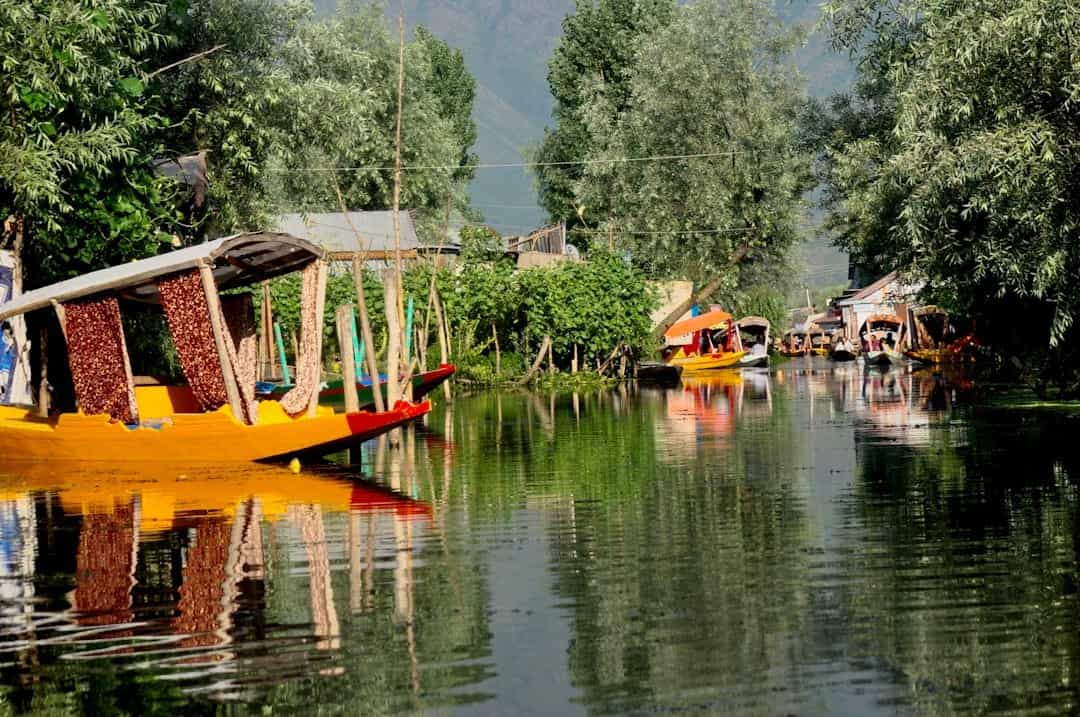
Combine with a short cultural program (folk music or a shikara ride on Dal Lake) for a fuller Srinagar experience.