Shop for Pashmina, carpets, papier-mâché
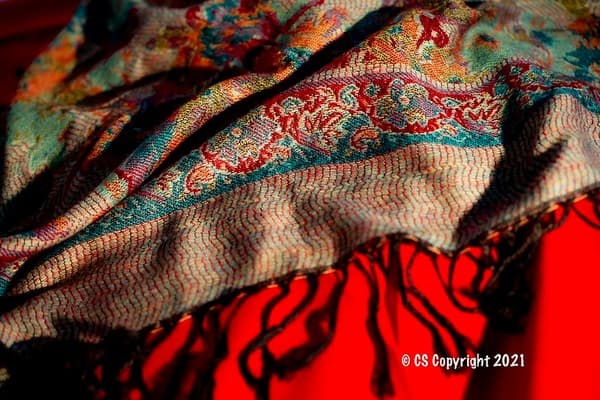
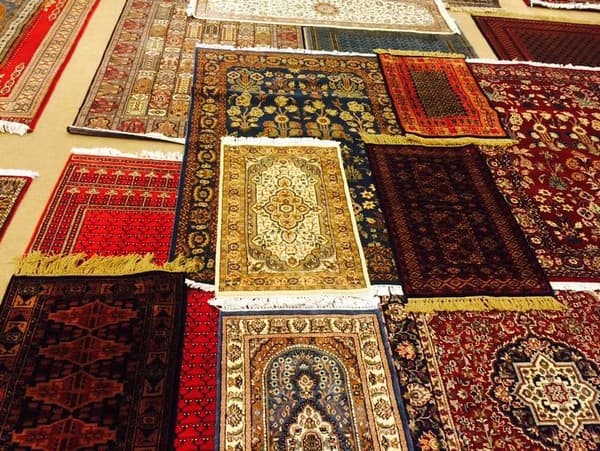
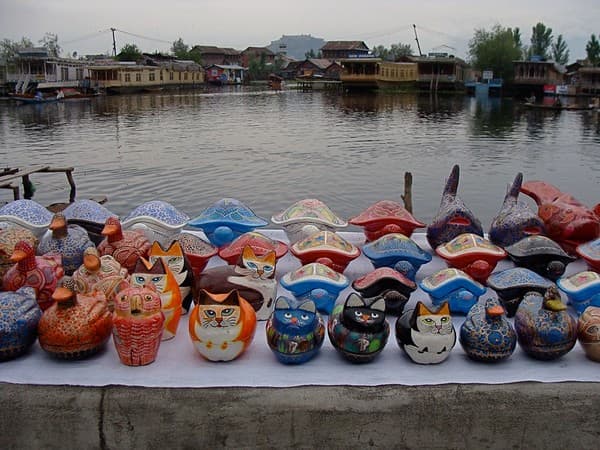
Shop for authentic Kashmiri pashmina shawls, hand-knotted carpets and colourful papier-mâché ware in two of Srinagar’s best-known shopping areas — Polo View Market and Lal Chowk. These adjoining market zones combine long-established family workshops, small street stalls and a few government and cooperative emporia where you can see artisans at work and buy directly from makers or experienced traders. Expect a sensory experience of soft fibres, intricate motifs and vivid painted finish-work.
Location
Polo View Market & Lal Chowk (central Srinagar markets), Srinagar, India
Duration
2–4 hours (typical half-day); extend to a full day if visiting multiple workshops and arranging custom orders or carpet viewing at dealers.
Best Time to Visit
April to October for pleasant weather and full market activity. Winters (November–February) are quieter and some stalls close; bargaining can be stronger then but availability is reduced. Avoid peak holiday congestion (Eid, Diwali holiday rush) if you prefer a calmer experience.
Pricing
Prices vary widely depending on quality, authenticity and bargaining. Typical price ranges:
- Pashmina shawls (genuine hand-spun, hand-woven): INR 8,000–150,000+ (USD ~100–1,800+) depending on weave, size and embroidery.
- Machine-made or blended shawls: INR 1,000–6,000 (USD ~12–75).
- Small hand-knotted rugs (prayer rugs, doormats): INR 3,000–20,000 (USD ~35–240).
- Large hand-knotted carpets (room-size, fine knot count): INR 30,000–500,000+ (USD ~360–6,000+).
- Papier-mâché items (boxes, bowls, lamps, trinkets): INR 150–8,000 (USD ~2–95). Notes: Government emporia and certified cooperative outlets are pricier but offer authenticity certificates and standardized packing. Expect to bargain at independent shops and street stalls. Many shops provide international shipping and packing for an extra fee.
Activity Type
Coordinates
Highlights
Authentic hand-spun & hand-woven pashmina shawls and embroidered pherans.
High-quality hand-knotted Kashmiri carpets with traditional motifs (paisley, chinar, floral medallions).
Colourful papier-mâché — bowls, lacquered boxes, trays, decorative panels and lamps painted with traditional designs.
Chance to watch artisans at work in small workshops and see finishing techniques.
Government/cooperative emporia offering certified goods and tax invoices for export.
Local tearooms and food stalls for short breaks and to sample Kashmiri snacks and kahwa.
Itinerary
Arrive, orient yourself in Polo View Market; identify government emporia and a couple of well-reviewed independent shops.
Start at official emporia for baseline prices and authenticity checks; use them as a quality reference for bargaining elsewhere.
Pashmina shopping — examine shawls and stoles.
Check weave tightness, hand-feel, pashmina certificate when available, and look for natural colours or high-quality vegetable dyes. Ask about origin (wild Changthangi vs farmed) and weaving method (hand-spun, hand-woven). Do not rely on burn tests in public.
Carpet browsing — view small samples and ask to see larger room-size pieces if interested.
Inspect knot density (knots per square inch), back of the rug for uniformity, fringe finishing and material (pure wool, silk, wool-silk blends). Request photos and shipping quotes for large purchases.
Lunch or tea break at a nearby café; check papier-mâché stalls.
Papier-mâché stalls are often clustered together; inspect lacquer, brushwork and the steadiness of painted lines — look for consistent finish and clean edges.
Negotiate prices, request packaging, ask about export paperwork or courier services.
Get written invoices, authenticity certificates where available, and confirm delivery timelines if shipping abroad.
Safety Requirements
Carry reasonable cash; many small vendors are cash-preferred though most accept cards in larger shops — confirm before buying.
Keep valuables secure; markets can be crowded.
Ask for certificates for high-value purchases and insist on a proper receipt or invoice.
Be aware of aggressive sellers; politeness and walking away are common negotiation tactics.
Check current local advisories (political/security) before travel; market crowds can be impacted by local events.
Tips
Start at a government or certified cooperative emporium to learn realistic prices and spot fakes — use this as a reference for bargaining elsewhere.
How to check pashmina quickly: feel for a soft, warm, smooth hand and light weight; very cheap-supple items are likely blends. Ask for an authenticity certificate for expensive pieces.
For carpets: examine the back for clear knotting, uneven edges and natural fibre sheen. Higher knot density and fine detail typically mean higher price.
Bargain politely: start at about 40–60% of the asking price (depending on the shop) and meet halfway; small shops expect it.
Request gift/tourist packing — many shops provide vacuum or roll packing suitable for luggage and offer shipping options.
Ask about customs documentation if shipping abroad; large-value purchases often require export invoices.
Learn a few local phrases (hello, thank you) and be respectful of local customs — sellers often respond well to polite, patient shoppers.
If in doubt about authenticity, visit multiple shops and compare; buy expensive pieces from reputable dealers or emporia.
Photography inside small workshops: always ask permission before taking pictures of artisans at work.
Wear comfortable shoes — narrow alleys and shop-to-shop walking is common.