Tarsar–Marsar Lakes Trek (4–6 days)
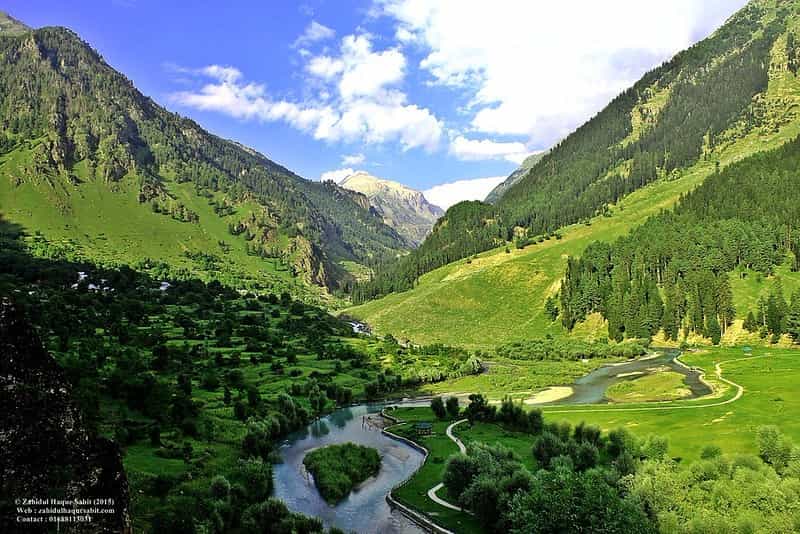
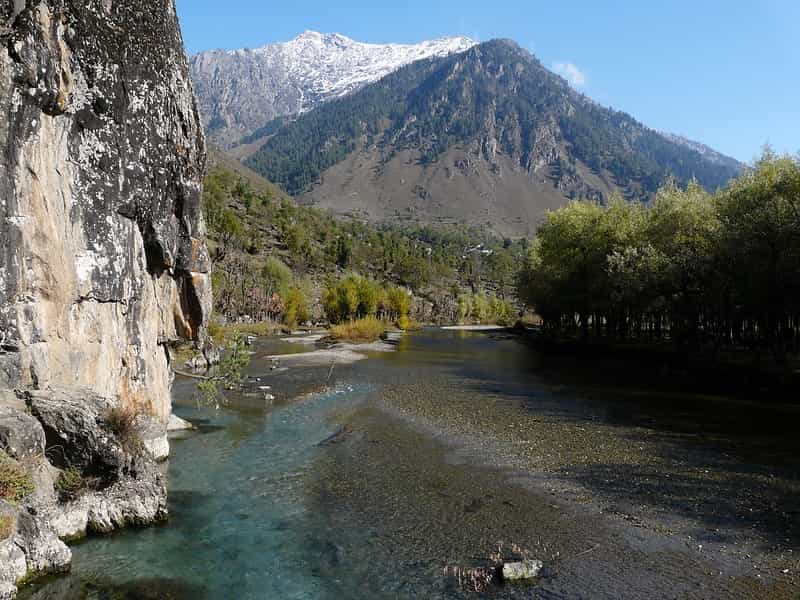
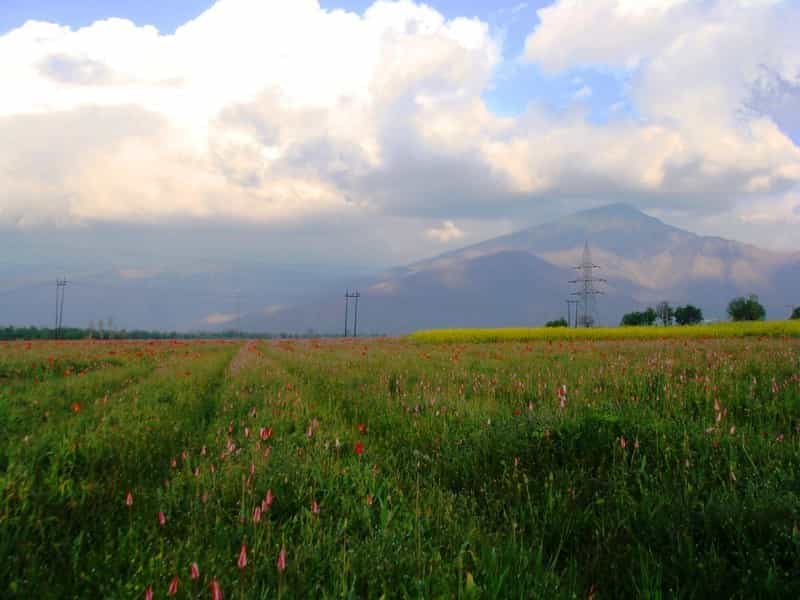
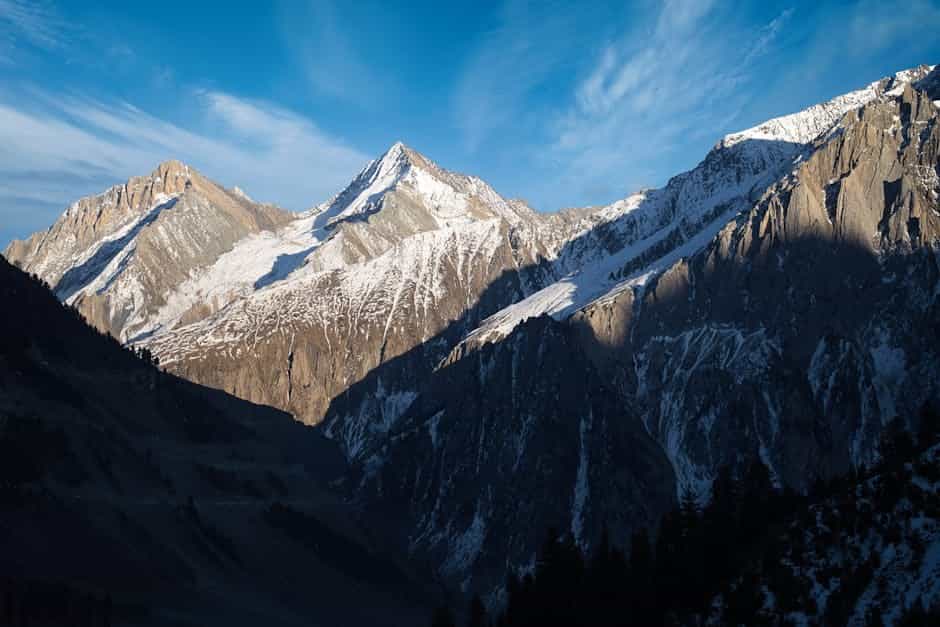
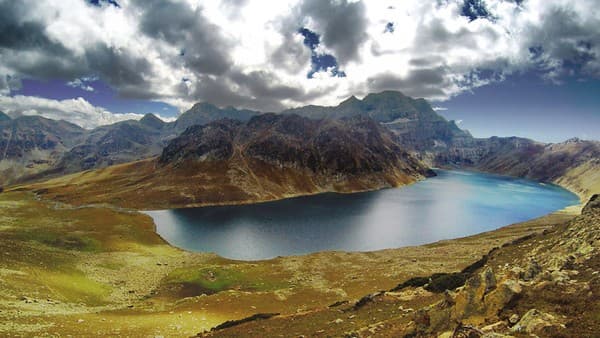
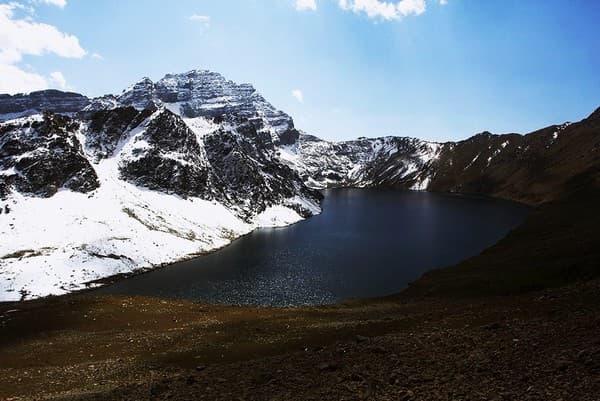
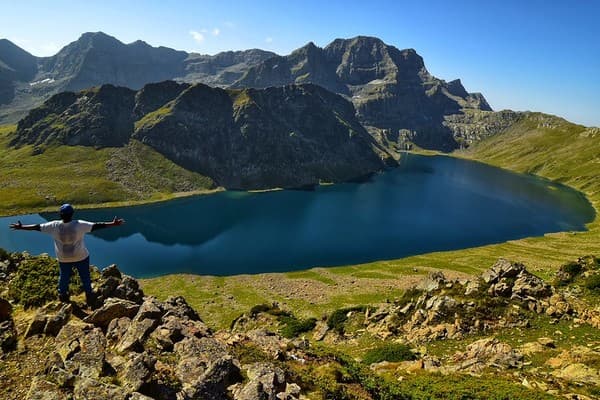
Tarsar–Marsar Lakes Trek is a classic high‑altitude alpine trek in the Kashmir Himalaya starting from Aru Valley near Pahalgam. The route visits two spectacular alpine twin lakes — Tarsar and Marsar — crossing lush meadows, streams, moraines and panoramic ridgelines. The trek offers dramatic reflections, wildflower carpets in summer and encounters with local shepherds and nomadic camps.
Location
Aru Valley (start), Lidderwat, Tarsar Lake, Marsar Lake, Pahalgam, India
Duration
4–6 days (typical options: 4-day fast trek, 5-day standard, 6-day relaxed with acclimatization and side exploration)
Best Time to Visit
June to September (best July–September for stable weather and full bloom wildflowers; avoid winter due to heavy snow and avalanche risk)
Pricing
Approx. USD 120–450 (INR 10,000–35,000) per person depending on group size, season, inclusions and level of comfort. Budget packages usually include guide, basic camping, cook; mid-range includes better camping equipment, porter/pony support and transfers; higher-end packages include private transport, experienced guide, premium camping and equipment.
Activity Type
Coordinates
Highlights
High‑altitude alpine lakes with mirror reflections and clear water
Extensive flower‑studded meadows (bugyals) and summer pastures
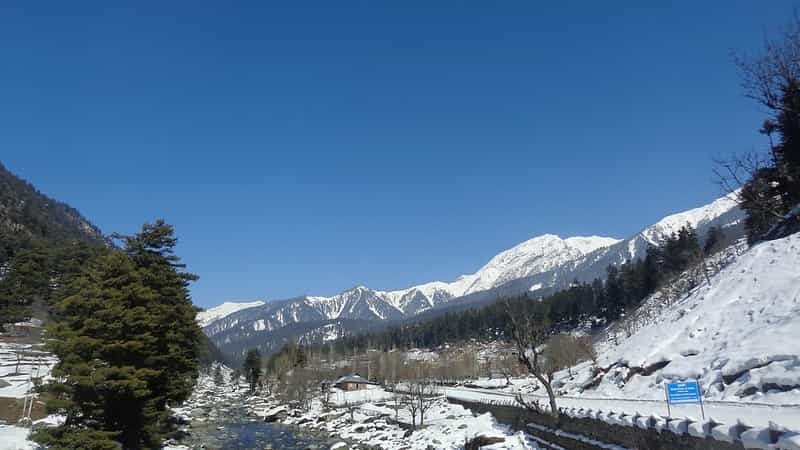
Panoramic views of the Kashmir Himalayan ridges and Lidder Valley
Pristine wilderness — limited crowds off the main valley trails
Cultural contact with shepherds (gujjars), shepherd huts and local lifestyle
Excellent photography opportunities at sunrise/sunset over the lakes
Itinerary
Arrive in Pahalgam (or Srinagar) and transfer to Aru Valley; gear check and briefing with the guide.
Stay overnight in Aru. Acclimatize and confirm permits/porter arrangements.
Aru → Lidderwat (trek start) → Camp at Lidderwat
Moderate 4–6 hr trek through meadows and forests along the Lidder River. Scenic campsite at Lidderwat (alt. ~3,150–3,300 m).
Lidderwat → Tarsar Lake → Camp at Tarsar
Longer day (5–7 hr) gaining alpine terrain. Cross grassy slopes and moraines to reach Tarsar Lake (alt. ~3,700–3,800 m). Spectacular sunset reflections.
Tarsar → Marsar (day walk) → Return to Tarsar or camp near Marsar
Traverse the ridge connecting the twin lakes for panoramic views. Option to camp near Marsar or return to Tarsar depending on itinerary and weather.
Tarsar/Marsar → Back via Lidderwat → Camp/overnight in Aru or Pahalgam
Descend through the same alpine meadows. Total trekking time 5–8 hr depending on pace and route. Transfer to Pahalgam in the evening.
Extended/relaxed option: add an extra day for acclimatisation, explore side valleys, or do a longer circuit.
Use extra day(s) to move at a relaxed pace, photograph early morning lakes, or visit local shepherd settlements.
Safety Requirements
Acclimatize properly; the trek reaches elevations around 3,700–3,900 m — watch for AMS symptoms
Hire an experienced local guide and porters/ponies for safety and navigation
Carry layered clothing, waterproofs, good trekking boots, sleeping bag rated for near‑freezing nights
Be prepared for rapidly changing mountain weather: cold nights, strong sun and occasional rain/snow
Permit/entry checks: coordinate with local authorities or licensed operators and carry ID
First‑aid kit, personal medications and basic altitude sickness medicine (consult a doctor before travel)
Avoid trekking during heavy monsoon/late‑autumn snow periods due to increased risk of avalanches and closed passes
Tips
Pack light but smart: daypack with water, snacks, sun protection, warm layers and rain shell
Carry a good sleeping bag (comfort around 0°C to -5°C recommended) and an insulating sleeping mat
Bring high‑energy snacks, electrolyte salts and a water purification method (filter/tablets)
Hire local guides/porters to support the local economy and for quicker, safer navigation
Respect local culture and the environment — practice 'Leave No Trace' (carry out all non‑biodegradable waste)
Start early each day to avoid afternoon weather changes and to get the best photographic light
Ensure travel insurance covers high‑altitude trekking and emergency evacuation
Mobile coverage is patchy — carry a powerbank and inform someone of your itinerary and check‑in times
Book between July and August for maximum wildflower displays; late September may have early snow but fewer crowds
If short on time, opt for a 4‑day fast itinerary; if you prefer photography and relaxed pace, choose 5–6 days