Visit saffron fields and buy saffron
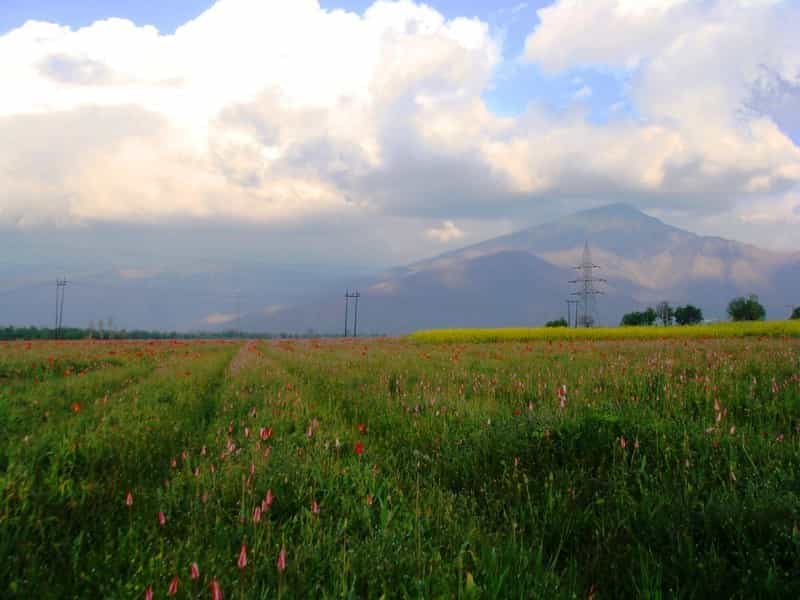
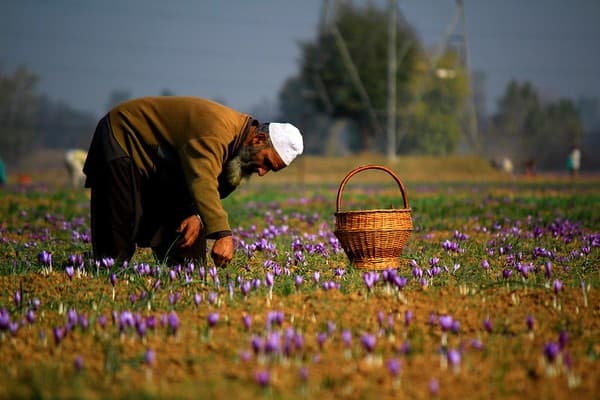
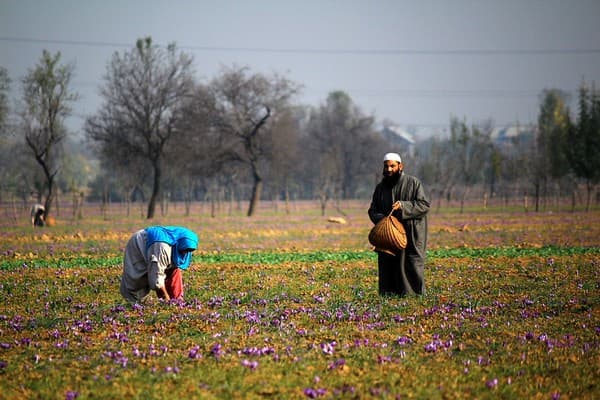
Pampore, often called the 'Saffron Town' of Kashmir, is famous for its autumnal carpets of purple crocus flowers (Crocus sativus) and the hand-harvested crimson stigmas that become premium Kashmiri saffron. This activity lets you walk through the fields during harvest season, watch demonstration of picking and processing, meet local growers and buy authentic saffron directly from cooperatives and trusted vendors.
Location
Pampore saffron fields and local cooperatives, Pampore (Pulwama district), near Srinagar, India
Duration
Half-day (3–4 hours) typical; full-day options available (6–8 hours) including workshops and local meals.
Best Time to Visit
Mid-October to mid-November — the saffron flowering and harvest season. For green-field views and off-season visits, spring/summer offer pleasant weather but no harvest.
Pricing
Guided visit: INR 300–1,200 per person (half-day guide/entry; depends on group size and guide).
Saffron (local retail): Typical Kashmiri saffron ranges from INR 200–600 per gram for good local quality; premium graded threads (Lacha/Mehr) can be INR 800–1,800+ per gram.
Packages: Half-day (3–4 hrs) usually INR 300–1,200; full-day with workshop/lunch INR 1,200–2,500.
Activity Type
Coordinates
Highlights
Walking through purple crocus fields during harvest season
Hands-on demonstration of delicate hand-picking of saffron stigmas
Seeing drying/curing and grading methods used by local growers
Buying authentic Kashmiri saffron directly from producers or cooperatives
Learning about saffron uses in Kashmiri cuisine and traditional remedies
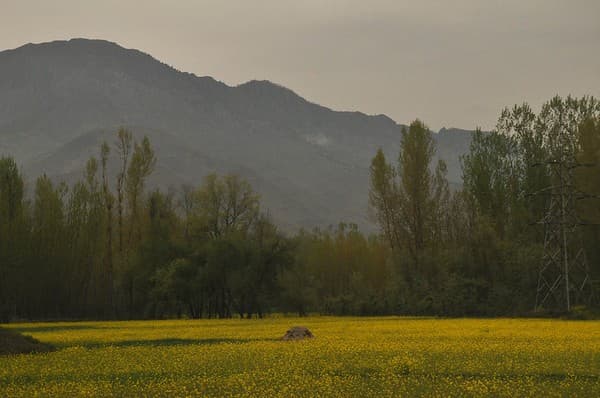
Scenic rural landscapes and photography opportunities
Itinerary
Depart Srinagar (or nearby base) for Pampore
Short drive (30–60 minutes depending on start point). Morning light is excellent for photos.
Arrive and meet local guide / cooperative representative
Brief introduction to saffron history in Pampore and safety/etiquette around fields.
Guided walk through saffron fields
Observe and (where permitted) try hand-picking of crocus flowers and see stigmas being separated.
Processing & drying demonstration
Learn grading terms (e.g., Lacha/Mehr), drying/curing methods, and become aware of authenticity markers.
Visit local cooperative/shop to buy saffron
Buy small quantities (1–5 g) for sampling; request weight certificate or lab test if available. Compare prices and grades.
Optional: short walk through village or visit a carpet/weaving workshop
Combine with cultural experiences and local lunch if full-day option chosen.
Return to Srinagar / end of tour
Drop-off at your hotel or designated point.
Safety Requirements
Wear comfortable shoes and avoid stepping on planted rows — keep to paths.
Carry sun protection (hat, sunscreen) and water; mornings can be chilly but sunny.
Allergies: if you have plant/pollen allergies, bring antihistamines; the harvest season has high pollen exposure.
Respect private land and farm boundaries; follow the guide's instructions.
No smoking or open flames near drying/processing areas.
Bring small change/cash; check vendors for accepted payment methods before purchase.
Tips
Buy small first: Purchase 1–5 g to check aroma, color and strength before buying larger quantities.
Authenticity checks: Look for deep red threads with little or no yellow/white; good Kashmiri saffron has a strong aroma and deep crimson color. Avoid powder mixed with other substances.
Trusted sources: Prefer local cooperatives or well-known vendors; ask for packaging, origin details, and a weight slip.
Price awareness: Bargain politely when buying from small sellers, but be aware that very low prices often mean adulteration.
Storage: Keep saffron in an airtight, dark container away from heat to preserve aroma and color.
Photography: Ask permission before photographing people working in fields.
Transport & customs: If buying for export, check quantity limits and declare high-value purchases at customs. Carry invoices/receipts for larger buys.