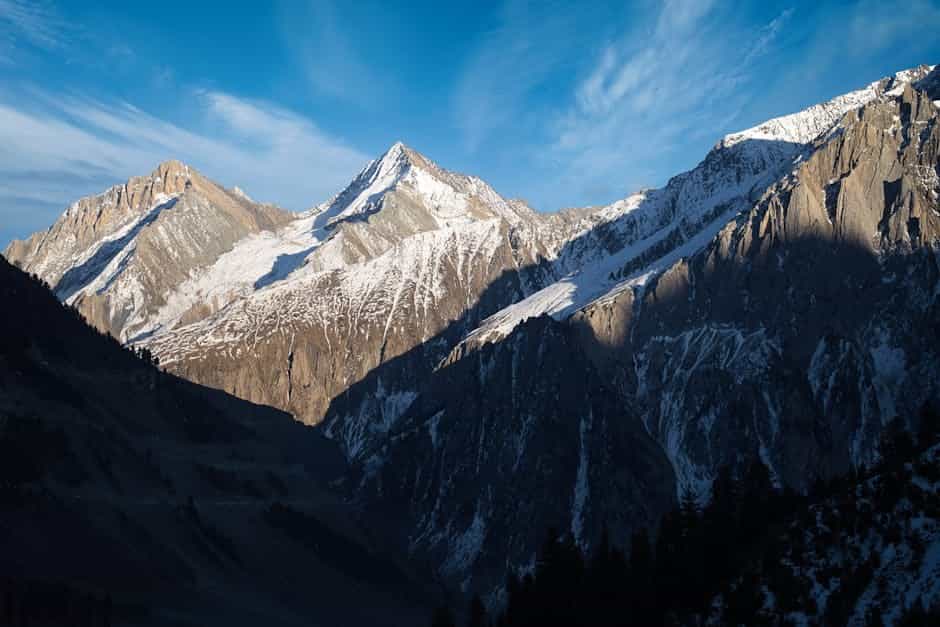
Avantipora Ruins, Kashmir
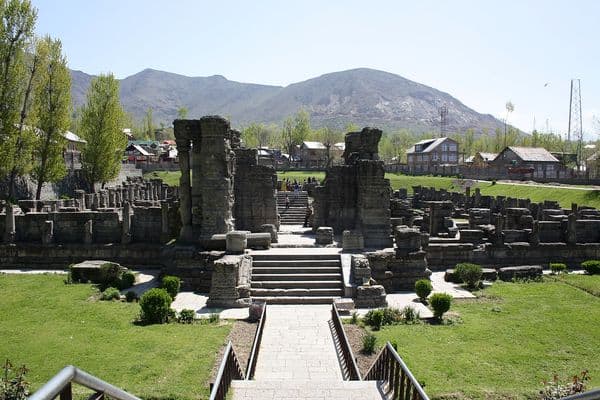
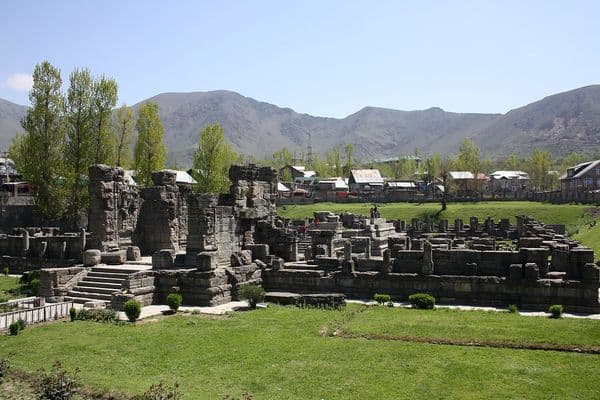
Avantipora (Awantipora) is an important 9th-century archaeological complex in Kashmir, founded by King Avantivarman of the Utpala dynasty (r. c. 855–883 CE). The ruins represent a high point of early medieval Kashmiri temple architecture and sculpture, reflecting the region's syncretic Hindu-Buddhist artistic traditions and political revival under Avantivarman. The site is a key source for understanding Kashmir's pre-Islamic religious architecture and craft traditions.
Last updated: 23 Oct 2025
Places to visit
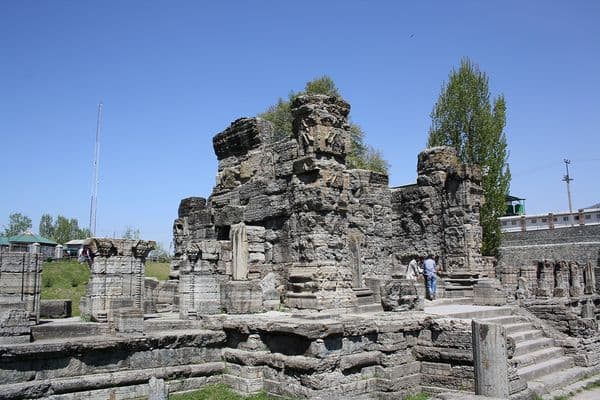
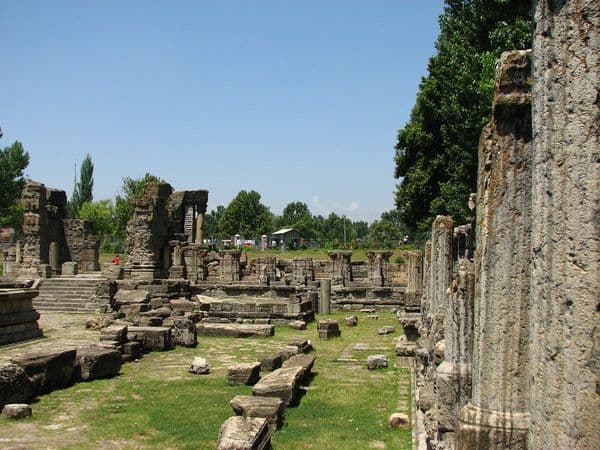
- Ruins of Avantisvamin (Vishnu) temple
- Ruins of Avantisvara (Shiva) temple
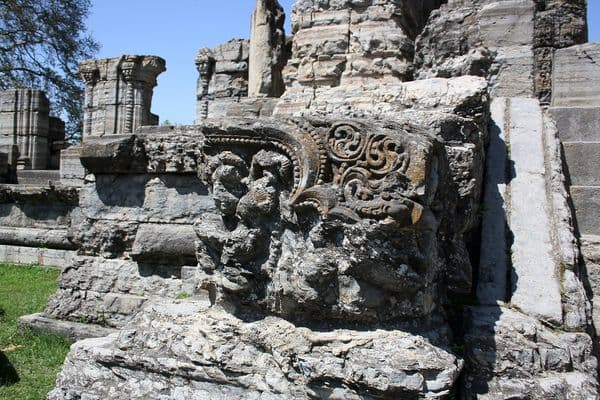
- Intricately carved pillars, lintels and friezes
- Raised temple platforms and sculpted deity panels
- Nearby Awantipora railway station and rural landscape
Unique Aspects
- Ornate stone-carved doorframes and sculptural panels with floral and figurative motifs
- Well-preserved column fragments and decorative friezes typical of 9th‑century Kashmiri temple design
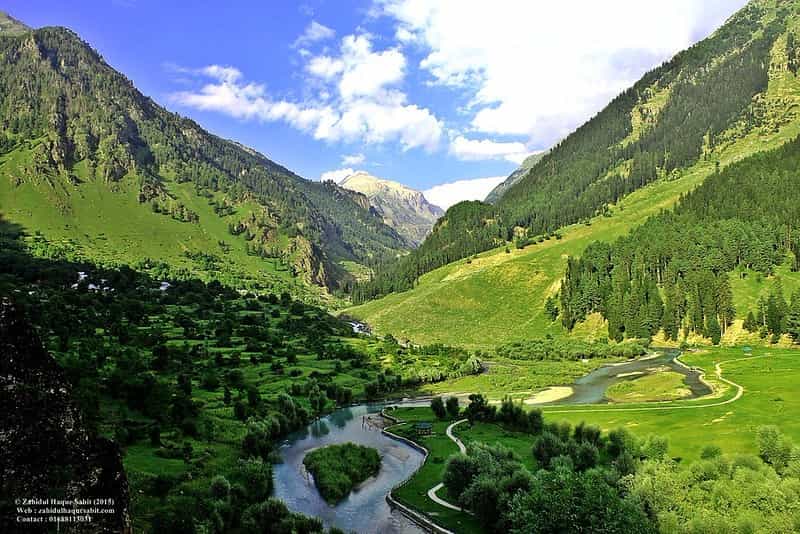
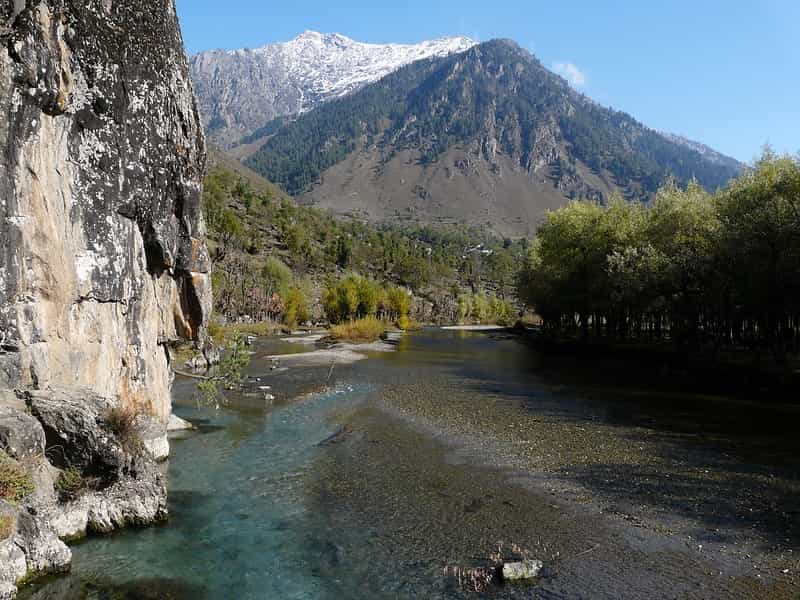
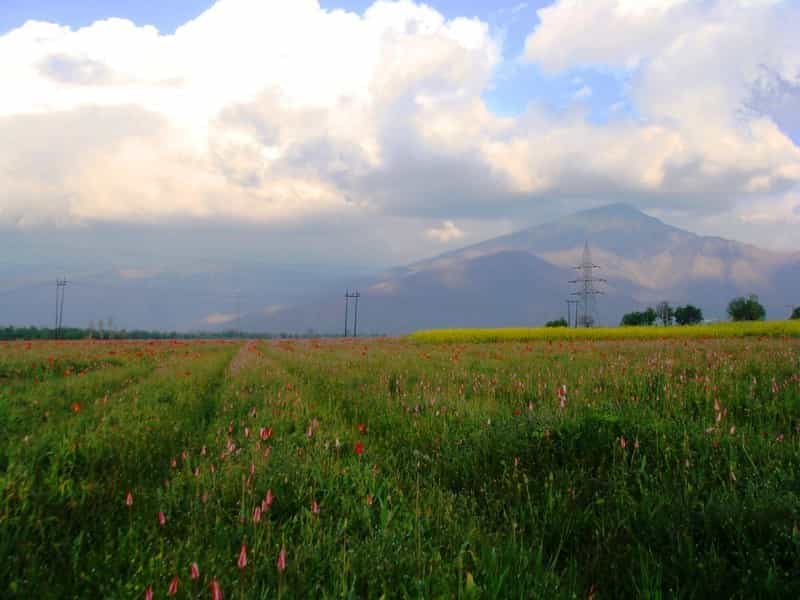
- Scenic rural setting near Pulwama with views of agricultural fields and the surrounding Himalayan foothills
- Some recovered artifacts are held in museums in Srinagar (check local museums for relocated pieces)
Things to do
- Walking and exploring the exposed temple foundations and carved stones
- Photography of architectural fragments and close-up details
- Guided heritage walks from Srinagar or local guides in Pulwama district
- Visiting nearby villages to observe local crafts and daily life
- Combining the visit with other regional sites (e.g., Martand Sun Temple ruins) for a fuller day trip
Best Time to Visit
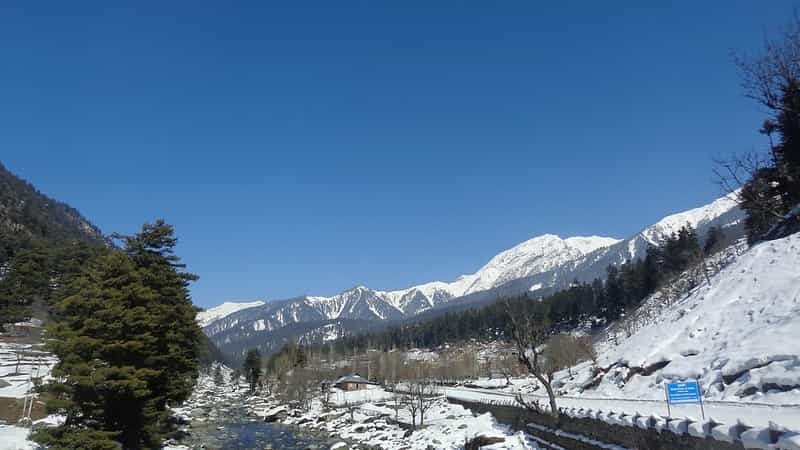
Best: April to October (spring to early autumn) — pleasant weather and clearer access. Winters (November–March) are cold with possible snow and limited accessibility.
Weather Conditions
Warm to mild summers (May–September); cool nights in spring/autumn; harsh winters with freezing temperatures and snowfall. Carry layers in shoulder seasons.
Entry Fees & Permits
There is generally no formal entry fee for the open-air site; it is accessible during daylight hours. Timings are not strictly enforced — visit during daytime for safety and visibility. Check locally or with the Archaeological Survey of India for any updated restrictions or conservation closures.
Accessibility
Nearest major hub: Srinagar (approx. 30–40 km north). Srinagar International Airport (SXR) is the nearest airport (~35–45 km depending on route). Nearest railway: Awantipora Railway Station on the Jammu–Baramulla line (a few kilometres). Road: well-connected by regional roads from Srinagar and Pulwama; taxis and local buses available. Limited on-site facilities and parking.
Recommended Duration
Plan 1–2 hours to walk the ruins, take photos and read onsite inscriptions; more time if combining with local village visits or other nearby heritage sites.
Clothing & Gear Tips
Comfortable walking shoes, sun protection (hat/sunscreen) in summer, warm layers in spring/autumn and winter, modest clothing out of respect for local customs. Bring water and basic first-aid; carry a flashlight if exploring shaded or low-light corners.
Local Food & Souvenirs
Try Kashmiri kahwa, local breads and meat dishes in Pulwama/Srinagar. Souvenirs: saffron, Pashmina shawls, walnut wood crafts, papier-mâché items and dried fruits (walnuts, apricots). Purchase from reputable shops in Srinagar or Pulwama markets.