Burzahom Archaeological Site, Kashmir
Burzahom is a major Neolithic and Chalcolithic archaeological site in the Kashmir Valley, near Srinagar. Excavations (first systematically by the Archaeological Survey of India in the 1970s) revealed long sequences of human occupation from the Mesolithic through the Neolithic and into the early historic period. The site provides key evidence for early settled life in northern India: pit-dwellings, post‑hole structures, polished stone tools, bone tools, evidence of early agriculture and animal domestication, and distinctive burial practices. Burzahom is important for understanding prehistoric lifeways, technology, and the transition to farming in the Himalayan foothills.
Last updated: 23 Oct 2025
Historic Anecdotes
There are local traditions and folklore about ancient communities living in the area before recorded history; while not specific myths tied directly to the ruins, the site is locally regarded as an ancient village and sometimes associated in oral memory with early Kashmir settlement. Archaeological finds, such as unusual burial arrangements and bone harpoons, have inspired stories about the daily lives and rituals of prehistoric inhabitants.
Places to visit
- Excavation trenches and exposed stratified layers showing Mesolithic to Neolithic sequence
- Pit-dwelling remains (circular/rectangular sunken houses)
- Bone and stone tool assemblages (harpoons, microliths, polished axes)
- Burial areas and mortuary evidence
- Artifacts on display in local museums (Srinagar Archaeological Museum / state museums)
Unique Aspects
- Sunken pit-houses: well-preserved examples of early domestic architecture
- Bone harpoons and fishing gear indicating exploitation of aquatic resources
- Early evidence of domestic animals and plant cultivation in a Himalayan valley context
- Stratified deposits that allow chronological study of prehistoric occupation
- Close proximity to Srinagar, allowing combined visits with city heritage sites
Things to do
- Guided site tours explaining the excavations, stratigraphy and finds
- Visits to nearby museums to view curated artifacts and context panels
- Photography of the landscape and the marked excavation areas (where permitted)
- Short walks around the site and nearby village to observe traditional valley life
- Combine with visits to Srinagar attractions (museums, gardens, markets)
Festivals & Events
- Occasional archaeological seminars, lectures and exhibitions organized by ASI or local universities
- Srinagar city cultural events (e.g., flower and cultural festivals) which can be paired with a day visit
- Local heritage-themed programs during national heritage week / archaeology day (check local schedules)
Best Time to Visit
Best time: Spring to early autumn (April to October) when weather is mild, days are pleasant and access is easiest. Winters (November–March) can be cold with potential snow, which may limit access.
Weather Conditions
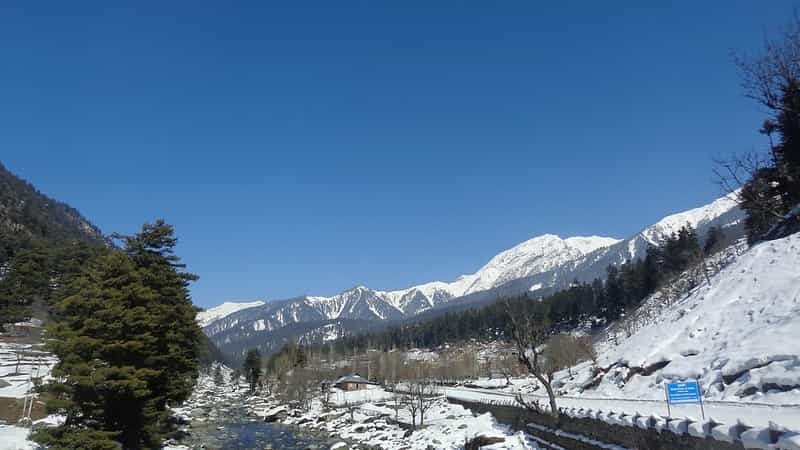
Temperate valley climate: mild summers (pleasant days, cool nights), monsoon influence (July–September) with intermittent rain, and cold winters with sporadic snow.
Entry Fees & Permits
The site is an open archaeological area often visited during daylight; formal entry fees are usually minimal or none, but details and visiting hours can vary. Visitors should check with the Archaeological Survey of India (ASI) regional office or Jammu & Kashmir tourism authorities for the current status and any permit requirements. Nearby museums have their own timings and modest ticket fees.
Accessibility
Burzahom lies on the outskirts of Srinagar (approximately 10–15 km from the city centre). Nearest major transport hubs: Srinagar International Airport (SXR) is the closest airport; Jammu Tawi is the nearest major railway station (road connection to Srinagar). Local access: taxis, rented cars, and auto-rickshaws from Srinagar; some public buses and local shared taxis serve nearby routes. Roads are generally motorable in the visiting season; check local conditions in winter or during heavy rains.
Recommended Duration
Plan for about 1–2 hours at the site to walk and read information panels; allow extra time (1–2 hours) to visit nearby museums and combine with other Srinagar attractions for a half- or full-day outing.
Clothing & Gear Tips
Comfortable walking shoes, sun protection (hat/sunscreen) in summer, light layers for cool evenings, warm jacket in spring/fall and insulated clothing in winter. Bring water, a small first-aid kit, and insect repellent in warmer months.
Local Food & Souvenirs
Enjoy Kashmiri cuisine in Srinagar—wazwan dishes, kebabs, local breads and teas. Souvenirs: Kashmiri shawls, pashmina, saffron, papier-mâché crafts, walnut wood carvings, and dried fruits (walnuts, almonds, raisins).