Dachigam National Park, Kashmir
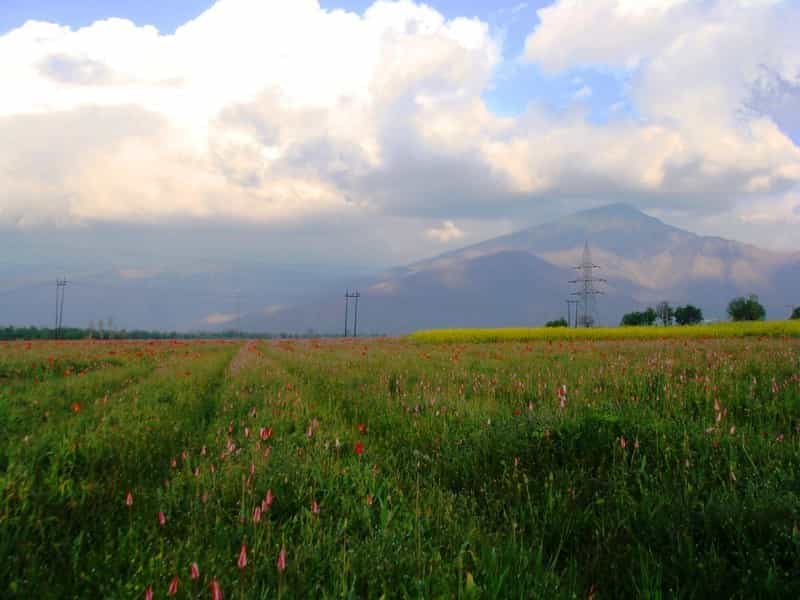
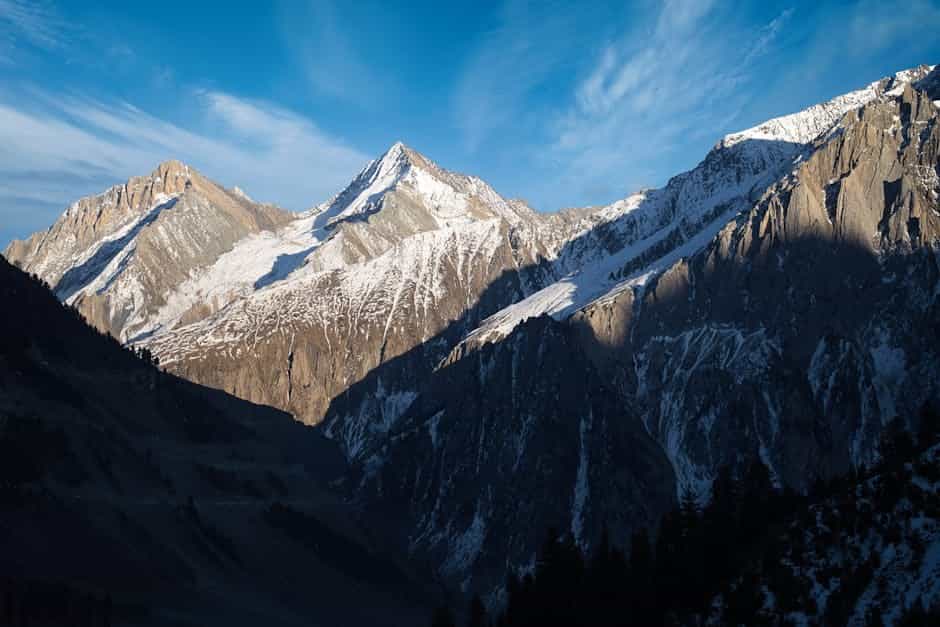
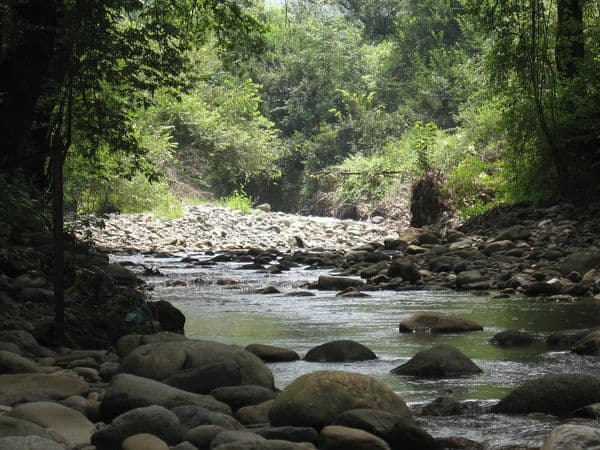
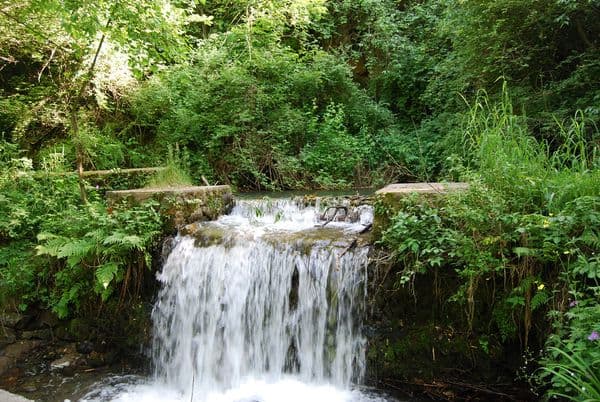
Dachigam National Park (literally 'ten villages' in Kashmiri) is a protected area on the outskirts of Srinagar created originally to protect the catchment of Dal Lake and the region's wildlife. It is important for biodiversity conservation in the Kashmir Valley, protecting several Himalayan ecosystems from dense riverine and mixed temperate forests to alpine meadows. The park is internationally significant as one of the last strongholds of the endangered Hangul (Kashmir stag) and as habitat for other high-altitude species.
Last updated: 23 Oct 2025
Places to visit
- Hangul (Kashmir stag) – flagship and critically important species
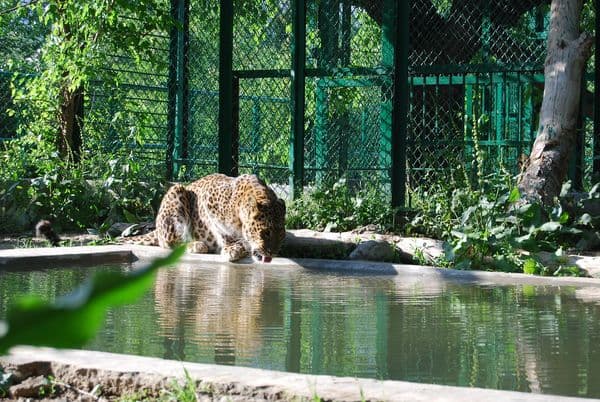
- Himalayan black bear and Himalayan brown bear sightings
- Musk deer and Himalayan serow
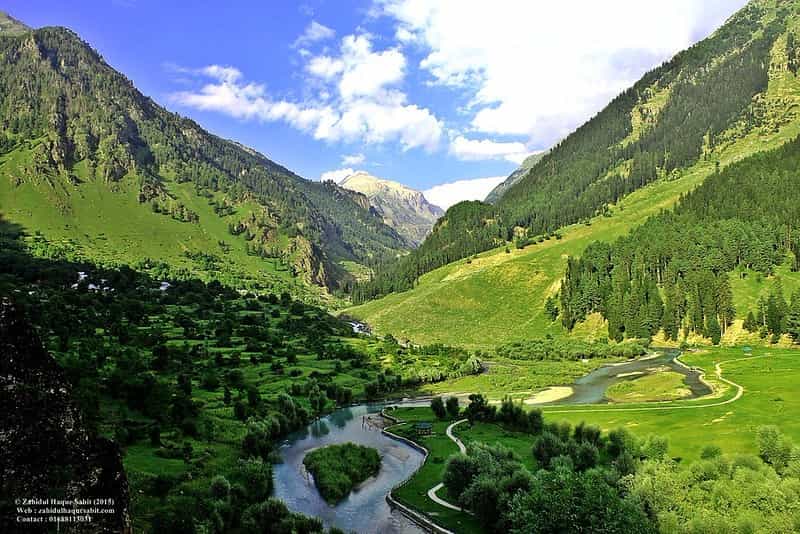
- Alpine meadows and high-altitude pastures (patshals)
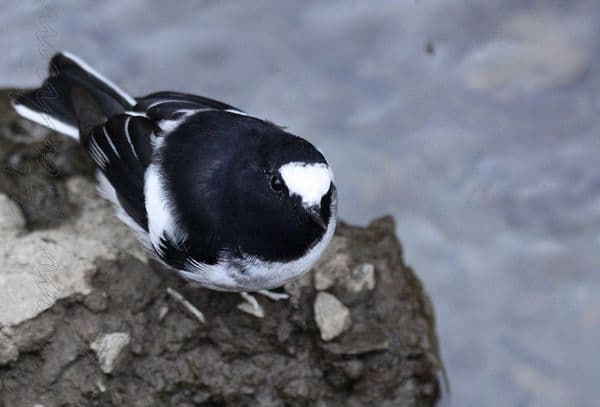
- Rich birdlife including Himalayan species and migrants
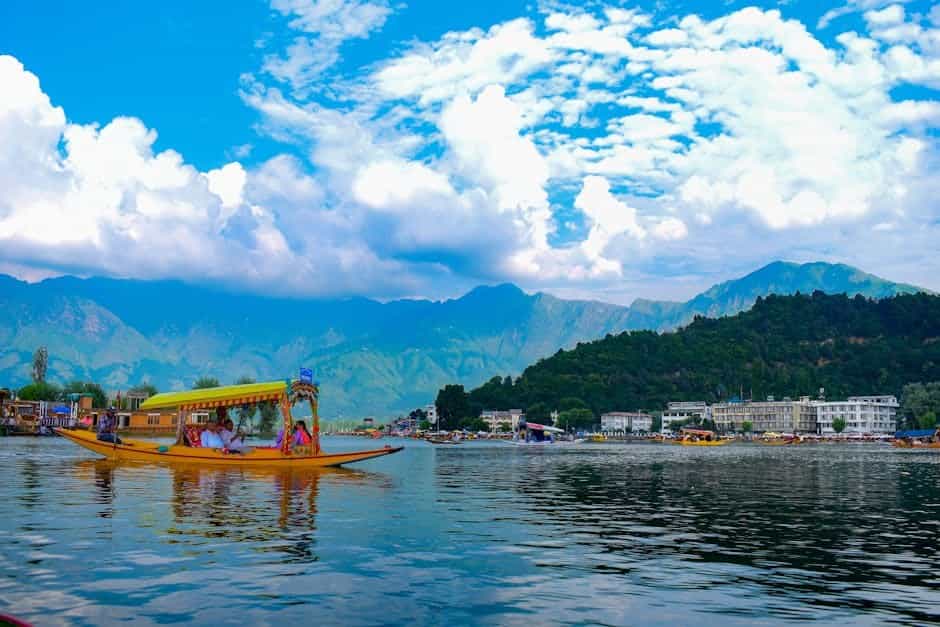
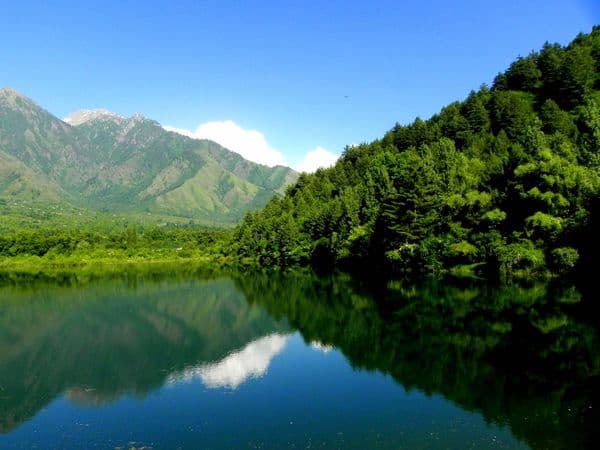
- Scenic views of the Dachigam catchment and Dal Lake in the distance
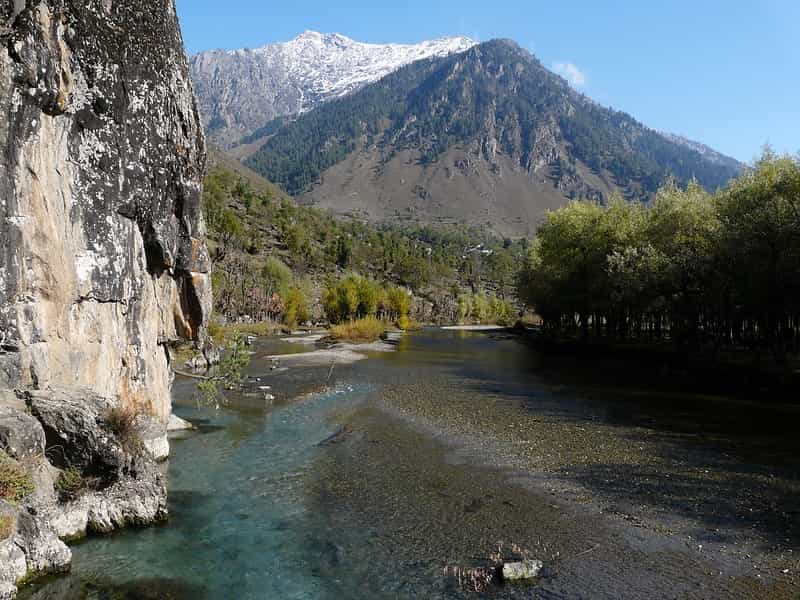
- Forest habitats: mixed temperate (oak, pine, fir) to subalpine zones
Unique Aspects
- Catchment that helps supply water to Srinagar's Dal Lake
- One of the few remaining habitats for the rare Hangul
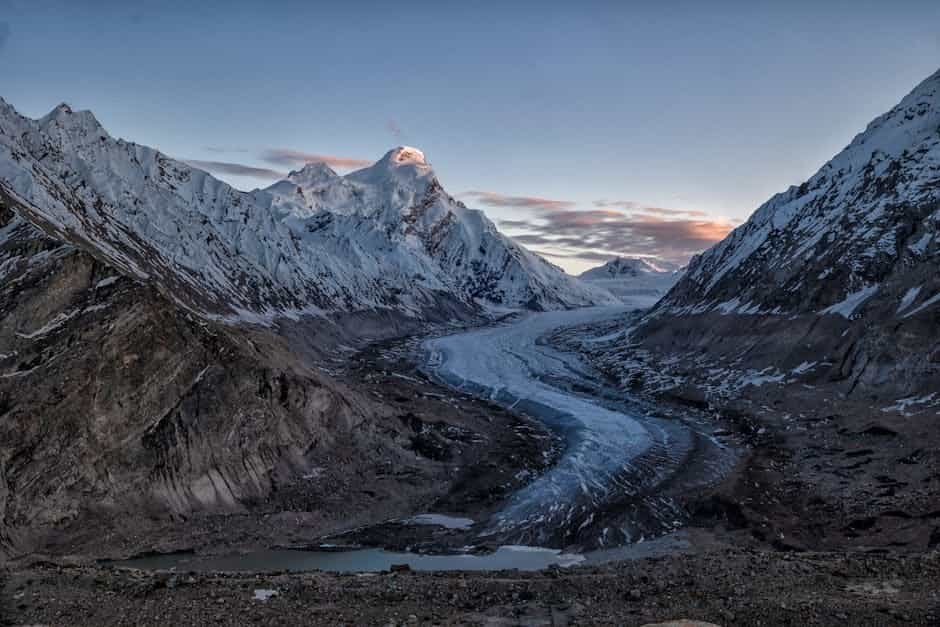
- Distinct altitudinal zonation from river valleys to alpine pastures
- Well-defined trekking trails and photography viewpoints
- Conservation-oriented research and monitoring presence
Things to do
- Wildlife viewing (early morning and dusk are prime times)
- Guided nature walks and day treks into designated trails
- Birdwatching for resident and migratory species
- Landscape and wildlife photography
- Visiting interpretive spots and small conservation / research stations (by permission)
- Short cultural visits near Srinagar combined with park sightseeing
Best Time to Visit
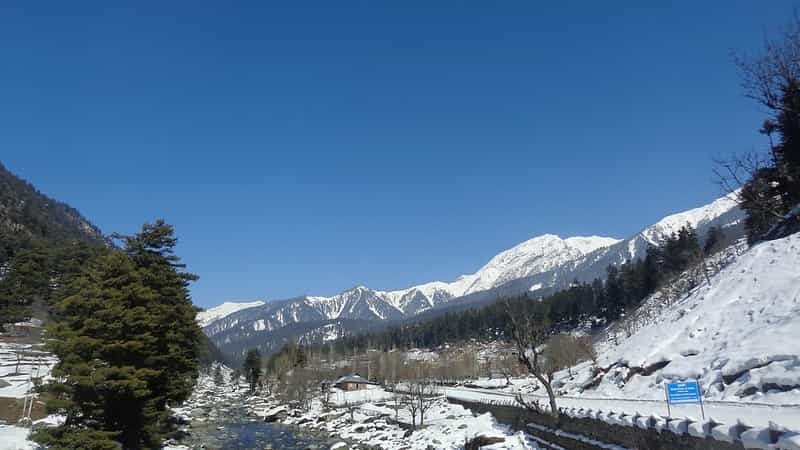
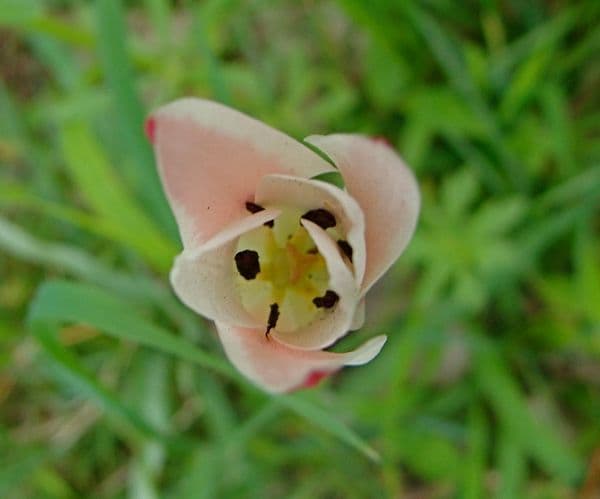
April to October for most access, wildflower displays in late spring and summer. Winter (November–March) brings heavy snow and limited access; some areas are closed.
Weather Conditions
Mountain climate: cool to warm summers (daytime pleasant, nights chilly), cold winters with heavy snowfall at higher altitudes. Rapid weather changes possible—carry layers.
Entry Fees & Permits
Visits require permission/entry permits from the Jammu & Kashmir Forest Department or local park office; small conservation/entry fees may apply. Typical visiting hours are dawn to dusk; guided visits or research require prior booking. Check with the park office in Srinagar for current fee and timing details.
Accessibility
Approximately 20–25 km north/east of central Srinagar depending on the route. Nearest major transport hub is Srinagar (Sheikh ul-Alam) Airport and Srinagar railway/bus links. Access by road via Harwan/Badami Bagh; public transport is limited—private vehicle or organised tour recommended. Some trails and zones are seasonally closed; permits checked at park checkpoints.
Recommended Duration
1 day for a short visit (wildlife viewing around the rim and catchment), 2–3 days for guided treks, photography, and more relaxed exploration.
Clothing & Gear Tips
Layered clothing, warm jacket for mornings/evenings, sturdy walking boots, waterproof outer layer, binoculars, camera with zoom lens, sun protection, and basic first-aid kit. In winter carry insulated gear and check local advisories.
Local Food & Souvenirs
Enjoy Kashmiri cuisine in Srinagar (e.g., rogan josh, yakhni, kahwa). Souvenirs available in Srinagar include pashmina shawls, saffron products, local dry fruits, and traditional handicrafts. Carry water and snacks when visiting the park—services inside the park are limited.