Habba Khatoon Peak, Kashmir
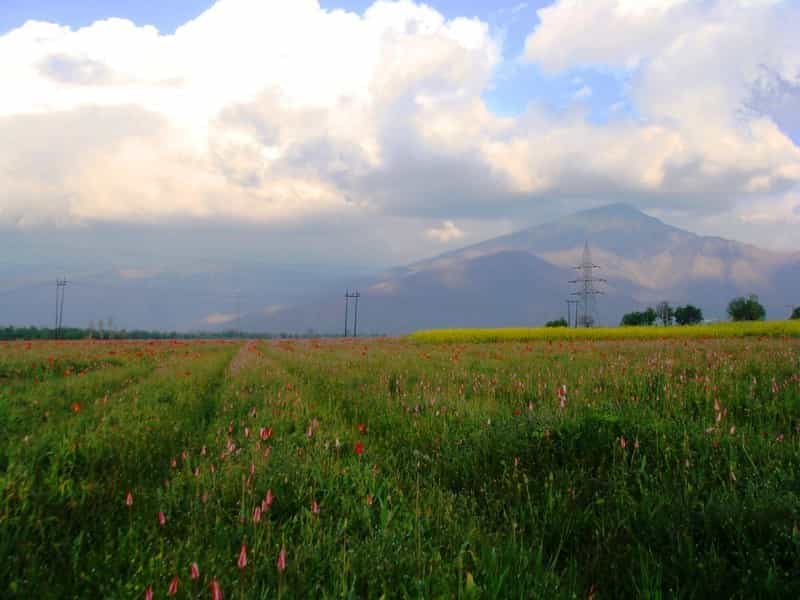
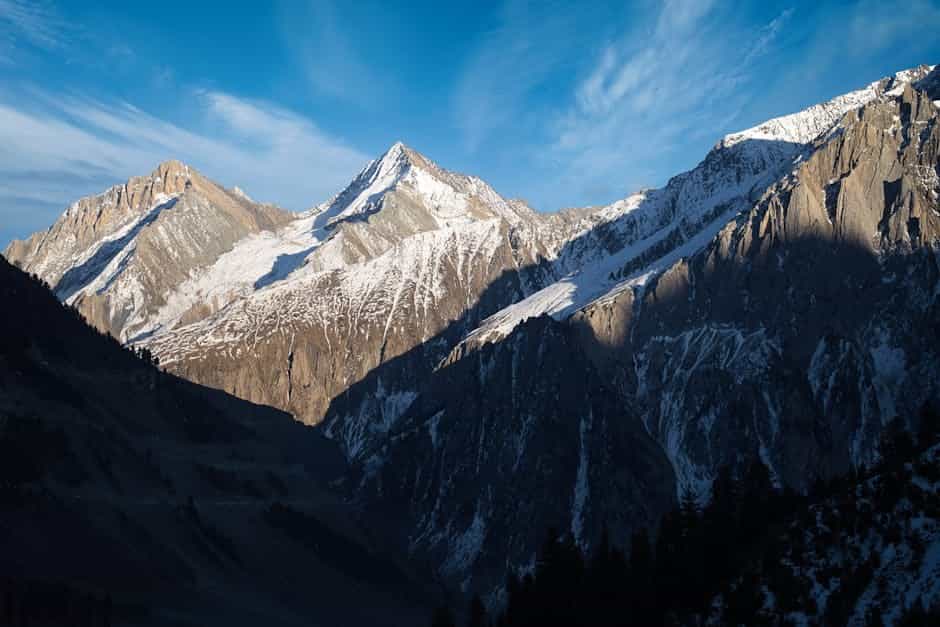
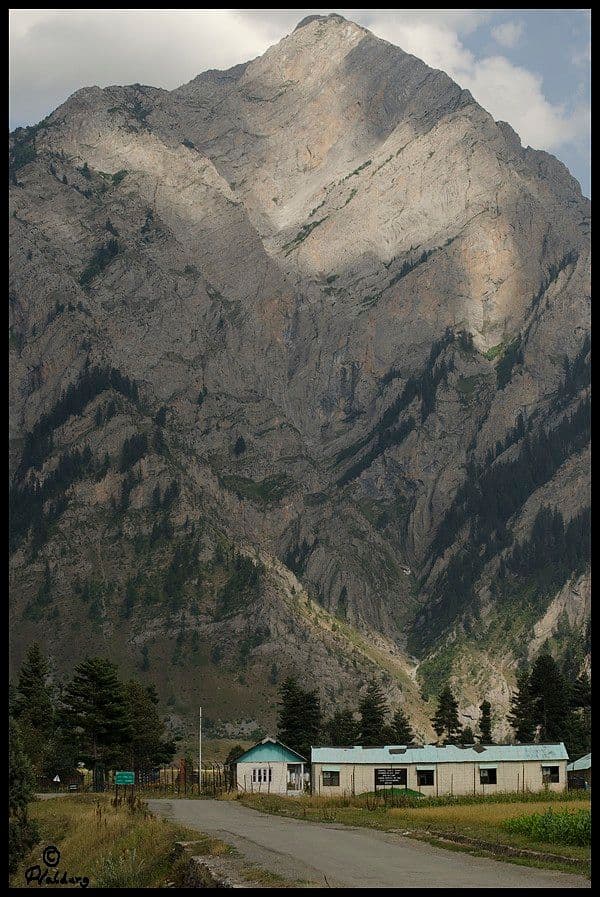
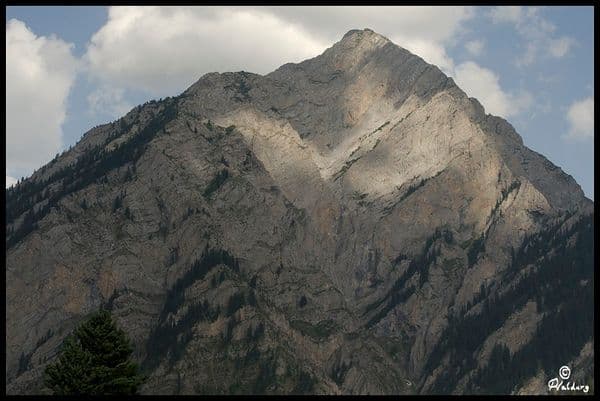
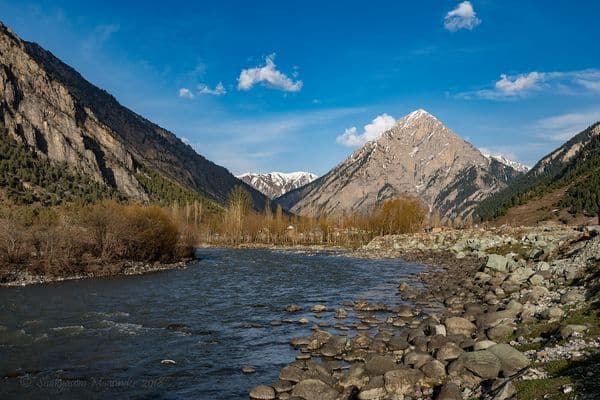
Habba Khatoon Peak is named after the 16th-century Kashmiri poetess and queen Habba Khatoon, a significant cultural figure in Kashmir's literary and oral traditions. The peak serves as a cultural landmark honoring her legacy and is valued for its natural beauty as part of the Himalayan landscape, with alpine meadows, seasonal wildflowers and habitats for high‑altitude birds and small mammals.
Last updated: 23 Oct 2025
Places to visit
- Summit viewpoints offering panoramic Himalayan vistas
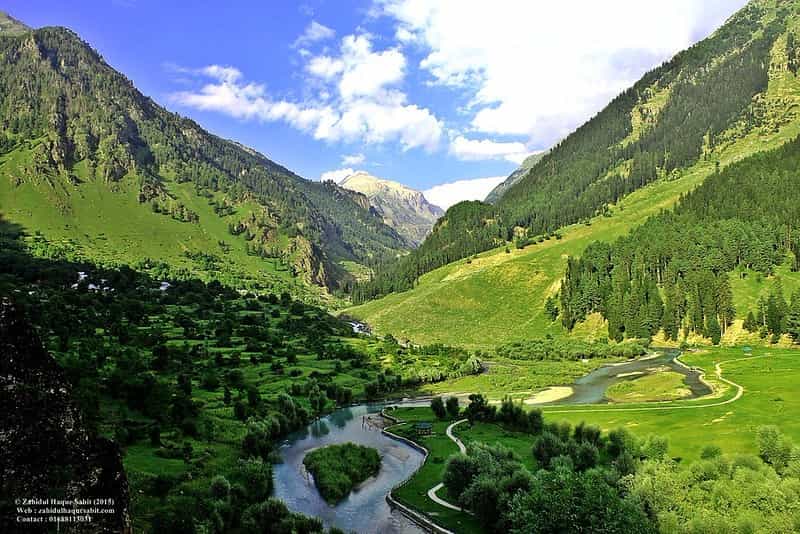
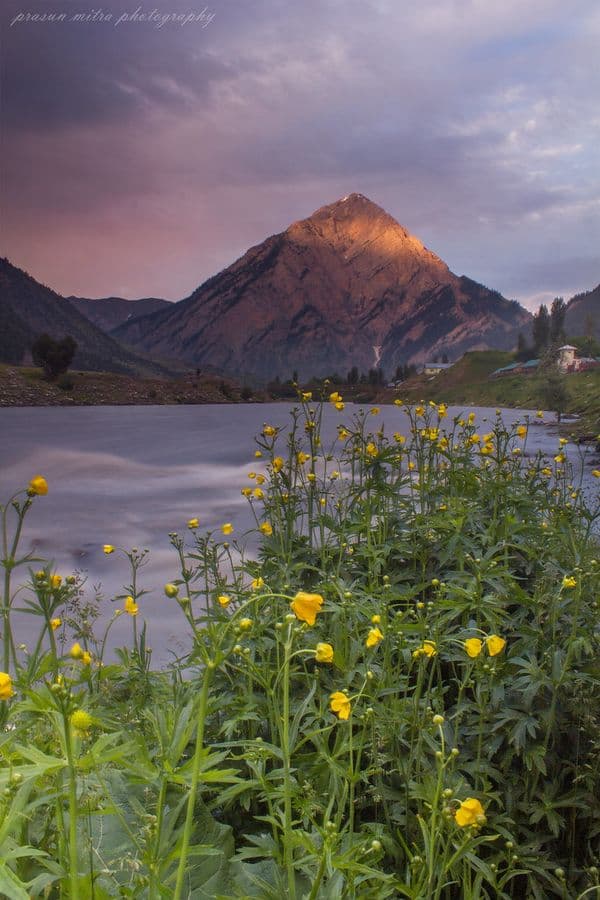
- Alpine meadows and seasonal wildflower displays (spring–summer)
- Traditional Kashmiri village life and shepherd pastures near the base
- Opportunities for photography at sunrise and sunset
- Quiet camping sites and ridge walks
Unique Aspects
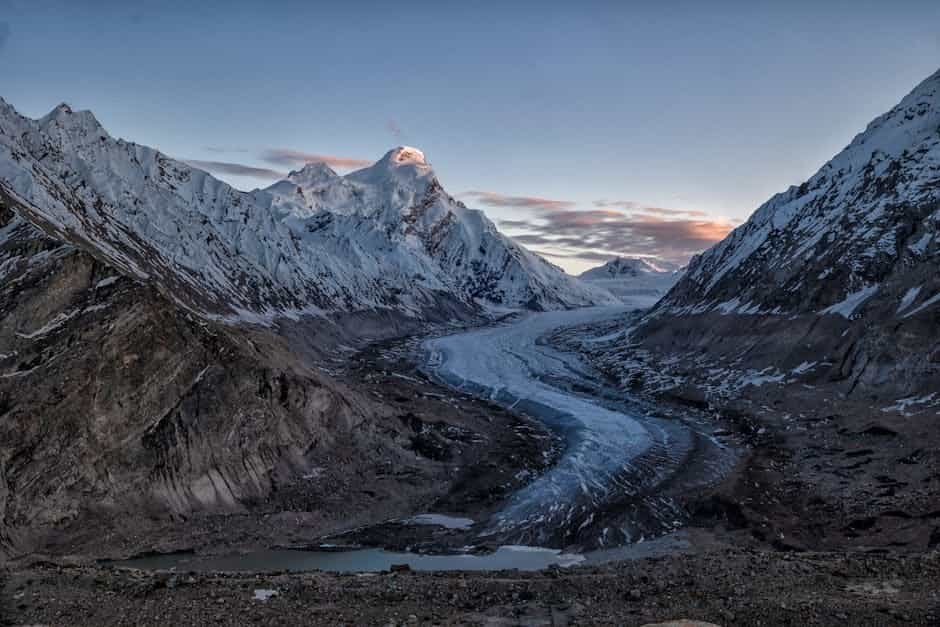
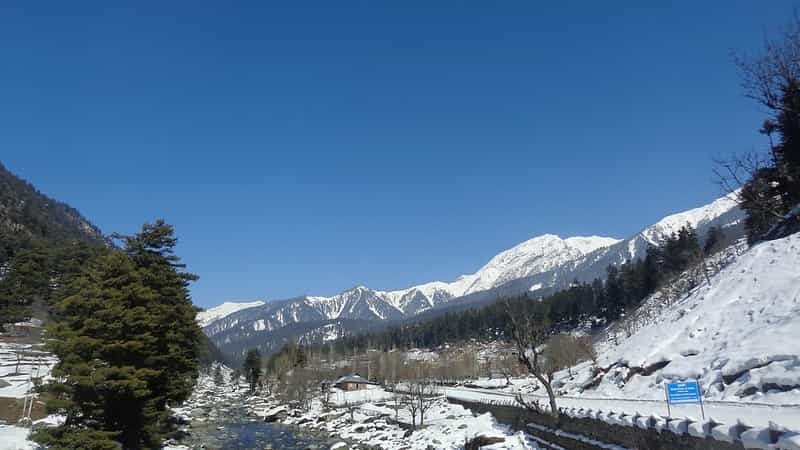
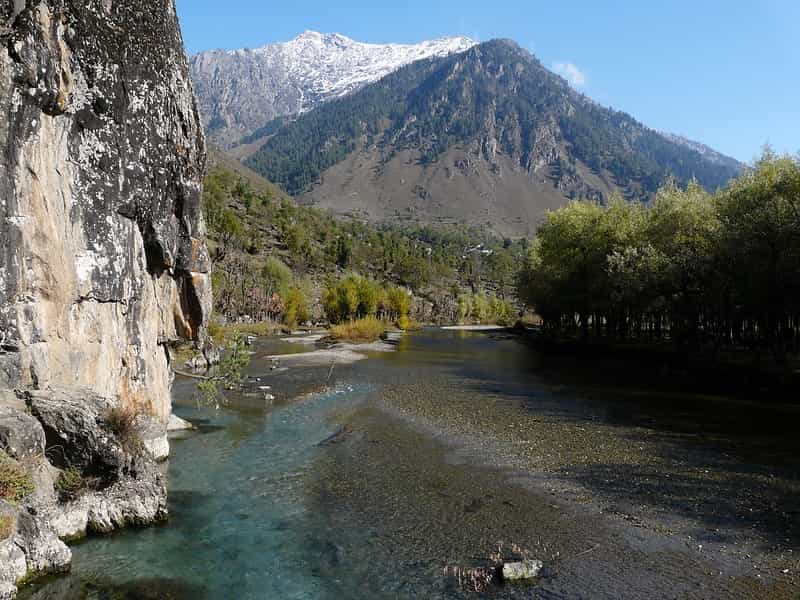
- Panoramic views across surrounding valleys and snow‑capped peaks
- Seasonal carpets of wildflowers and alpine grasses
- Rhododendron and sub‑alpine scrub in mid‑elevations (seasonal)
- Relatively unspoilt, low‑traffic trekking routes
- Cultural connection to Habba Khatoon — locally recited poems and stories
Things to do
- Day hikes or multi‑day treks to the summit and ridgelines
- Photography (landscape, sunrise/sunset, wildflowers)
- Birdwatching and nature observation
- Overnight camping under clear Himalayan skies
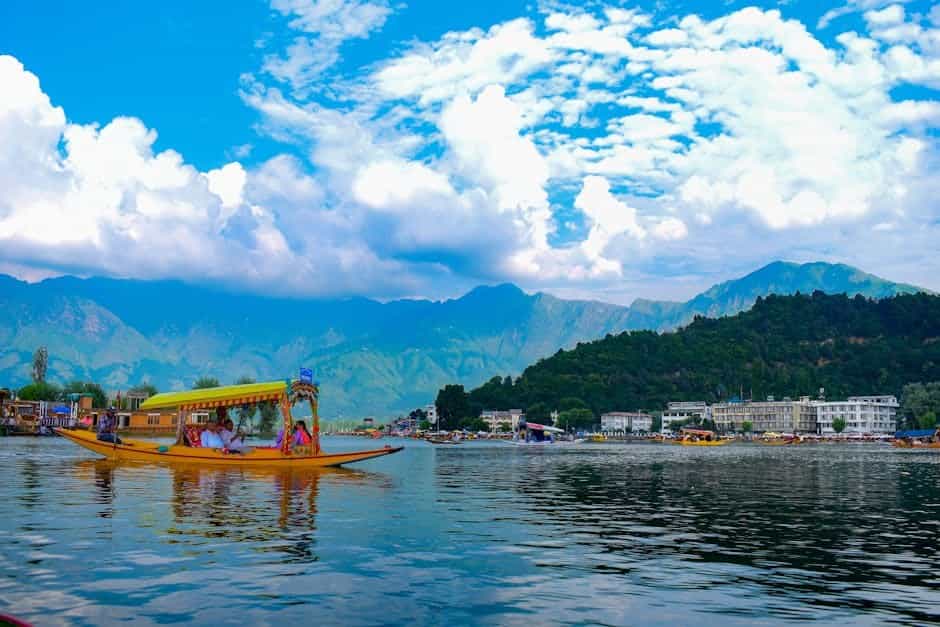
- Visiting nearby villages to experience local culture and cuisine
Best Time to Visit
Late spring to early autumn (May to October) for open trails, wildflowers and clearer weather. Winter brings heavy snow and limited access.
Weather Conditions
Alpine climate: cool to mild days in summer, chilly nights. Rapid weather changes possible; winters are cold with heavy snowfall at higher elevations.
Accessibility
Nearest major transport hub is Srinagar (Srinagar International Airport). From the valley towns or base villages reached by road, access typically requires a trek to the peak. Roads and trek heads vary by local route — engage a local guide or trekking operator for up‑to‑date route information and logistics. In some areas local permits may be recommended—confirm with local tourism authorities.
Recommended Duration
A short visit can be a day trip from a nearby base village; for a more relaxed experience or to include camping and photography, plan 1–2 nights.
Clothing & Gear Tips
Layered clothing (base, insulating midlayer, waterproof outer), sturdy trekking boots, warm hat and gloves for mornings/evenings, sun protection (sunglasses, sunscreen), trekking poles, and a good daypack. Bring a sleeping bag rated for alpine nights if camping.
Local Food & Souvenirs
Try local Kashmiri dishes and tea in nearby villages (e.g., noon chai, simple home‑cooked meals). Souvenirs to look for include Kashmiri handicrafts, pashmina shawls, dried fruits and nuts, and locally woven items. Purchase from reputable local sellers to support communities.