Hari Parbat Fort, Kashmir
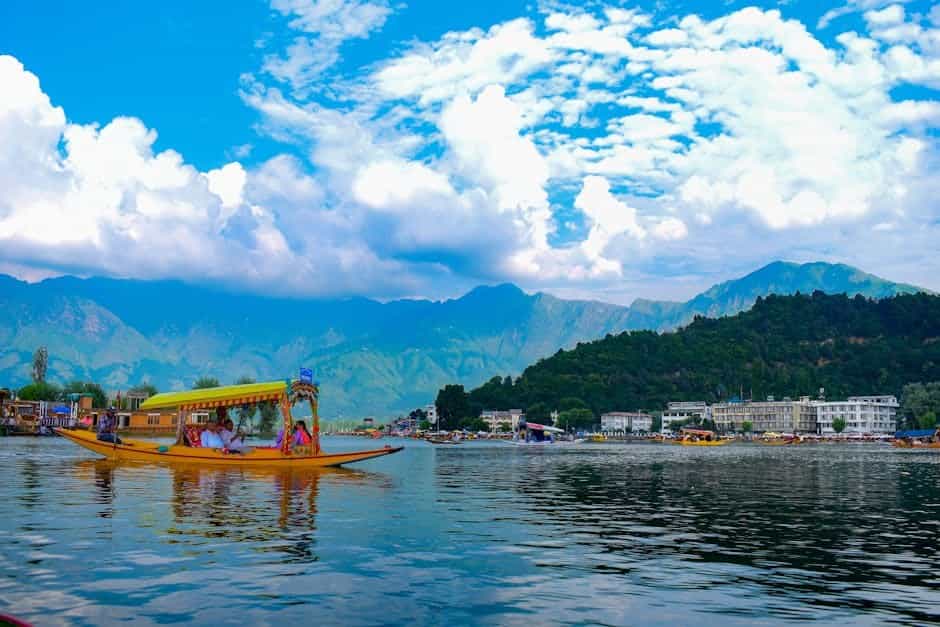
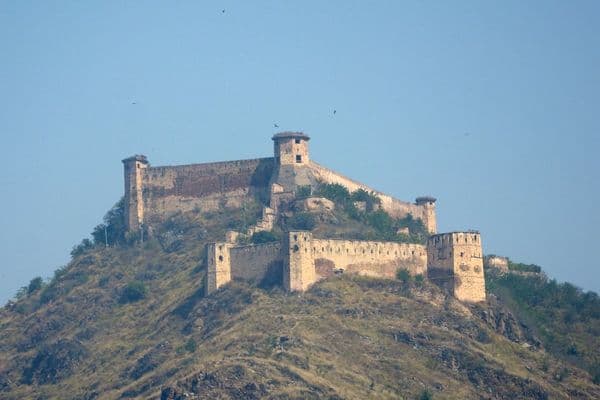
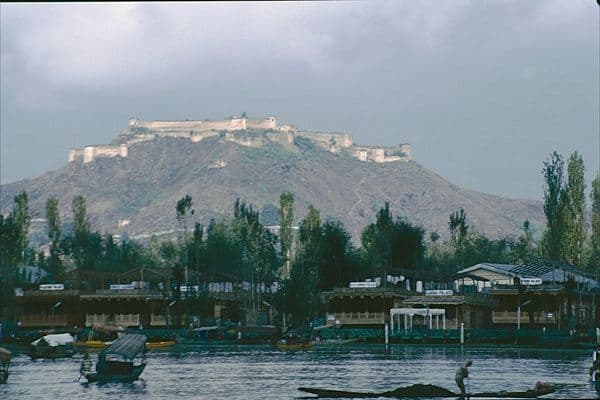
Hari Parbat Fort sits atop Hari Parbat hill overlooking Srinagar and Dal Lake and has served as a strategic and symbolic landmark for centuries. The site is important historically as a fortified stronghold and a marker of successive regional powers (Mughal, Afghan and later Dogra influences) and culturally as a rare example of religious coexistence: Hindu, Muslim and Sikh shrines are clustered on the hill. The natural prominence of the hill provides commanding panoramic views of the city and surrounding Zabarwan and Pir Panjal ranges, making it also significant from a scenic and natural-history perspective.
Last updated: 23 Oct 2025
Places to visit
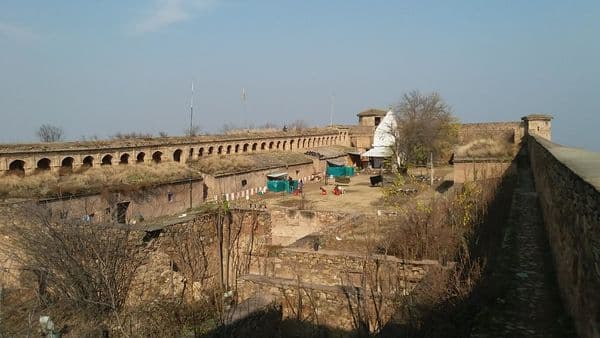
- Hari Parbat Fort (the hill-top fortress with ramparts and bastions)
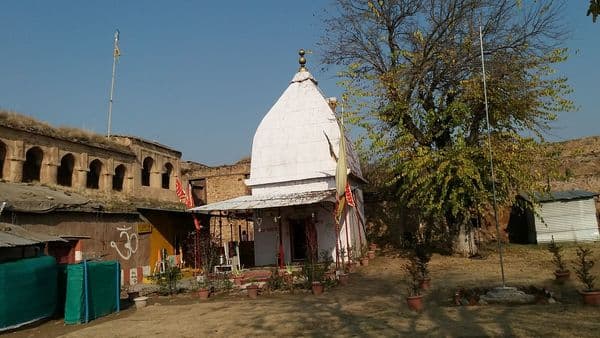
- Sharika Devi Temple (Hindu shrine on the slopes of the hill)
- Sufi shrines and dargahs (historic Islamic holy sites located on/around Hari Parbat)
- Sikh memorials/gurdwaras commemorating historical visits by Sikh gurus
- Panoramic viewpoints overlooking Srinagar, Dal Lake and the surrounding ranges
Unique Aspects
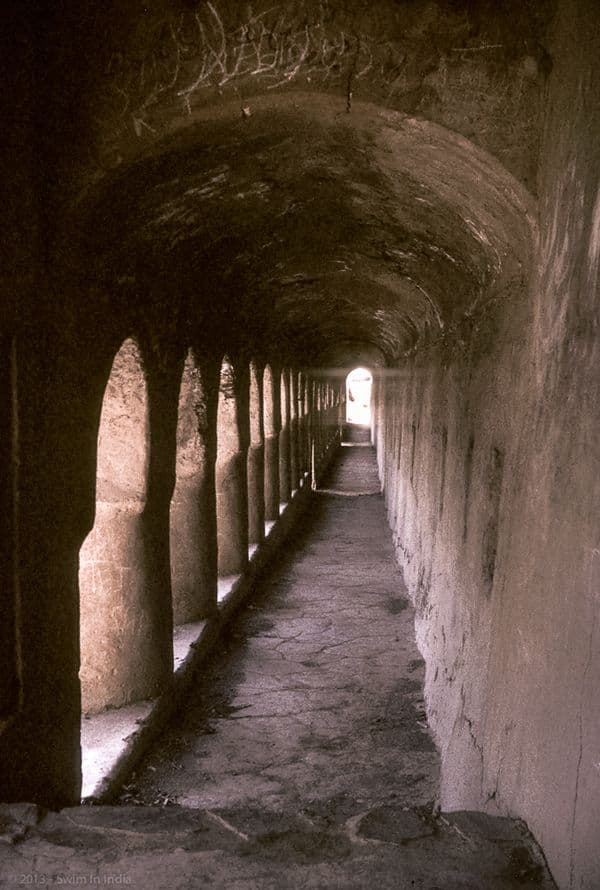
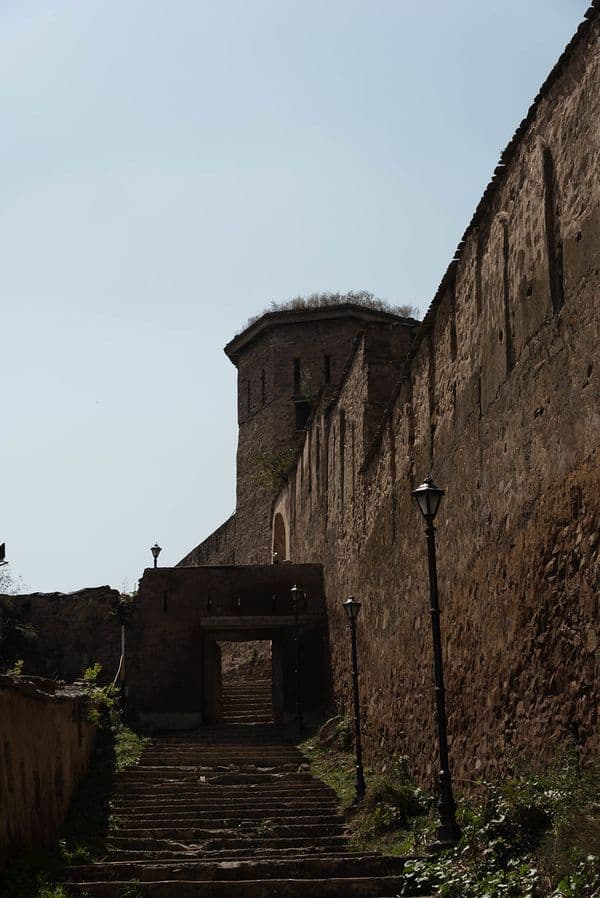
- Extensive ramparts and bastions showing layered construction and military architecture
- A concentration of religious monuments from multiple faiths in close proximity
- Excellent photographic vantage points at sunrise and sunset
- Interpretive plaques and modest restoration works in places (subject to change)
- Views of urban Srinagar set against the Zabarwan foothills and Dal Lake
Things to do
- Walking the fort ramparts and exploring bastions for views and photography
- Visiting religious shrines (observe local customs and dress codes)
- Guided or self-guided history walks to learn about the site's layered past
- Picnicking on designated spots on the hill slopes (where permitted)
- Bird- and landscape-watching: good vantage for city and mountain panoramas
Best Time to Visit
The best time to visit is spring through autumn (March to October) when weather is mild, gardens and lakeside views are at their best and access is easiest. Winters (November–February) can be cold and snowy, limiting views and mobility.
Weather Conditions
Srinagar experiences a temperate climate: warm, pleasant summers (May–September) and cold winters with occasional snow. Expect cool mornings and evenings outside summer months; carry layers.
Entry Fees & Permits
There is generally no fixed entry fee for the hill area; access to specific monuments or restored sections may vary and occasionally have nominal charges. Timings are typically daylight hours (approximately dawn to dusk) — check local signage or with local tourism offices for current access rules and any temporary closures.
Accessibility
Hari Parbat is located within Srinagar city and reachable by road and short walks from nearby neighborhoods. Access to the summit involves steps and uneven paths in places, so mobility-impaired visitors may face difficulty reaching the highest vantage points. Nearest major transport hubs: Srinagar city center and Srinagar International Airport (use local taxi or bus services to reach the site).
Recommended Duration
Plan 1–2 hours for a comfortable visit (short walk, shrine visits and photography); allow more time if joining a guided tour or exploring thoroughly.
Clothing & Gear Tips
Wear comfortable walking shoes, a hat and sun protection in summer; layered clothing for cooler months. Dress modestly when visiting shrines (cover shoulders and knees; women may be asked to cover heads at some sites). Bring water and a small first-aid kit.
Local Food & Souvenirs
Nearby Srinagar markets offer Kashmiri specialties like kahwa (traditional green tea), dried fruits and nuts, and Wazwan cuisine at local eateries. Souvenirs include pashmina shawls, papier-mâché crafts, carved walnut woodwork and saffron (buy from reputable shops).