Hokersar Wetland Reserve, Kashmir
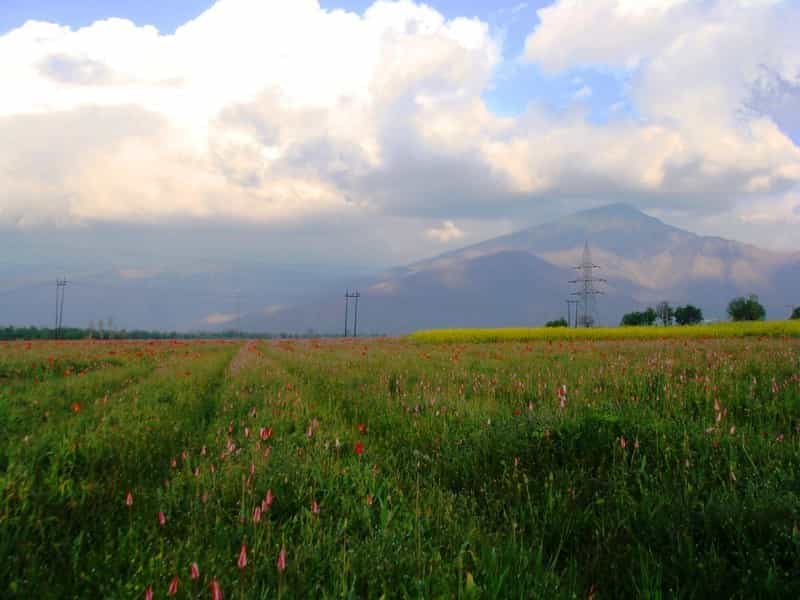
Hokersar Wetland is one of the most important freshwater marshes in the Kashmir Valley. Designated as a Ramsar site, it functions as a crucial wintering ground and stopover for large numbers of migratory waterbirds coming from Central Asia and Siberia. The wetland helps in flood moderation and groundwater recharge for surrounding agricultural and urban areas, supports local livelihoods through fishing and reed harvesting, and sustains rich wetland biodiversity including waterfowl, marsh vegetation and associated fauna.
Last updated: 23 Oct 2025
Places to visit
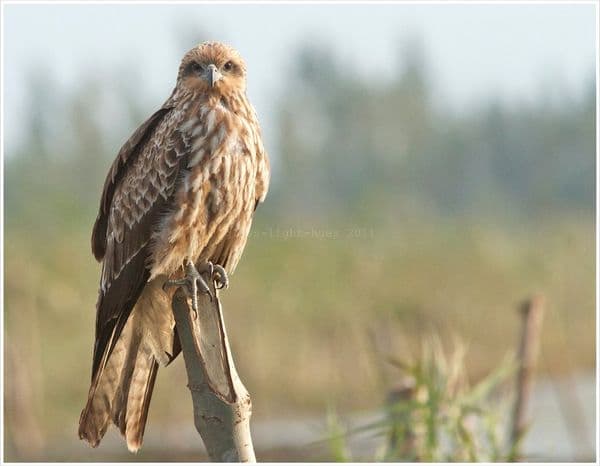
- Large flocks of migratory waterfowl (ducks, geese, waders) in winter
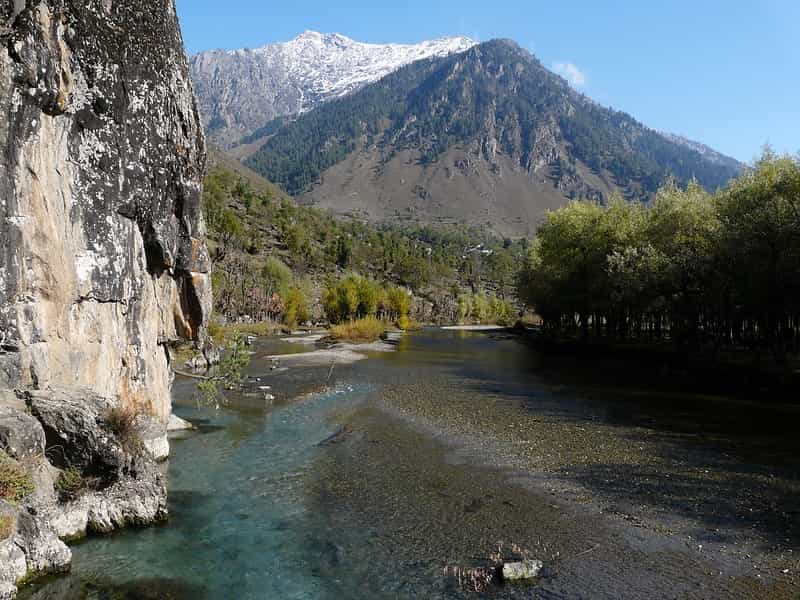
- Shallow marshes and extensive reed beds
- Excellent opportunities for birdwatching and wildlife photography
- Scenic wetland landscapes and sunset views
- Educational and conservation signage and guided walks (seasonal)
Unique Aspects
- Ramsar-listed wetland with high value for migratory birds
- Seasonal shallow lakes, marshes and reedbeds that support diverse waterbirds
- Important staging/wintering area for species such as pochards, shovelers, teals, coots and various geese
- Plays a role as a natural flood buffer for the Dal–Jhelum basin
Things to do
- Birdwatching (best with binoculars/spotting scope)
- Nature/photography walks along designated trails and observation points
- Seasonal guided tours by local naturalist groups or NGOs
- Short, controlled boat rides or reed-edge viewing where permitted (seasonal and regulated)
- Participating in citizen science events such as annual waterbird counts
Best Time to Visit
November to March — peak period for migratory birds and highest bird diversity; quieter months (spring/early summer) are also pleasant for walks and viewing resident species.
Weather Conditions
Winters are cold with fog and possible freezing conditions; expect temperatures well below freezing at times. Summers are mild and pleasant but can be wet. Visibility for birding can be affected by winter fog early in the day.
Entry Fees & Permits
There is typically no formal entry fee to view the wetland from public vantage points; access to protected/sensitive zones may be restricted and regulated by local authorities or conservation groups. Sites are generally accessible in daylight hours—check with local conservation authority or guides for permitted timings and seasonal restrictions.
Accessibility
Hokersar is accessible by road from Srinagar (short drive north of the city). The nearest major hub is Srinagar — Srinagar International Airport and the city are within a short drive. Local roads may be narrow and seasonally affected; use a local driver or guide if unfamiliar with rural routes.
Recommended Duration
Half-day to full day visit depending on interest (2–6 hours). Early morning and late afternoon offer the best bird activity and light for photography.
Clothing & Gear Tips
Warm layered clothing and windproof outerwear in winter; waterproof boots or shoes for muddy edges; binoculars and a spotting scope or telephoto lens for photography; hat, sunscreen and insect repellent for warmer months.
Local Food & Souvenirs
Nearby Srinagar offers Kashmiri cuisine (rogan josh, kahwa, local bakery items) and lakeside cafés. Good souvenir options in Srinagar include pashmina shawls, saffron, and traditional papier-mâché crafts. Respect local vendors and source authentic items from reputable shops.