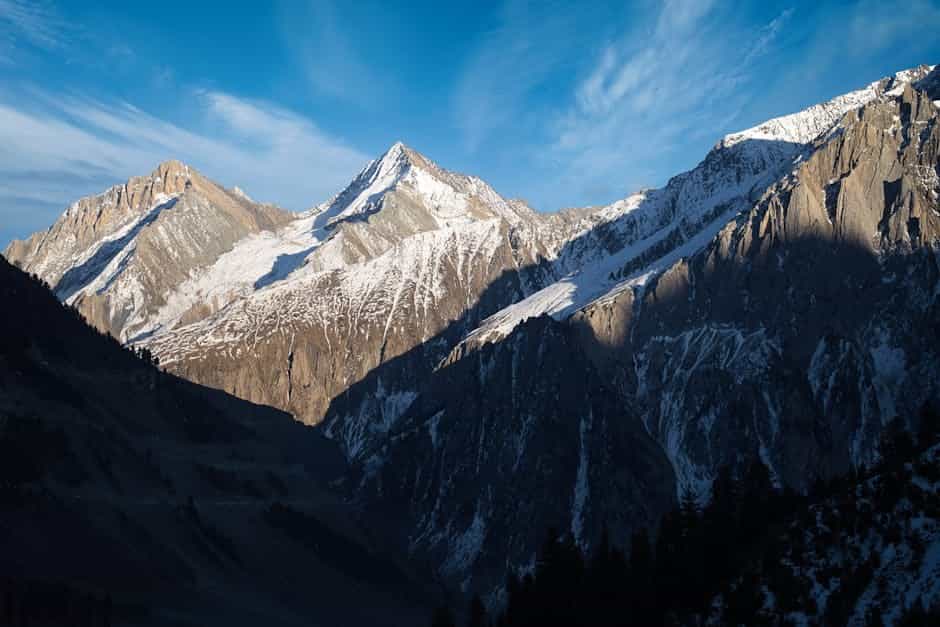
Khanqah-e-Moula (Shah-e-Hamadan), Kashmir
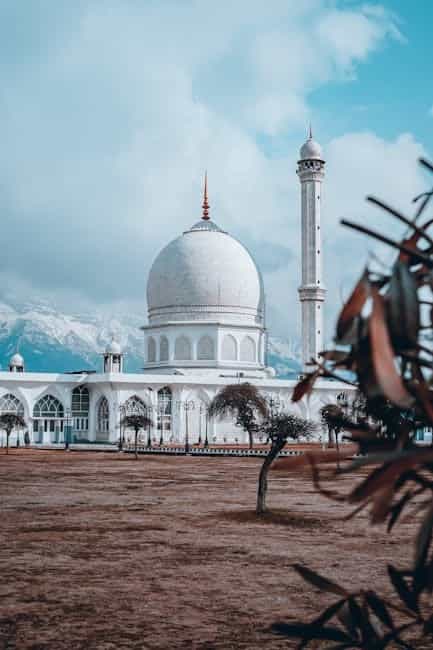
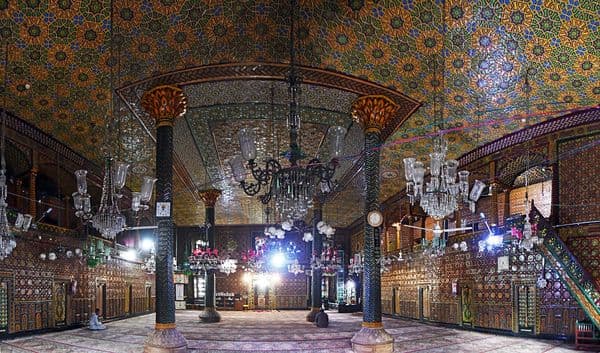
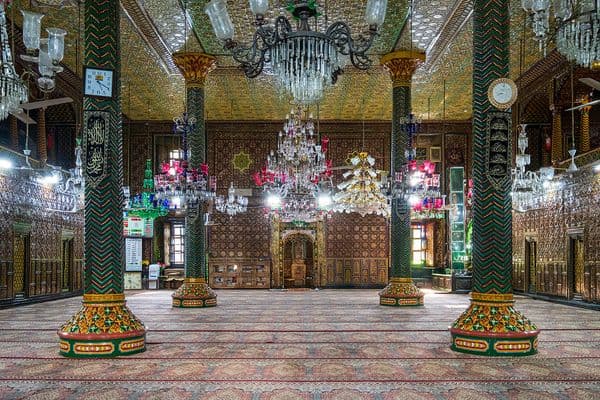
Khanqah-e-Moula (Shah‑e‑Hamadan) is one of Kashmir’s oldest and most important Islamic shrines and a center of Sufi devotion. It commemorates Mir Syed Ali Hamadani (Shah‑e‑Hamadan), the 14th‑century Persian Sufi saint credited with playing a major role in the spread of Islam and traditional Kashmiri crafts. The site is a living religious complex—architecturally notable for its traditional Kashmiri timber work and ornate interiors—and it is deeply woven into the social, spiritual and cultural life of Srinagar’s old city.
Last updated: 23 Oct 2025
Historic Anecdotes
Local traditions and legends surround the Khanqah: it is said that Shah‑e‑Hamadan’s presence transformed the spiritual life of Kashmir and that miracles and blessings (karamat) are associated with his memory. Some local accounts suggest the khanqah stands on or beside an older sacred spot that pre‑dated Islamic influence, a fact reflected in the layered religious history of the old city. Oral histories also recount the khanqah’s survival, restoration and rebuilding after floods and fires, adding to its aura of resilience.
Places to visit
- The central shrine and prayer hall dedicated to Shah‑e‑Hamadan
- Intricate Kashmiri wooden carvings, ceilings and traditional papier‑mâché decoration
- The riverside setting on the banks of the Jhelum in Srinagar’s old city
- Nearby historic lanes, bazaars and traditional craft workshops (papier‑mâché, pashmina, walnut wood carving)
Unique Aspects
- Distinctive Kashmiri timber architecture and carved cedar ceilings
- Active Sufi gatherings and devotional music (qawwali/sama) on special occasions
- Picturesque riverside location providing atmospheric views of the old city and Jhelum
- A living community shrine — not just a monument — with daily prayer and local rituals
Things to do
- Attend or observe prayers (respectful behavior required)
- Take a guided or self‑guided walk through the old city lanes and nearby bazaars
- Photograph the woodwork and exterior (ask permission for interior/people)
- Learn about local crafts in nearby workshops and buy handmade souvenirs
- Join or witness Sufi gatherings or the shrine’s commemorative events when permitted
Festivals & Events
- Urs (death anniversary) commemorations of Shah‑e‑Hamadan — devotional gatherings and increased local visitation
- Major Islamic festivals such as Eid where the shrine is busier
- Occasional local religious and cultural events tied to the shrine and Srinagar’s old‑city community
Best Time to Visit
April to October for the most comfortable weather and accessible lanes; spring (April–May) for blossoms and late summer/early autumn (August–October) for pleasant temperatures.
Weather Conditions
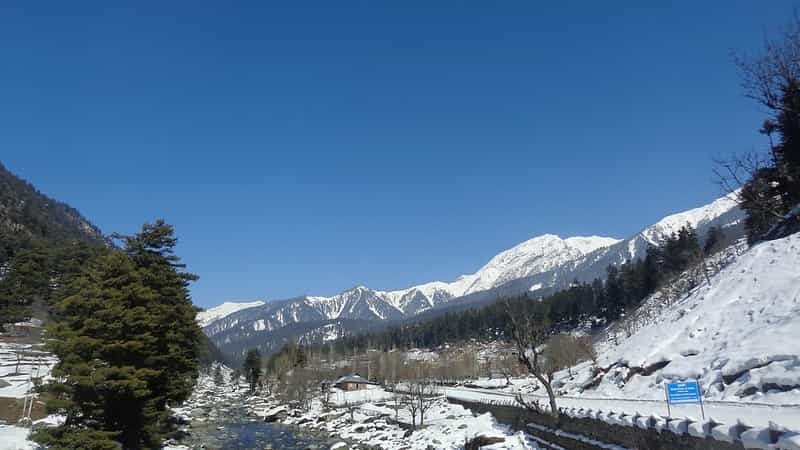
Kashmir has a temperate mountain climate: cool, wet springs; warm, pleasant summers; crisp autumns; and cold, often snowy winters (November–February). Expect significant seasonal variation.
Entry Fees & Permits
No formal entry fee. The khanqah is an active religious site and is generally open daily; visitors should plan visits outside major prayer times (especially Friday noon prayer) to avoid disruption. Specific opening hours can vary — check locally or ask at the site.
Accessibility
Located in Srinagar’s old city on the banks of the Jhelum River. Nearest airport: Srinagar International Airport (SXR) — roughly 20–30 km by road depending on route and traffic. Access: Reachable by taxi or local transport to the old city; many parts require walking through narrow lanes and steps, so luggage carts/vehicles may not reach the entrance. Limited accessibility for wheelchairs in the historic lanes; plan for walking and uneven surfaces.
Recommended Duration
30 minutes to 1.5 hours for a focused visit (longer if you explore surrounding bazaars and workshops).
Clothing & Gear Tips
Modest clothing required. Visitors should cover shoulders and legs; women should bring a headscarf to use inside the shrine. Remove shoes before entering prayer areas. Comfortable walking shoes for narrow, uneven lanes.
Local Food & Souvenirs
Taste local Kashmiri items nearby such as kahwa (Kashmiri green tea), local breads and street snacks; try full Kashmiri meals (Rogan Josh, Yakhni, or local Wazwaan) in nearby traditional eateries. Good souvenirs include papier‑mâché items, pashmina shawls, walnut wood crafts, saffron and dried fruits (buy from reputable vendors).