Kheer Bhawani Temple, Kashmir
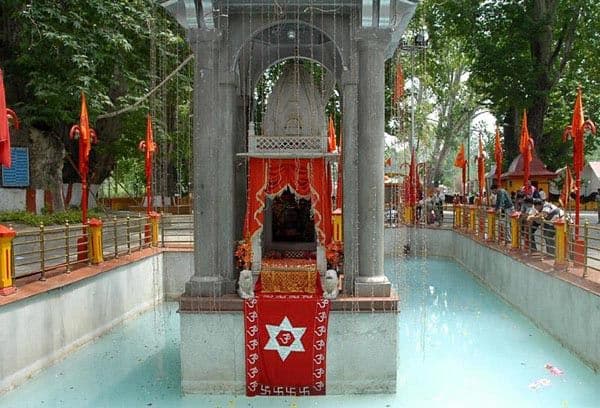
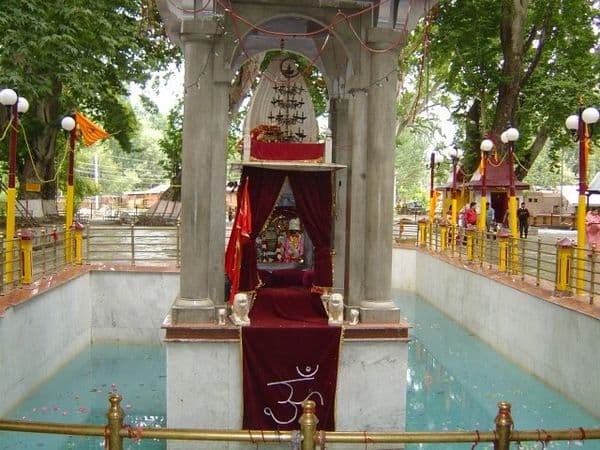
Kheer Bhawani Temple (also known as Kheer Bhawani Astan) is a major Hindu shrine in Kashmir dedicated to the mother goddess Ragnya Devi (locally called Kheer Bhawani). Located in the village of Tulmulla/Tullamulla in Ganderbal district near Srinagar, the temple is centered on a sacred spring whose water is considered holy by Kashmiri Pandits and many local Muslims. The site is an important symbol of Kashmiri Pandit identity and faith and has long been associated with worship, pilgrimage and communal harmony in the Valley.
Last updated: 23 Oct 2025
Historic Anecdotes
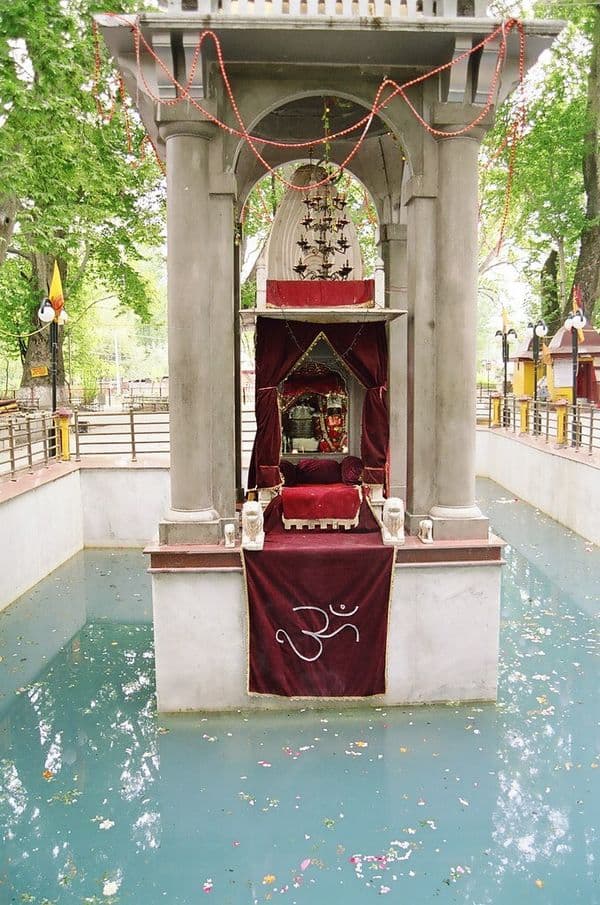
Legend and miracle lore: The shrine is famous for the spring whose waters are believed to change color — devotees interpret different hues as omens or messages from the goddess. A traditional practice is to offer kheer (rice pudding) at the spring; lore says the goddess accepted kheer offered by the devotees, giving the site its popular name. Stories also speak of divine appearances and protective visions associated with Ragnya Devi.
Places to visit
- The temple complex around the spring and the small shrine dedicated to Ragnya Devi
- The sacred spring (Kheer Bhawani spring) — central to rituals and famed for occasional color changes
- Annual Kheer Bhawani Mela (major pilgrimage event)
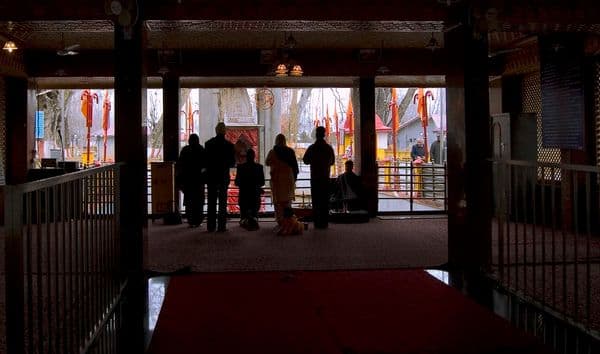
- Pilgrim pathways and small prayer areas used by devotees
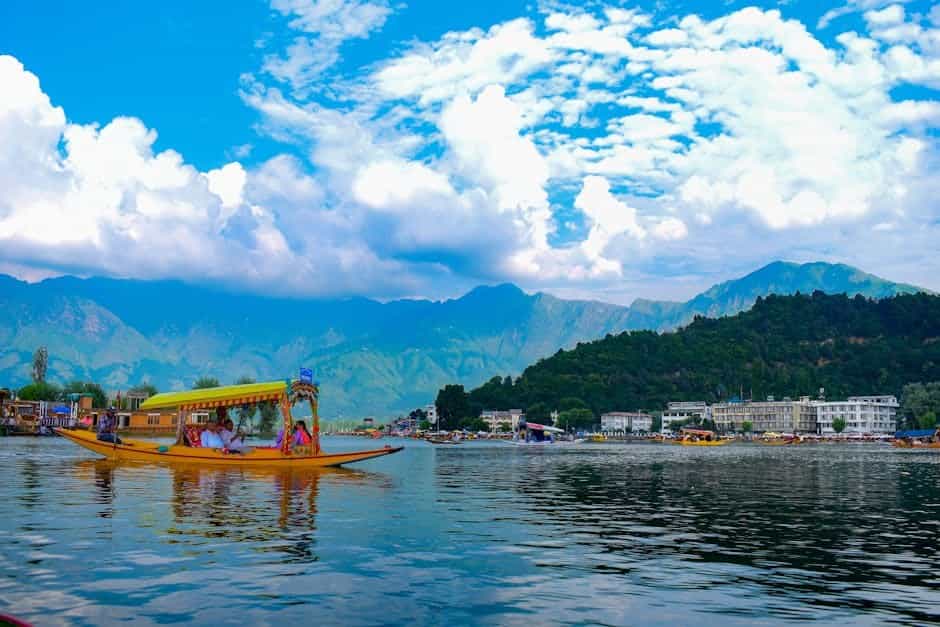
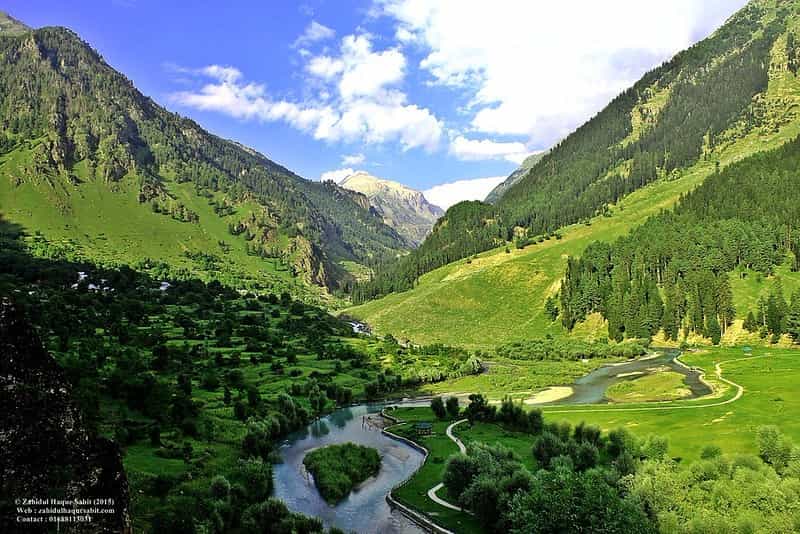
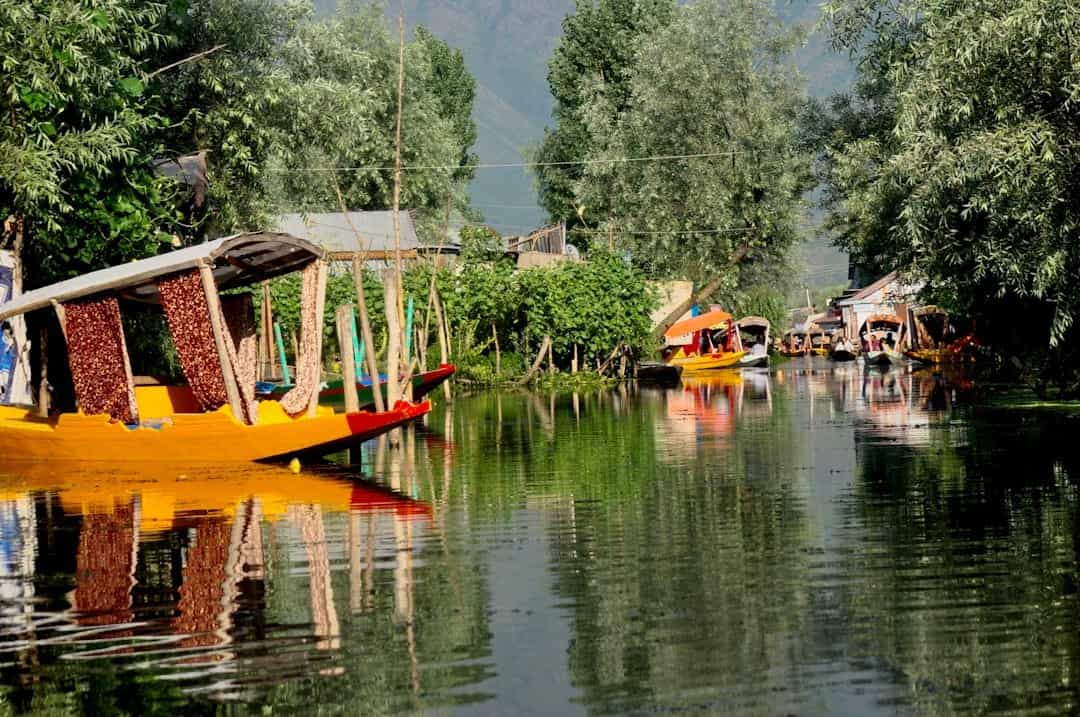
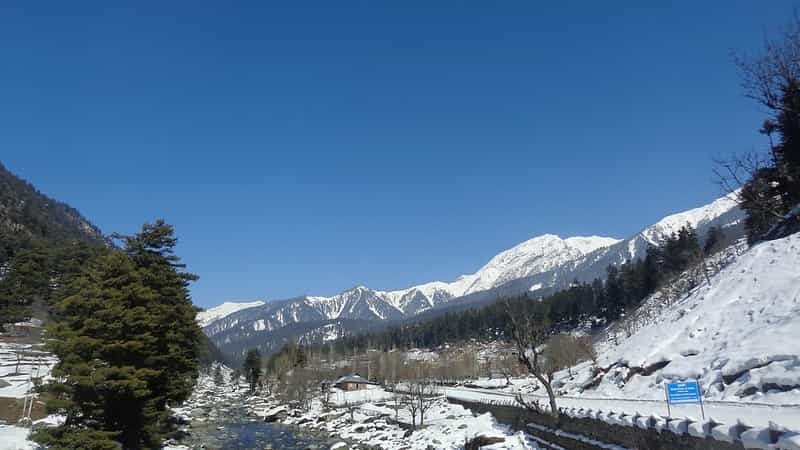
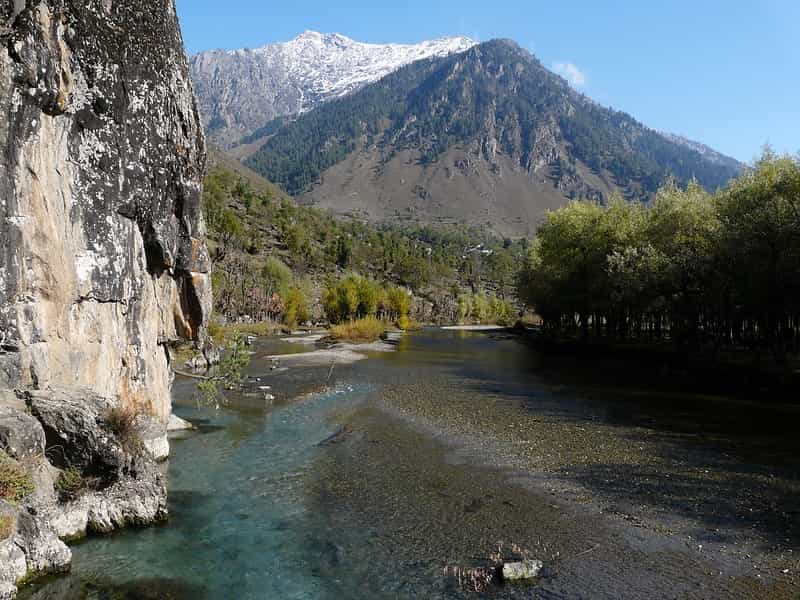
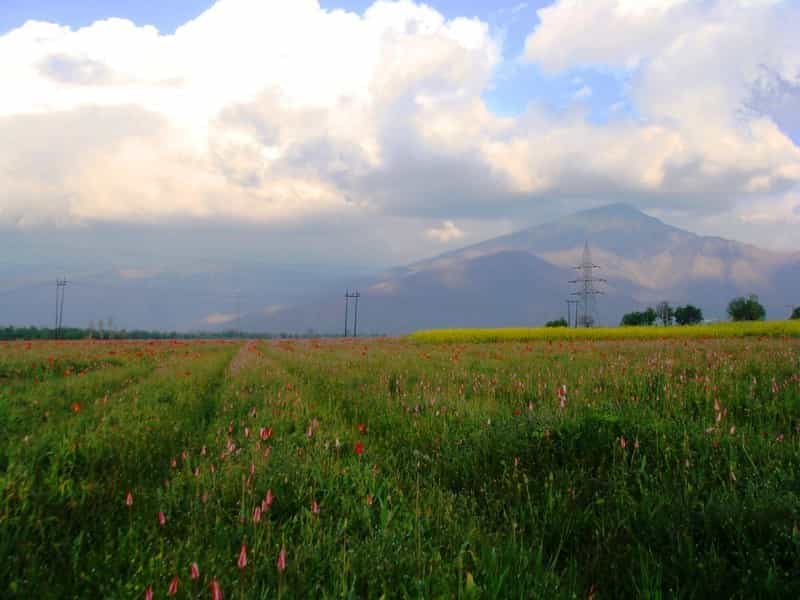
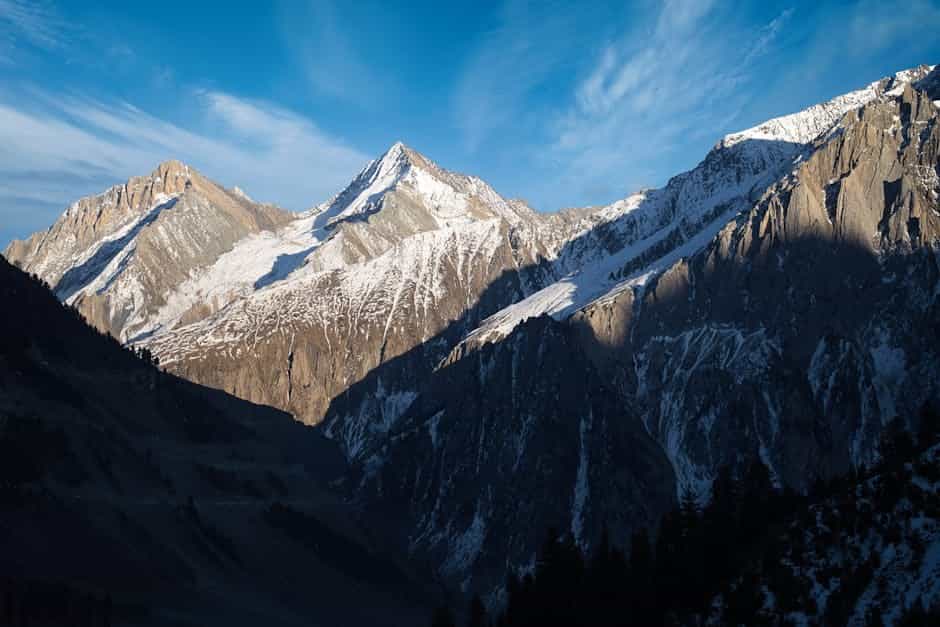
- Scenic rural surroundings and views of the nearby Kashmir valley
Unique Aspects
- Spring that reportedly changes color — a unique natural-religious phenomenon
- A place of interfaith respect where Hindus and Muslims have shared reverence
- Traditional rituals: offering kheer, puja, and aarti
- Calm, rural setting within easy reach of Srinagar
Things to do
- Attend the morning or evening aarti and observe traditional puja rituals
- Offer kheer at the spring and participate in prayers
- Walk the precincts and visit small shrines and memorials
- Photograph the shrine and rural scenery (ask for permission where appropriate)
- Meet and talk with local Kashmiri Pandit pilgrims to learn about customs
Festivals & Events
- Kheer Bhawani Mela (Jyeshtha Ashtami, usually May–June) — the main annual pilgrimage drawing large numbers of devotees
- Observances during major Hindu festivals (local dates vary) and occasional special pujas
Best Time to Visit
April to September for comfortable weather; May–June if you want to experience the Kheer Bhawani Mela (Jyeshtha Ashtami). Winters (December–February) are cold and many facilities are limited.
Weather Conditions
Mountain valley climate: warm, pleasant springs and summers (comfortable days, cooler nights), cold winters with possible snow at higher elevations.
Entry Fees & Permits
No general entry fee. The temple is normally open from early morning until evening; timings can be extended during festivals. Check local sources or ask hosts in Srinagar for exact hours on the day of your visit.
Accessibility
Located in Tulmulla/Tullamulla village near Ganderbal, approximately 15–20 km north of central Srinagar (travel times vary with traffic). Nearest airport: Srinagar International Airport (Sheikh ul-Alam) — reachable by road (approx. 30–40 km). Nearest major railhead: Jammu Tawi (a long road journey away). Access by road via taxis, private car or local buses; final stretch may be a narrow village road.
Recommended Duration
Half a day to a full day is sufficient for most visitors; longer if you arrive during the mela or want to combine with other nearby sites in Srinagar/Ganderbal.
Clothing & Gear Tips
Wear modest clothing (cover shoulders and legs). Women often cover heads; bring a shawl or scarf. You will be asked to remove footwear near the spring/shrine — carry socks or shoes that are easy to remove. Also bring sun protection, water and comfortable walking shoes.
Local Food & Souvenirs
Taste local Kashmiri items in Srinagar such as Kahwa (traditional green tea) and Kashmiri dishes; the temple itself is associated with kheer offerings. Good souvenir options from the region: pashmina/shawls, saffron, dry fruits, and papier-mâché crafts.