Naranag Temple Ruins, Kashmir
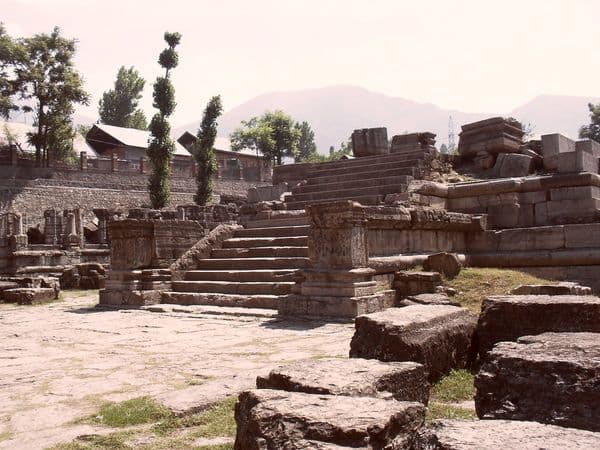
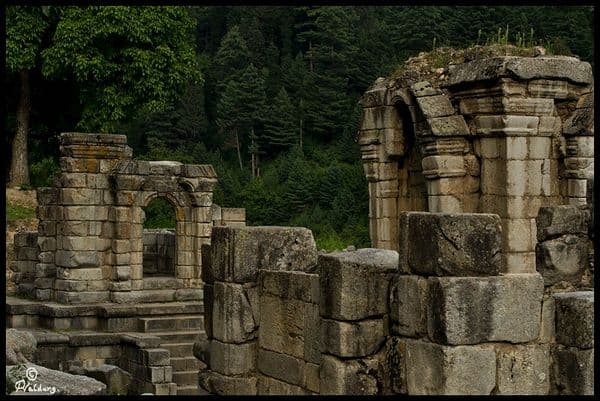
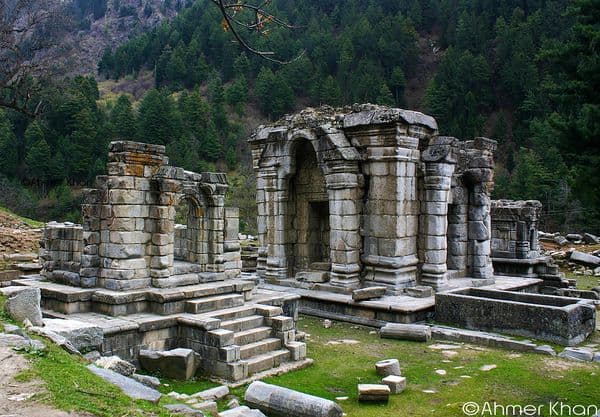
Naranag Temple Ruins are an important early medieval Hindu temple complex in the Wangath valley of Kashmir, generally dated to the 8th–9th century CE (periods associated with the Karkota and later dynasties). The site represents a significant example of early Kashmiri stone temple architecture and was historically a regional Shaiva (Lord Shiva) centre. Located in a dramatic alpine setting, the ruins also mark the cultural interaction between religious architecture and high-altitude Himalayan landscapes and serve as the gateway for treks to Mount Harmukh and Gangabal Lake.
Last updated: 23 Oct 2025
Places to visit
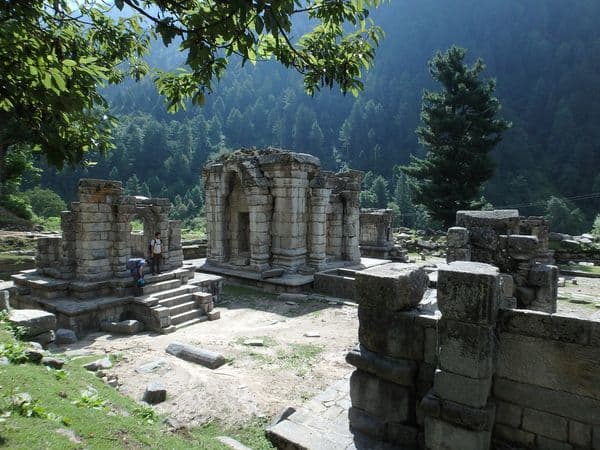
- Ruined temple complex (a cluster of stone shrines and plinths)
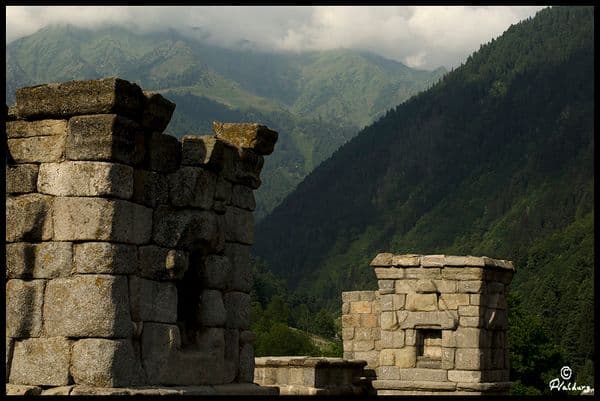
- Intricately carved pillars, capitals and decorative stonework
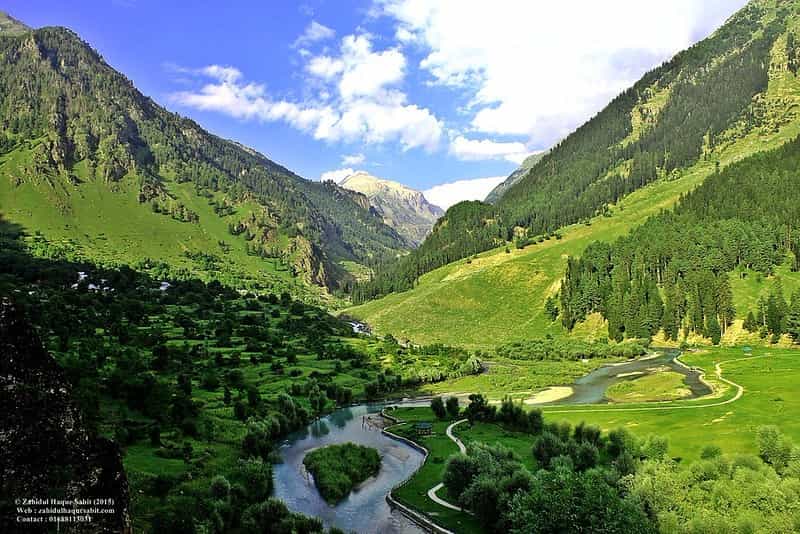
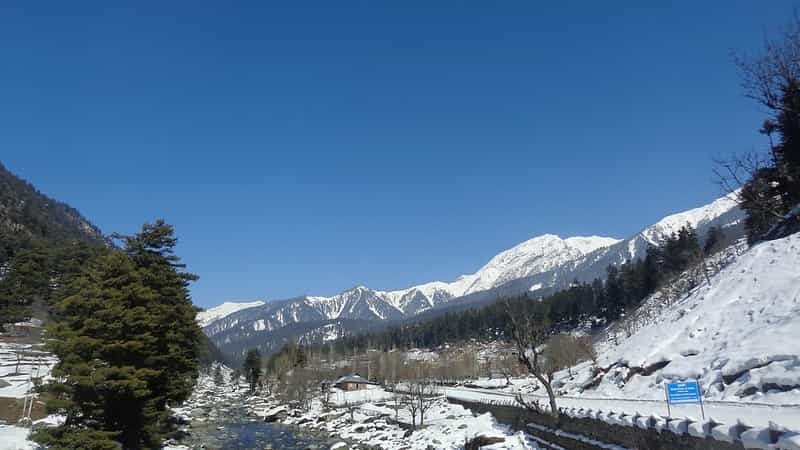
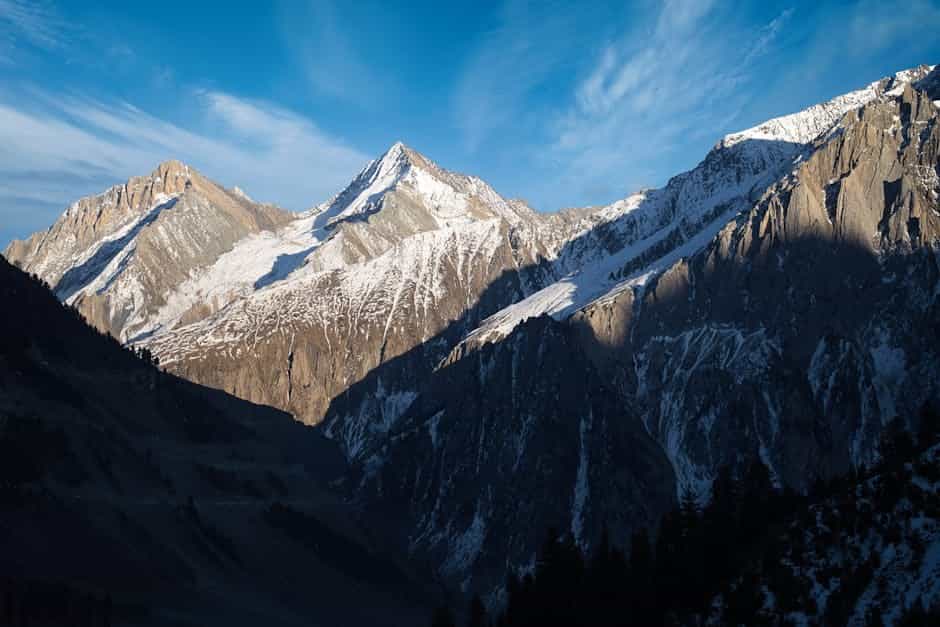
- Panoramic views of the Wangath/Gangabal valley and Mount Harmukh
- Base camp for treks to Gangabal Lake, Satsar lakes and Mount Harmukh
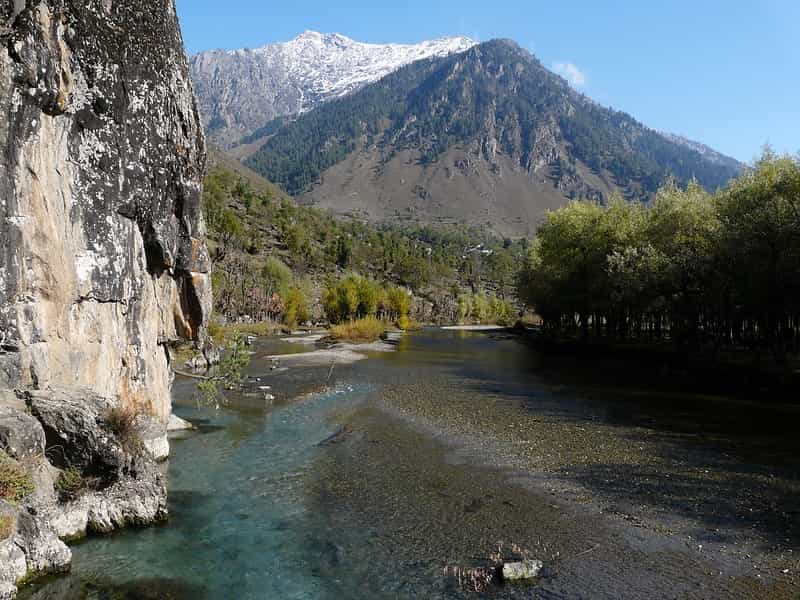
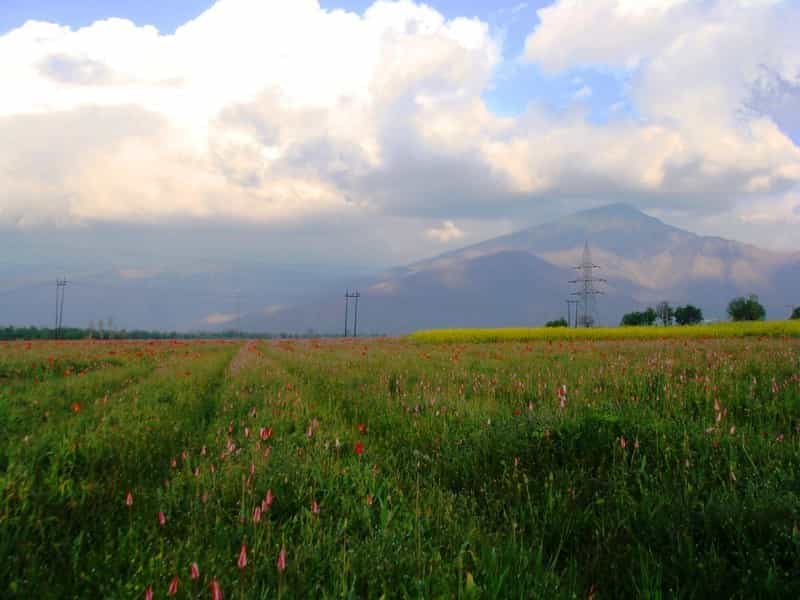
- Scenic nearby meadows, streams and alpine flora
Unique Aspects
- Early medieval Kashmiri stone temple architecture (8th–9th century)
- Stone plinths, carved lintels and surviving sculptural fragments
- High-altitude alpine setting with glacial streams and wildflowers
- Seasonal accessibility — rich summer landscapes, snowbound in winter
Things to do
- Explore and photograph the archaeological remains and carved details
- Short nature walks around the site and along the Sindh/Wangath streams
- Day hikes to nearby viewpoints and alpine meadows
- Multi-day trekking to Gangabal Lake and base climbs of Mount Harmukh
- Birdwatching and enjoying seasonal wildflowers
Best Time to Visit
May to September — late spring through early autumn offers the most reliable access, pleasant daytime temperatures and open trekking routes. Winter (December–March) is usually inaccessible due to heavy snow.
Weather Conditions
Alpine climate: cool summers (approximately 10–20°C by day), cold nights; winters are very cold with heavy snowfall (temperatures can drop below freezing). Weather in the mountains can change rapidly — expect wind and sudden rain or snow at higher elevations.
Entry Fees & Permits
There is generally no formal entry fee. The ruins are open in daylight hours; there are no staffed visitor facilities at the site. If visiting, plan to arrive and leave in daylight — guided visits can be arranged through local guides or tour operators in Srinagar/Kangan.
Accessibility
Nearest major airport: Srinagar International Airport (SXR) — roughly 50–70 km by road depending on route. Road travel from Srinagar to Naranag (via Ganderbal and Kangan) typically takes 1.5–3 hours depending on conditions; the final approach road may be narrow and rough. Public transport may reach nearby towns (Kangan); from there hire a local taxi or arrange pickup. The site is the standard starting point for treks to Gangabal and Mount Harmukh. Mobile network and facilities are limited; petrol, ATMs and medical help are available only in larger towns along the route.
Recommended Duration
Half a day to 1 day to explore the temple ruins and nearby meadows. 2–5 days if you plan multi-day treks to Gangabal Lake or Mount Harmukh.
Clothing & Gear Tips
Layered clothing and a warm outer jacket, windproof/rainproof shell, sturdy hiking boots, sunhat and sunglasses, sunscreen, reusable water bottle, basic first-aid kit. For treks: sleeping bag, tent (if camping), trekking poles and altitude-appropriate gear.
Local Food & Souvenirs
Food options at the site are limited — eat in larger towns (Kangan, Ganderbal or Srinagar) before or after visiting. Try local Kashmiri dishes such as rogan josh, dum aloo and kahwa in nearby towns. Souvenirs: handwoven shawls (pashmina), local woolens, embroidered handicrafts and small carved items available in Srinagar and regional markets.