Shankaracharya Temple (Jyeshteshwara), Kashmir
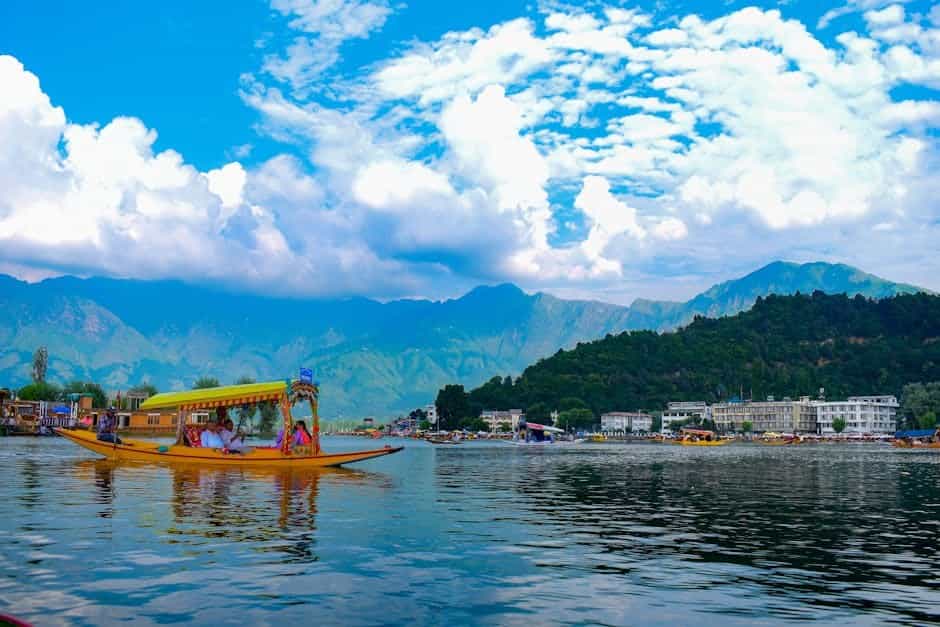
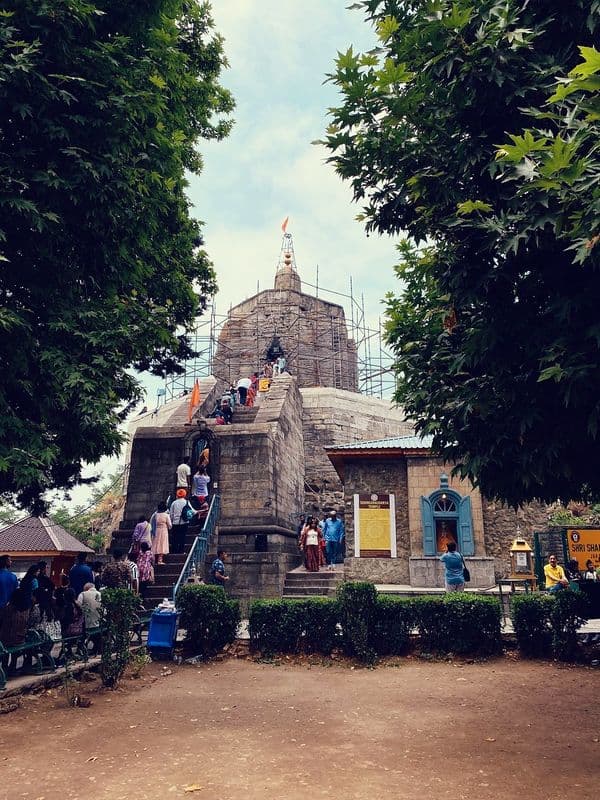
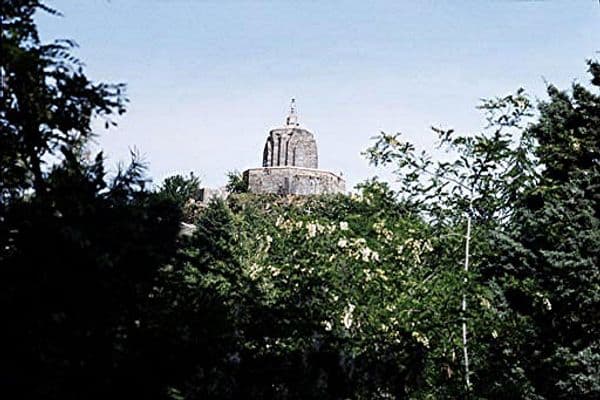
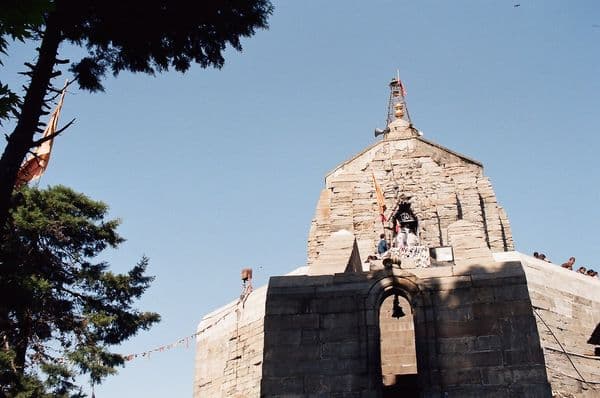
The Shankaracharya Temple (also known historically as Jyeshteshwara) is an ancient Hindu shrine perched on Shankaracharya Hill (Takht-e-Sulaiman) overlooking Srinagar and the Dal Lake. It is an important religious site dedicated to Lord Shiva and is revered by Kashmiri Hindus and pilgrims from across India. The hilltop location has long been a prominent landmark and offers strategic panoramic views of the city, contributing to its cultural and natural significance. The site is associated with early Hindu worship in the Kashmir Valley and with the revival of Advaita Vedanta traditions attributed to Adi Shankaracharya in the 8th century CE.
Last updated: 23 Oct 2025
Historic Anecdotes
Local tradition holds that Adi Shankaracharya visited the site and either renovated the shrine or re-established Vedic worship here, giving the temple its modern name. The hill is also called Takht-e-Sulaiman (Throne of Solomon) in some Muslim traditions, and there are folk stories linking the site to both Hindu sages and local rulers. Legends speak of an ancient lingam (symbol of Shiva) at the core of the sanctuary and of the hill’s sanctity being recognized through successive dynasties.
Places to visit
- The small but ancient Shankaracharya Temple (Jyeshteshwara) shrine
- Panoramic viewpoints over Srinagar city and Dal Lake
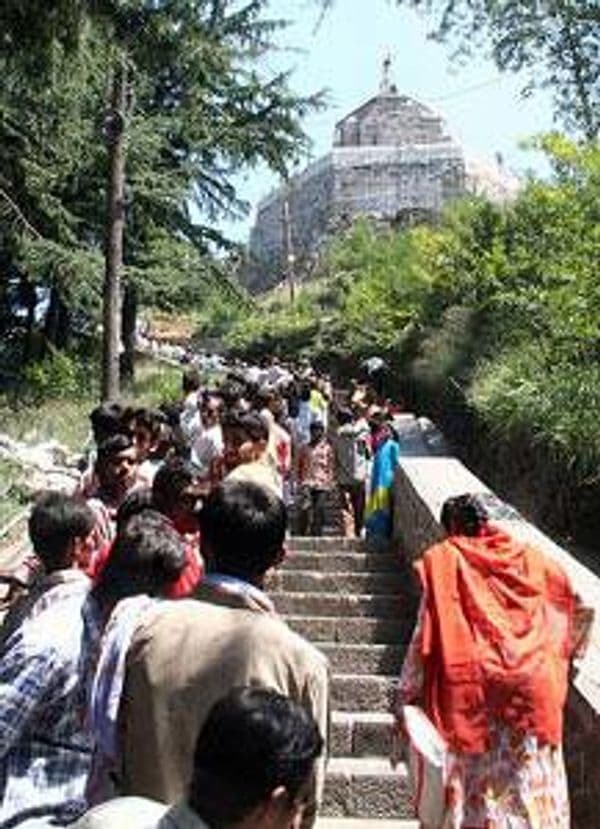
- The fortified hill and its winding stone stairway approach
- Nearby vantage points for photography and city views at sunrise/sunset
Unique Aspects
- Compact, classical Kashmir-style temple architecture built in stone
- Hilltop location providing sweeping views of the valley and Dal Lake
- A network of stone steps, retaining walls and defensive-looking masonry around the hill
- Cultural layering — a place important to both Hindu and local Kashmiri traditions
Things to do
- Darshan (worship) at the ancient Shiva shrine
- Climb the hill via stone steps for exercise and scenic views
- Photography of the cityscape, Dal Lake and surrounding mountains
- Guided or self-led heritage walks through the old city lanes that lead to the hill
- Birdwatching and enjoying local flora on and around the hill slopes
Festivals & Events
- Maha Shivaratri — major observances and increased pilgrim visits
- Regular daily pujas and occasional community rituals
- Heritage walks and photography outings organized by local groups (seasonal)
Best Time to Visit
Best time: April to October (spring, summer and early autumn) when walking paths and views are clear. Winters can bring snow and slippery steps, making access difficult.
Weather Conditions
Srinagar has temperate summers and cold winters. Typical summer daytime temperatures range from mild to warm; winters are cold with possible snowfall. Bring layers — mornings and evenings can be chilly even in warmer months.
Entry Fees & Permits
Entry: Generally free (small donations are welcome). Typical opening hours: early morning to evening (roughly dawn to dusk). Timings may change during festivals — check locally before visiting.
Accessibility
Nearest airport: Srinagar (Sheikh ul-Alam).** Access:** Drive or take local transport to the base of Shankaracharya Hill from central Srinagar. From the base, access to the temple requires climbing stone steps — the summit is not wheelchair accessible. Local taxis, auto-rickshaws and buses serve routes into Srinagar; the final ascent is on foot via steps and short pathways.
Recommended Duration
Plan for 1–2 hours (including time for climbing, darshan, photos and a short rest at the summit viewpoint).
Clothing & Gear Tips
Wear comfortable, sturdy walking shoes for the stone steps and bring warm layers, sun protection (hat/sunscreen) and modest clothing suitable for a religious site. Carry water and a small first-aid kit if you have mobility concerns.
Local Food & Souvenirs
Try Kashmiri specialties in Srinagar such as Kahwa (green tea) and traditional Wazwan dishes when exploring the city. Popular souvenirs include Pashmina shawls, saffron, papier-mâché items, walnut wood crafts and dried fruits. Purchase from reputable shops in the city markets near Dal Lake or Lal Chowk.