Edakkal Caves prehistoric petroglyphs
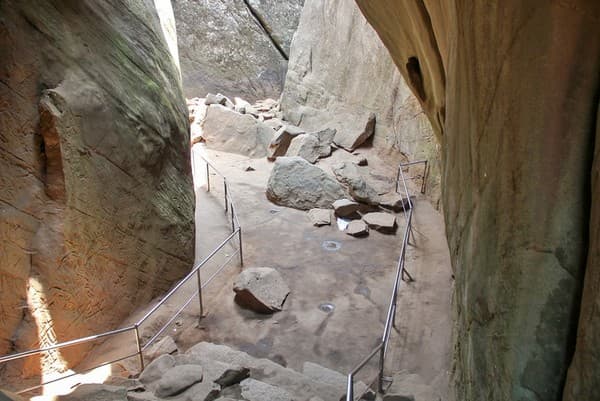
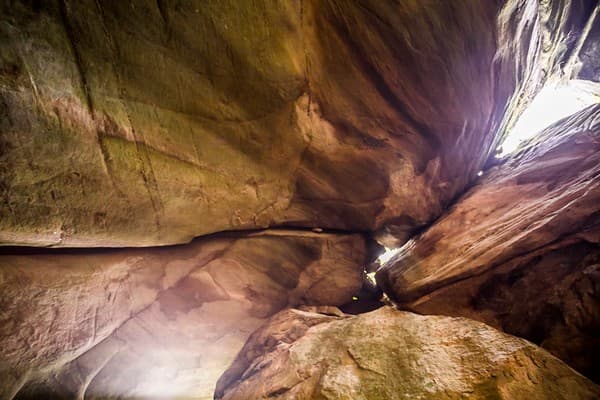
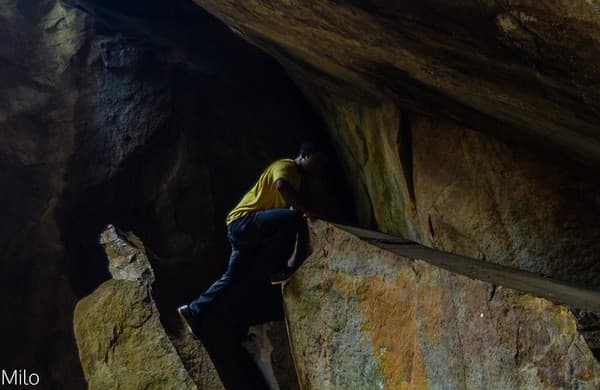
Edakkal Caves on Ambukuthi Mala in Wayanad, Kerala, are famous for their prehistoric petroglyphs — engravings carved into the rock that date back to the Neolithic and possibly earlier periods. The site consists of two natural caves on a steep slope and a short, moderately steep trek up the hill. The carved symbols include human and animal figures, tools, geometric shapes, and script-like markings. The site is important archaeologically and culturally, offering insight into early human settlement and artistic expression in the Western Ghats.
Location
Edakkal Caves (Ambukuthi Mala), Wayanad (near Sultan Bathery / Kalpetta), India
Duration
2–3 hours (including trek and exploration)
Best Time to Visit
October to May (cool, dry season); avoid heavy monsoon months (June–September) when the trail can be slippery.
Pricing
Approximate entry fees: INR 20–50 for Indian visitors; INR 100–200 for foreign visitors. Local guide fees: INR 100–300 (optional). Note: prices and permit rules are subject to change; confirm locally or at the Wayanad tourism office.
Activity Type
Coordinates
Highlights
Ancient petroglyphs depicting humans, animals, tools, and geometric motifs
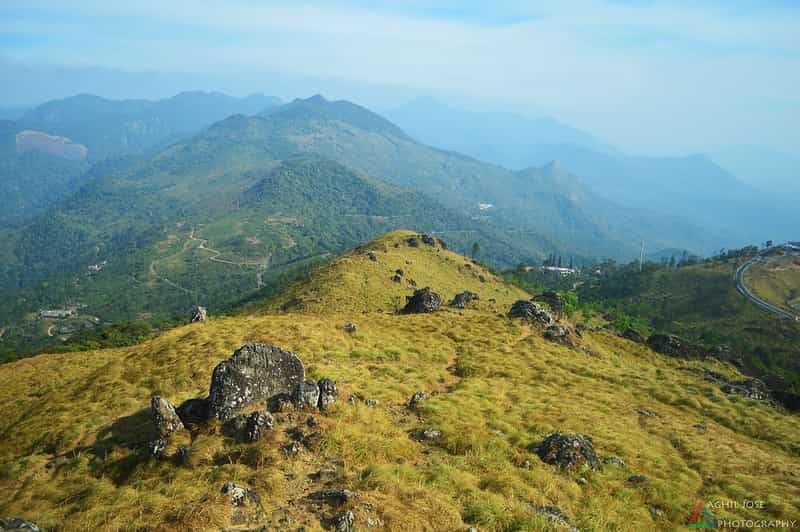
Panoramic views of the Wayanad hills and valleys from Ambukuthi Mala
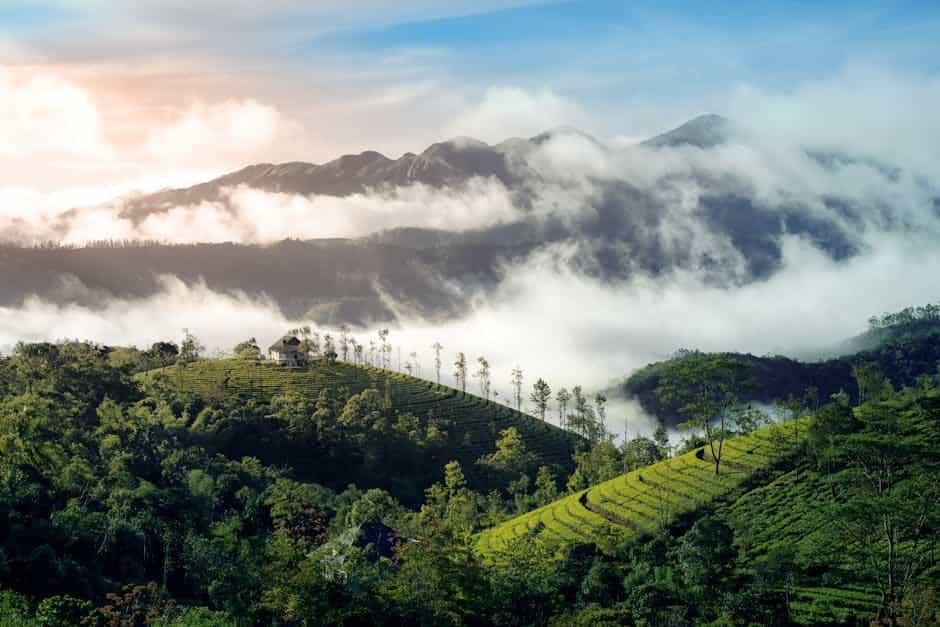
Short, scenic trek through tropical forest and spice plantations
Archaeological significance — evidence of Neolithic and possibly earlier human activity
Opportunity to hire local guides who can explain the engravings and local folklore
Itinerary
Reach the Edakkal visitor area / parking. Purchase entry tickets and, if desired, hire a local guide.
There is limited parking; arrive early in peak season to avoid crowds.
Follow the marked trail up Ambukuthi Mala. The path includes steps and rocky sections.
Trail is moderately steep; take breaks and carry water.
Explore the two main caves and study the petroglyph panels.
Photograph carefully (avoid flash on fragile surfaces), and do not touch the engravings.
Discuss findings with a guide or read onsite information panels. Enjoy views and resting spots.
Bring snacks and sun protection if visiting in the daytime.
Descend to the base and depart or visit nearby attractions such as local spice gardens or Wayanad Heritage Museum.
Watch your footing on the way down, especially after rains.
Safety Requirements
Wear sturdy, closed-toe shoes with good grip; the trail is rocky and can be slippery.
Carry sufficient water and some snacks; no shops on the trail.
Avoid touching or leaning on the petroglyph surfaces to prevent damage.
Follow Archaeological Survey of India (ASI) and local guide instructions; respect restricted areas.
Not recommended for visitors with severe mobility issues due to steep steps and uneven ground.
Tips
Start early in the morning to avoid crowds and midday heat.
Hire a knowledgeable local guide — they can point out faint engravings and explain local history.
Carry a camera, but avoid using flash directly on rock art; use natural light and steady hands.
Wear sun protection and insect repellent; weather can change quickly in the hills.
Combine the visit with other Wayanad attractions like Banasura Sagar Dam, Pookode Lake, and spice plantations.