Thattekad (Salim Ali) Bird Sanctuary birding
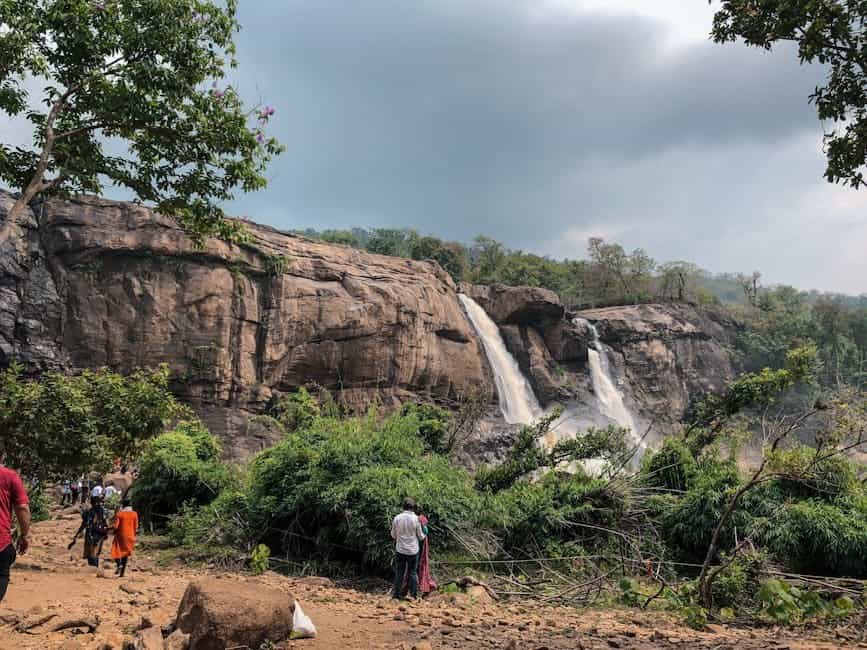
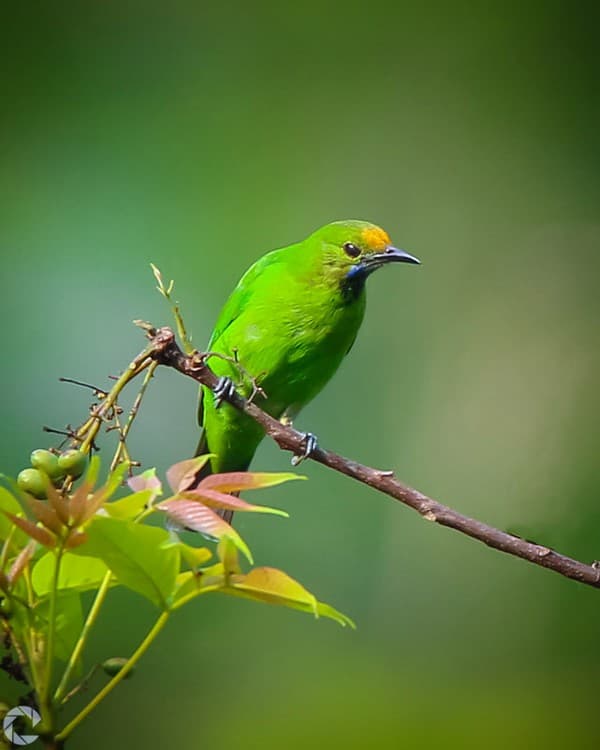
Thattekad Bird Sanctuary (Salim Ali Bird Sanctuary) is one of Kerala's premier birding sites, set in lowland evergreen forest along the Periyar river system in Ernakulam district. Named after the famed ornithologist Dr. Salim Ali, the sanctuary is compact but rich in western-ghats endemics, resident woodland species and seasonal migrants — making it ideal for both first-time and experienced birders.
Location
Thattekad (Thattekkad) Bird Sanctuary (Salim Ali Bird Sanctuary), Thattekad / near Kothamangalam, Ernakulam district, India (Kerala)
Duration
Half-day (3–4 hours) to full day (6–8 hours); multi-day visits recommended for serious birders
Best Time to Visit
Nov to March (dry season and peak winter migrants). Monsoon months (June–September) are lush but wet — bird activity is good for some species but trails may be slippery and leeches/mosquitoes are common.
Pricing
Approximate fees (subject to change): Entry: INR 20–100 (lower for Indian citizens, higher for foreign visitors). Camera fee: INR 50–200 depending on equipment. Guide fee: INR 500–1500 for a half-day local guide (shared rates often available). Note: exact fees vary; confirm locally or at the sanctuary gate.
Activity Type
Coordinates
Highlights
Western Ghats endemics: Malabar Grey Hornbill, Malabar Trogon, Malabar Whistling Thrush
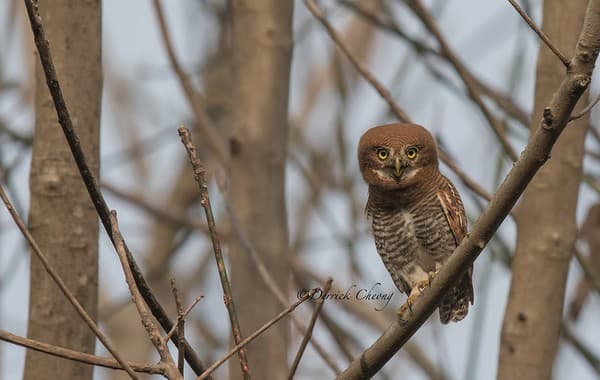
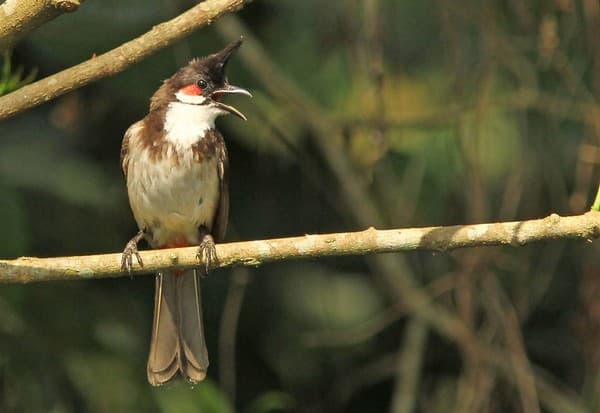
Excellent resident woodland birds: White-bellied Treepie, Sri Lanka Frogmouth (occasionally reported), Racket-tailed Drongo, Oriental Magpie-Robin, various bulbuls and kingfishers
Migrants & seasonal visitors: Indian Pitta and other winter migrants (best Dec–Feb)
Forest experience: Dense evergreen canopy, river-edge habitats, and good chances of hearing/seeing skulking understory species
Accessible trails & interpretation centre: Small museum/interpretation panels about Salim Ali and local ecology (check opening times)
Itinerary
Early-morning guided walk along forest trails
Start before sunrise for peak bird activity; target canopy species and early feeders. Carry binoculars and a field guide or app.
Rest, visit the information/interpretation centre
Refresh, check checklists from local guides, and plan afternoon session if staying longer.
Late-afternoon walk or stake-out at known fruiting trees/river edges
Some hornbills and trogons are more active later in the day; good light for photography.
Dusk/night birding
Guided night walks for owls, frogmouths and nightjars (only with an authorized guide and permission). Use red-filtered lights and avoid flash.
Safety Requirements
Carry ample water, sunscreen and a hat — humidity can be high.
Sturdy, closed shoes with good grip for uneven or muddy trails.
In monsoon, be prepared for leeches; insect repellent and long socks help.
Follow sanctuary rules: stick to trails, avoid loud noises, and do not disturb nests or wildlife.
If doing night birding, ensure you go with an authorized local guide and have good lighting and a charged phone.
Tips
Hire a local guide — they know secret spots, identification tips and the sanctuary rules.
Start before sunrise for best bird activity; mid-morning quiet periods are normal.
Carry opticals — binoculars (8x42) and a spotting scope if you’re into photography or distant views.
Respect wildlife — no flash photography at roosts, keep distance from nests and feeding birds.
Accommodation & access: Base yourself in Thattekad village or Kothamangalam; roads are generally accessible by car. Public transport options are limited, so plan transfers in advance.
Field checklist: Bring a Western Ghats bird guide or app; record sightings — local guides often appreciate shared lists.
Weather-ready: Pack lightweight rain gear in pre/post-monsoon months, and insect repellent year-round.