Chinnar Wildlife Sanctuary, Kerala
Chinnar Wildlife Sanctuary (est. 1984) is a protected area in the rain-shadow region of the southern Western Ghats in Idukki district, Kerala. It preserves a unique dry deciduous, thorny scrub and riverine ecosystem that is distinct from the wet evergreen forests on the western slopes. The sanctuary is part of the broader Anamalai–Chinnar landscape and supports several threatened and endemic species, making it important for biodiversity conservation, ecological research, and landscape-level wildlife connectivity in the Western Ghats.
Last updated: 23 Oct 2025
Places to visit
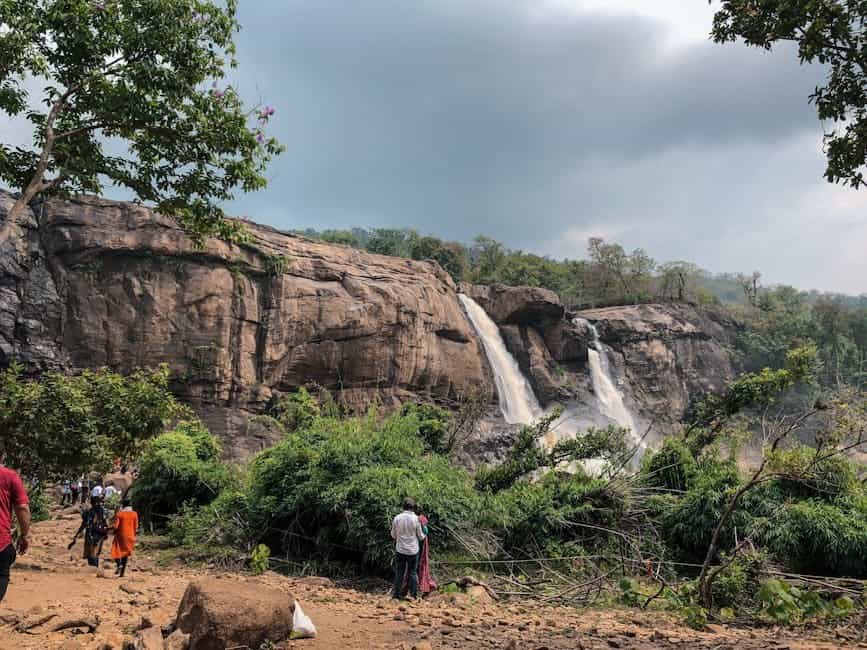
- Thoovanam Waterfalls and the Thoovanam trek
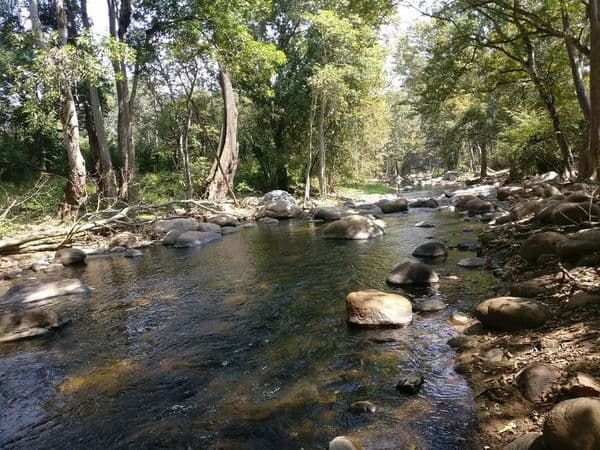
- Chinnar River and scenic river valleys
- Watchtowers and guided wildlife drives/treks
- Marayoor sandalwood forests and ancient dolmens (nearby)
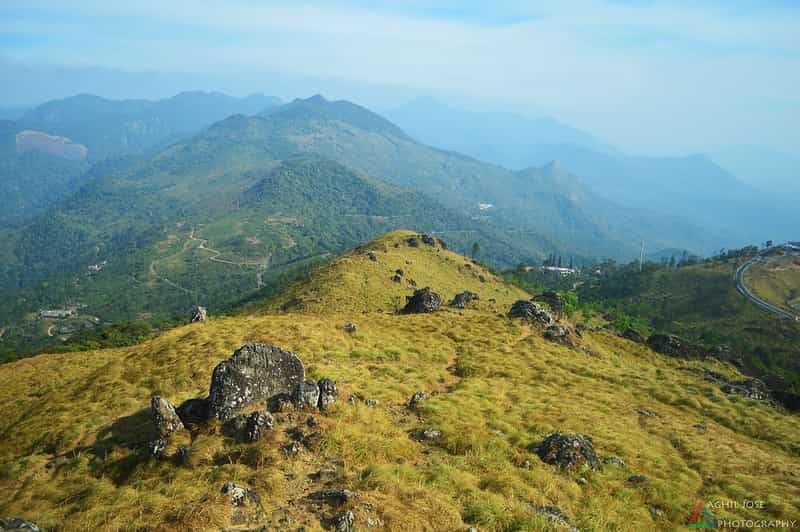
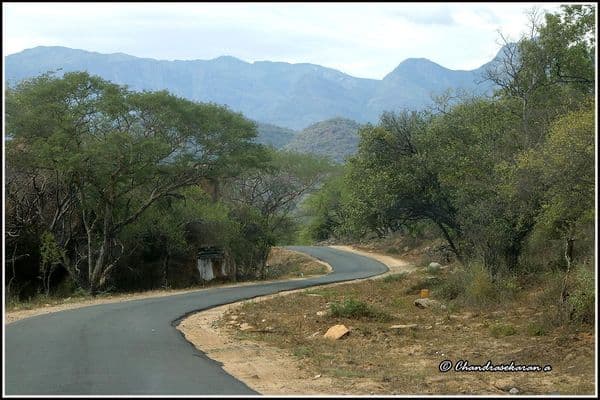
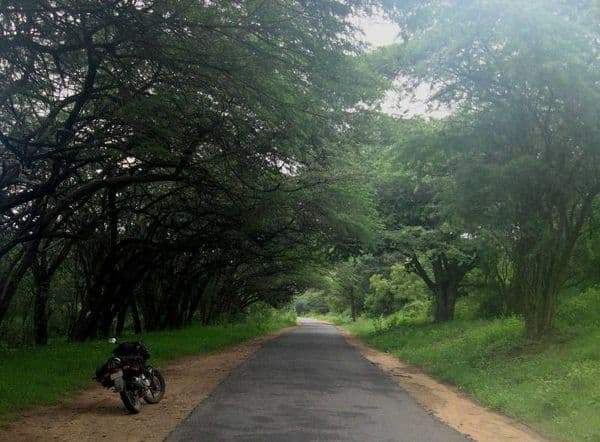
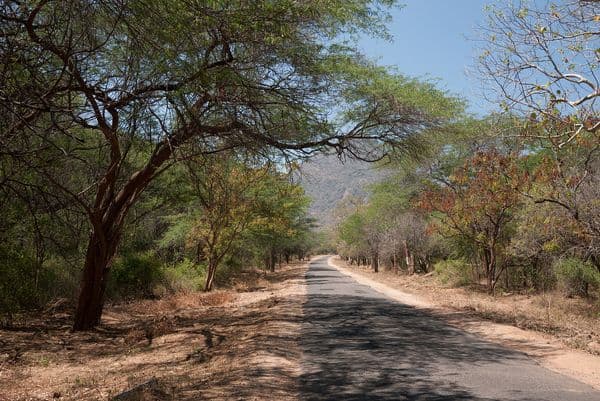
- Distinct dry thorn-scrub and grassland mosaic landscapes
Unique Aspects
- Rain‑shadow thorny scrub and dry deciduous forest within the Western Ghats
- Habitat for the Indian star tortoise and grizzled giant squirrel (noted sightings in the landscape)
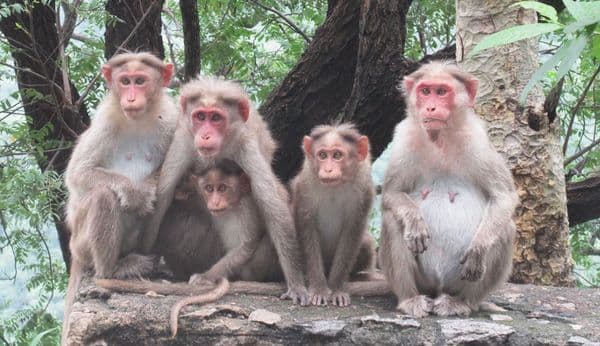
- Rich assemblage of large mammals: gaur, sambar, barking deer, leopard and occasional elephants
- Important birdlife and reptiles adapted to dry habitats
- Riverine habitats with seasonal pools that support amphibians and aquatic birds
Things to do
- Guided wildlife walks and watchtower visits
- Thick forest and river-edge treks including Thoovanam Falls trek
- Birdwatching and reptile spotting
- Photography of landscapes, wildlife and local culture
- Visiting nearby Marayoor (sandalwood groves and prehistoric dolmens)
Best Time to Visit
September to May (post‑monsoon to winter/early summer) — trails are best after the monsoon when rivers are full but paths have dried; avoid heavy monsoon months (June–August).
Weather Conditions
Dry, warm to hot during summer months (March–May); pleasant and cooler in winter (November–February). Monsoon (June–September) brings heavy rains in the Western Ghats, though Chinnar is on the drier side of the range.
Accessibility
Nearest settlements: Marayoor village is the closest gateway (few kilometres); Munnar is the nearest major hill station (roughly 50–80 km depending on route). Nearest major airports: Madurai (Tamil Nadu) and Kochi/Cochin (Kerala) — travel time varies. Road access via Marayoor; public transport limited—private vehicle or taxi recommended. Advance planning is needed for guided treks and permits.
Recommended Duration
1–2 days for Chinnar itself; 2–3 days if combining with Marayoor and nearby Munnar/Eravikulam attractions.
Clothing & Gear Tips
Light, breathable long-sleeve clothing for sun and insect protection; sturdy hiking shoes or boots; sunhat, sunscreen, rain jacket (if visiting shoulder‑monsoon months); insect repellent; binoculars and camera with telephoto lens for wildlife.
Local Food & Souvenirs
Try local Kerala/Tamil Nadu mountain cuisine in nearby villages and homestays. Marayoor is known for authentic sandalwood products, honey and tribal handicrafts—purchase from authorised vendors to ensure legality and sustainability.