Chottanikkara Temple, Kerala
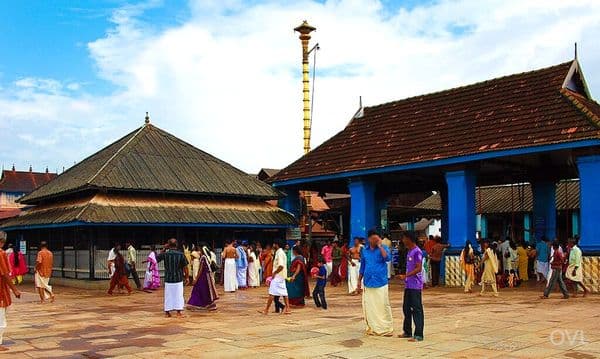
Chottanikkara Temple is one of Kerala's most important and widely visited Hindu temples, dedicated to the Goddess Bhagavathy (often worshipped as Rajarajeswari/Chottanikkara Amma). It serves as a major center of Shakti worship and is culturally significant across Kerala for its rituals, traditional rites, and role in local pilgrimage circuits. The temple is widely known for its compassionate reputation: devotees believe the deity helps cure mental disorders and cases of spiritual possession. The temple complex reflects traditional Kerala temple architecture and plays an active role in preserving local religious customs.
Last updated: 23 Oct 2025
Historic Anecdotes
Local legend holds that the deity of Chottanikkara manifested in different moods—fierce by night and benevolent by day—and that many afflicted by possession or mental distress found relief after seeking the goddess's help. Folklore also links the temple to stories of miraculous recoveries and the presence of protective spirits turned benevolent by the deity. These stories have shaped the temple's reputation as a place of spiritual healing.
Places to visit
- Sanctum of Chottanikkara Bhagavathy (main deity)
- Sub-shrines within the complex (including Lord Ayyappa/Sastha and other deities)
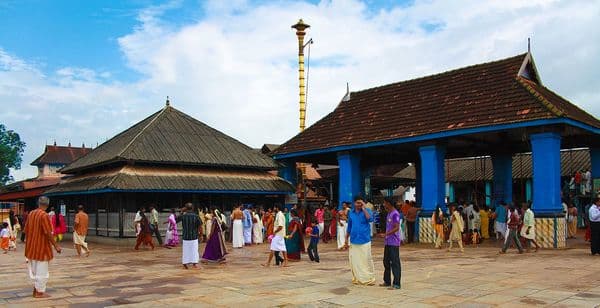
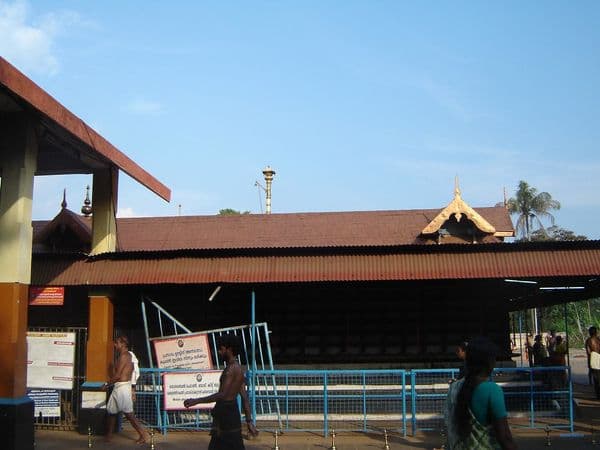
- Traditional temple architecture and ornate woodwork
- Temple pond and ceremonial mandapam (assembly hall)
Unique Aspects
- Famous healing traditions and rituals associated with mental health and possession
- Daily poojas and bhajans in the Kerala tantric tradition
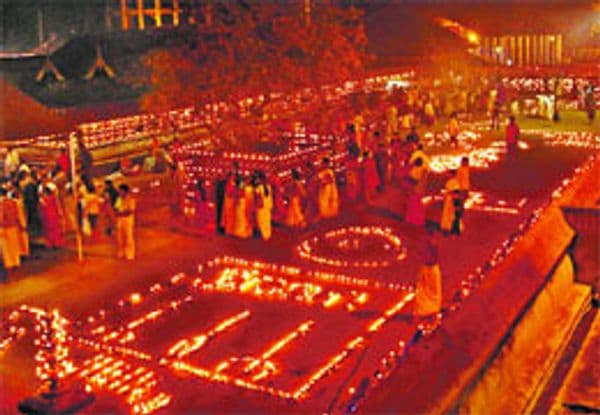
- Vibrant festival celebrations (especially during Navaratri)
- Kerala-style temple art, lamps, and ceremonial processions
Things to do
- Darshan (viewing the main deity) and participation in daily poojas
- Booking or observing special sevas/rituals performed at the temple
- Walking the temple complex, viewing traditional architecture and carvings
- Seeking counsel from temple officials or traditional healers where available
Festivals & Events
- Navaratri (major festival with special rituals and large pilgrim turnout)
- Annual temple festival (local name and schedule vary; draws devotees from across Kerala)
- Weekly and monthly observances in line with Hindu calendar and local traditions
Best Time to Visit
The best time is outside the monsoon season—typically October to March—and especially during festival periods such as Navaratri if you want to experience major rituals. Avoid heavy monsoon months (June–September) if you prefer dry weather.
Weather Conditions
Tropical coastal Kerala climate: warm and humid most of the year, with heavy rains in the monsoon season (June–September). Evenings can be pleasant from October to February.
Entry Fees & Permits
General darshan is typically free. Specific sevas, special rituals, or guided services may carry fees—these are set by the temple administration and can change. Temples usually open in the early morning and reopen in the evening for a second session; check local or official temple sources for current timings before visiting.
Accessibility
Chottanikkara is located in Ernakulam district near Kochi (often reached from suburbs like Thripunithura). It is accessible by road with frequent buses and taxi/auto services from Kochi and nearby towns. The nearest major airport is Cochin International Airport (Kochi) and the nearest major railway stations are in Ernakulam/Kochi—both require a short drive to the temple. Facilities for parking and basic visitor amenities are commonly available near the temple complex.
Recommended Duration
Plan for 2–4 hours to complete darshan, visit sub-shrines, and participate in or observe rituals; longer stays are common during festivals.
Clothing & Gear Tips
Wear modest, traditional attire to respect temple customs (men: dhoti/long trousers; women: saree or salwar/kurta). Footwear must be removed before entering temple precincts. Carry a shawl or light cover if needed for modesty.
Local Food & Souvenirs
Try nearby Kerala vegetarian offerings such as traditional payasam and local snacks at eateries around the temple. Souvenirs typically include sandalwood items, camphor, incense, devotional photos or murtis, brass lamps, and other puja-related items available at stalls near the temple.