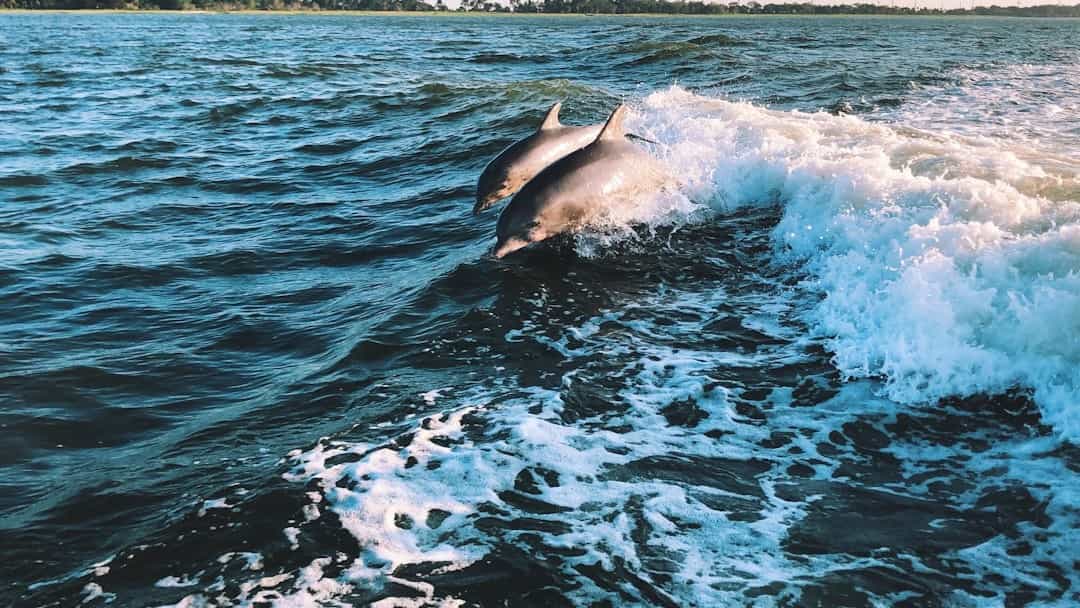
Kannur, Kerala
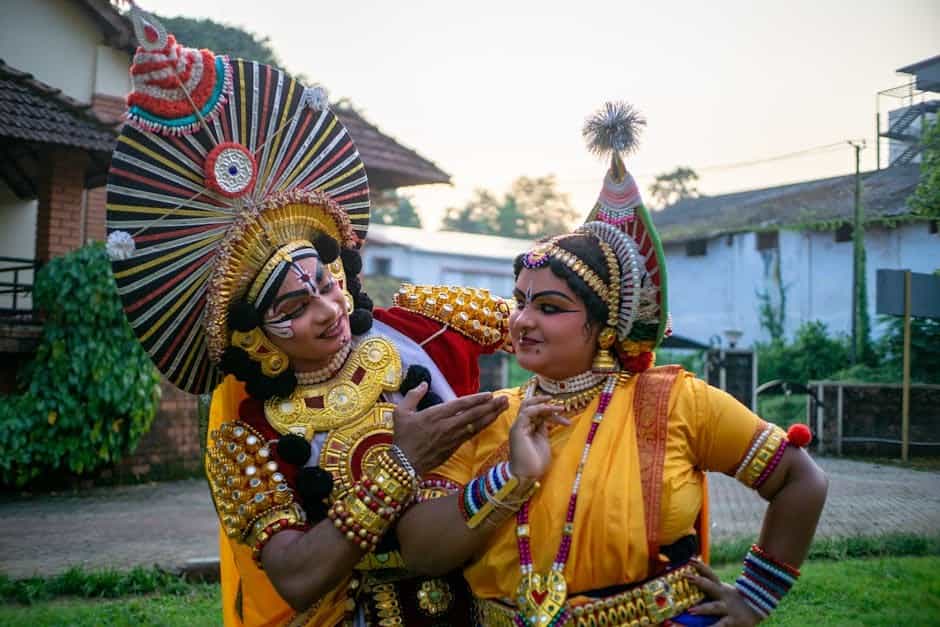
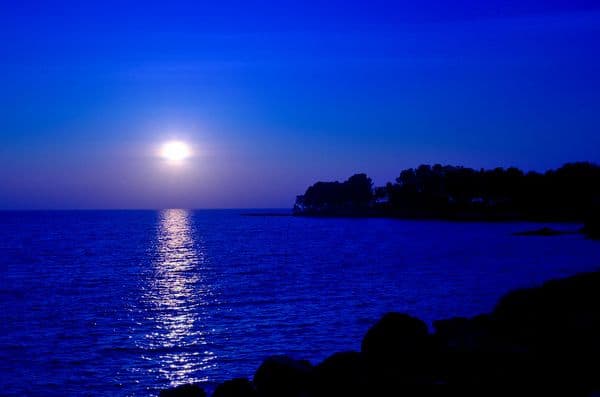
Kannur (formerly Cannanore) is a coastal city in northern Kerala with rich historical, cultural and natural significance. Historically it was an important trading port on the Malabar Coast and a strategic site during colonial periods — home to Portuguese, Dutch and British forts (notably St. Angelo Fort). Culturally Kannur is a stronghold of traditional performing arts of Kerala, especially Theyyam, which preserves ancient ritual, costume and folk narratives. Naturalscapes include long sandy beaches, coastal wetlands, islands and nearby Western Ghats hill tracts, supporting diverse marine and birdlife.
Last updated: 23 Oct 2025
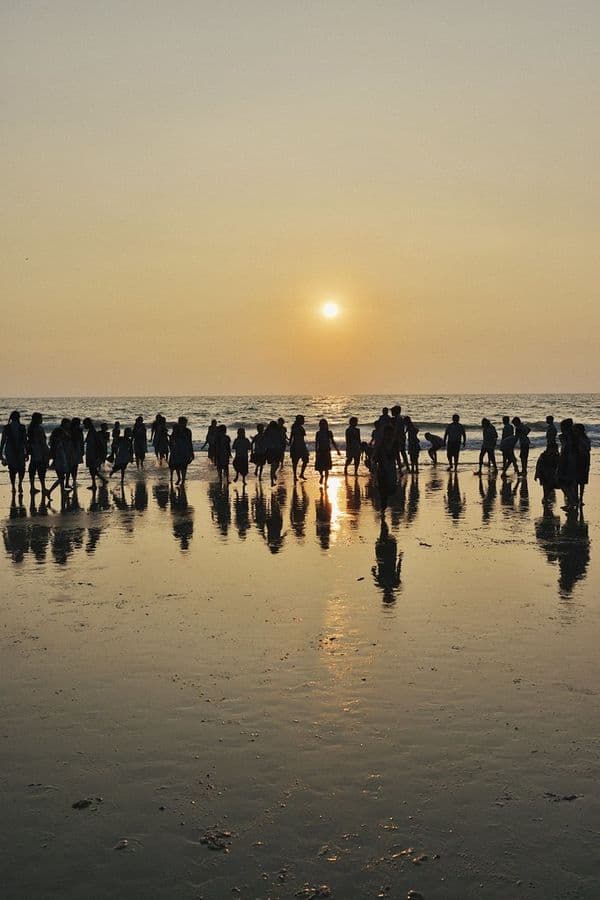
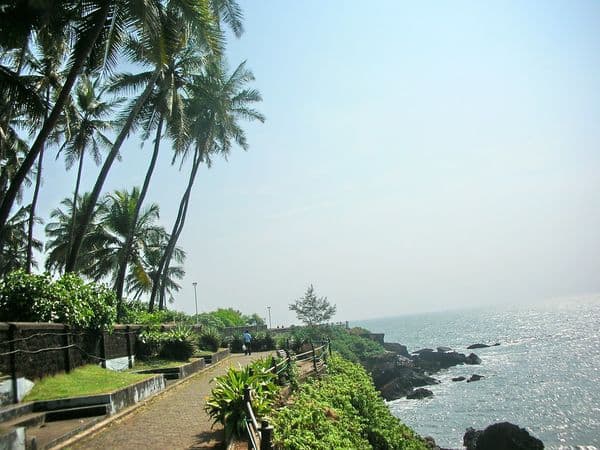
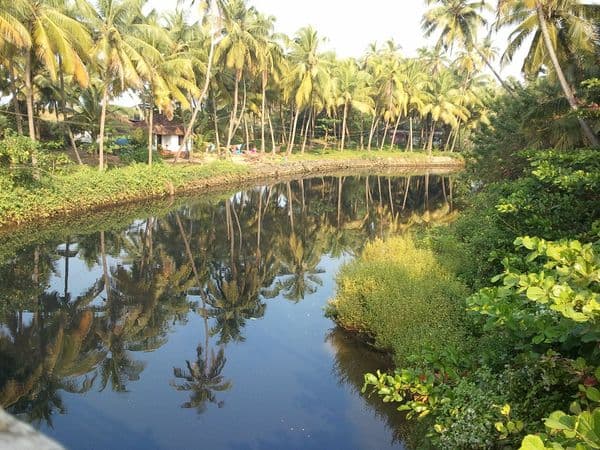
Places to visit
- St. Angelo Fort (Kannur Fort)
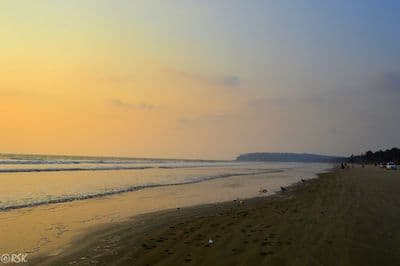
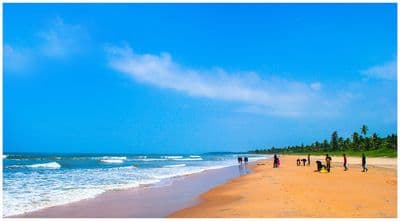
- Muzhappilangad Drive-in Beach
- Payyambalam Beach
- Parassinikkadavu Muthappan Temple and Snake Park
- Arakkal Museum and the Arakkal Palace (only Muslim royal family of Kerala)
- Dharmadam Island
- Kadalayi Sreekrishna Temple
- Kannur Lighthouse
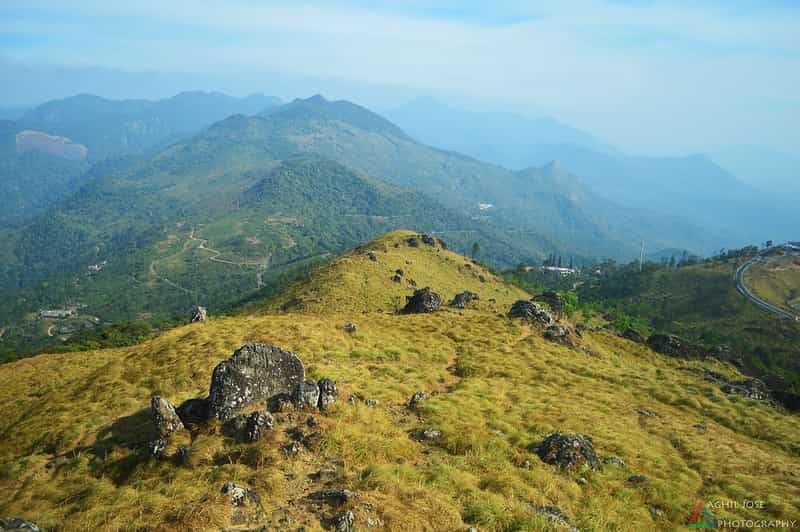
- Paithalmala (hill station and trekking area)
- Thottada Beach and Promenade
Unique Aspects
- Muzhappilangad: one of India’s longest drivable beaches (approx. 4 km)
- Vibrant Theyyam ritual performances (distinctive costumes, face painting, ritual dances)
- Colonial architecture and sea-facing fortifications at St. Angelo
- Rich Malabar coastal cuisine and seafood specialties
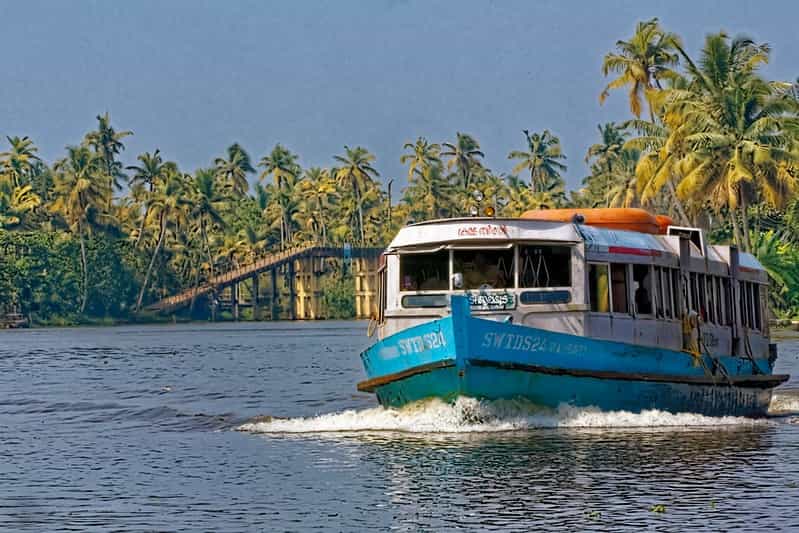
- Interplay of coastal ecosystems — beaches, backwaters and nearby Western Ghats biodiversity
Things to do
- Watch an authentic Theyyam performance (seasonal, consult local calendars)
- Drive along Muzhappilangad Beach or relax at Payyambalam Beach
- Explore St. Angelo Fort and coastal viewpoints
- Visit Arakkal Museum and learn about Malabar maritime history
- Trek to Paithalmala for hill views and nature walks
- Boat or short island visit to Dharmadam for birdwatching and calm waters
- Sample local Malabar dishes and street food (Thalassery/Kannur biryani, seafood, pathiri)
- Attend temple festivals and local markets for handicrafts
Festivals & Events
- Theyyam season (generally November to May) — temple ritual performances across Kannur district
- Onam and Vishu — major Kerala festivals celebrated with local variations
- Local temple annual festivals (various dates by temple) showcasing processions and rituals
- Cultural events and heritage walks organized seasonally by local tourism groups
Best Time to Visit
October to February (cooler, dry weather and best for festivals and outdoor activities). Avoid heavy monsoon months (June–September) for beach-driving and trekking; still attractive for monsoon scenery if prepared.
Weather Conditions
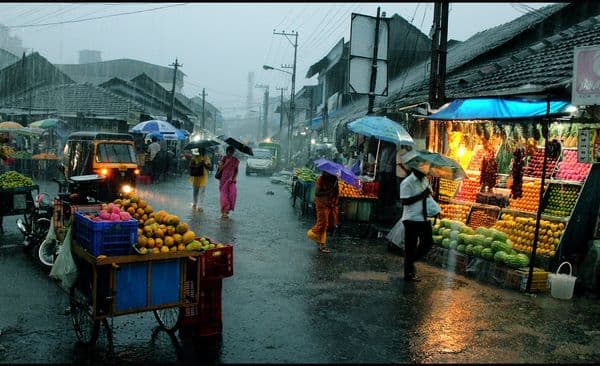
Tropical coastal climate: hot and humid most of the year, peak heat March–May, southwest monsoon June–September and northeast monsoon October–November with heavy rains; pleasant cooler evenings in December–January.
Accessibility
Kannur is accessible by air, rail and road: Kannur International Airport (CNN) ~25–30 km from city center; Kannur Railway Station is on the Konkan Railway and well-connected to major cities; regular state-run and private buses connect Kannur to neighboring towns and cities via NH66. Local transport: taxis, app-cabs, auto-rickshaws and local buses. Many attractions are reachable by short drives; some rural temples and Theyyam venues may require walking on uneven paths—plan accordingly.
Recommended Duration
2–4 days for a focused visit to major beaches, the fort, a museum and a Theyyam experience; 4–7 days to include hill trekking (Paithalmala), island trips and a relaxed exploration of coastal cuisine and nearby towns.
Clothing & Gear Tips
Light cotton clothing for daytime, a light jacket for cooler evenings in winter, good walking shoes for forts and trekking, sun protection (hat, sunglasses, sunscreen), rain gear during monsoon. Dress modestly when visiting temples (shoulders and knees covered) and follow local customs.
Local Food & Souvenirs
Must-try foods: Thalassery/Kannur biryani, Malabar seafood specialties (fish, prawns, mussels), pathiri (rice flatbreads), banana chips and local sweets. Souvenirs: spices (pepper, cardamom), handloom textiles and mundus, coir and cane handicrafts, locally made snacks and Theyyam-related crafts or photographs (respect cultural sensitivities when buying ritual items).