Kuttanad (Backwater Region), Kerala
Kuttanad — the 'Rice Bowl of Kerala' is one of the few places in the world where farming is done below sea level. It is a culturally rich backwater region centered around the vast Vembanad Lake and an intricate network of canals, lakes and paddy fields. Kuttanad's landscape, traditional agrarian lifestyle, boat-building and fishing practices, and wetland ecosystems make it important both environmentally and culturally. The region supports unique wetland biodiversity (fish, migratory birds, and aquatic plants) and represents centuries-old water-management and farming techniques (bunds, polders) adapted to tidal and monsoon rhythms.
Last updated: 23 Oct 2025
Places to visit
- Vembanad Lake (largest lake in Kerala) and extensive backwater canals
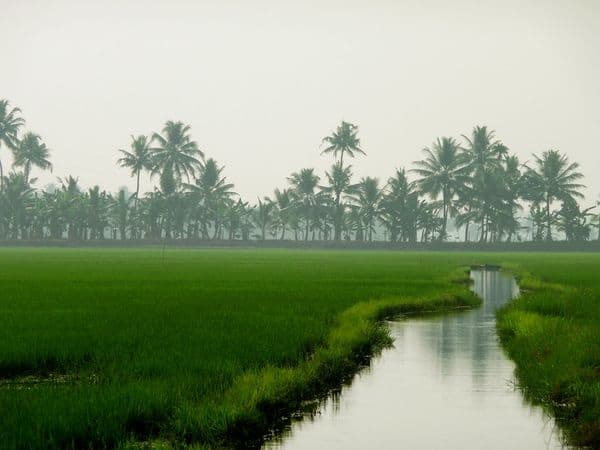
- Paddy fields of Kuttanad — unique below-sea-level farming landscape
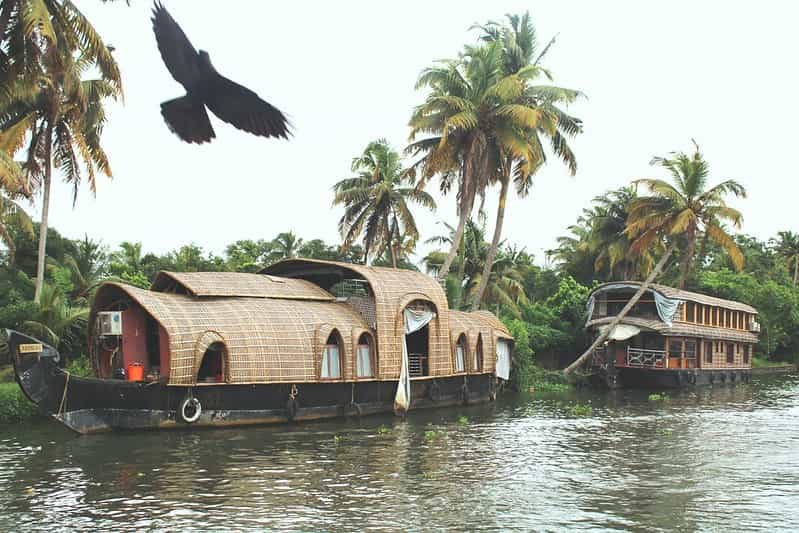
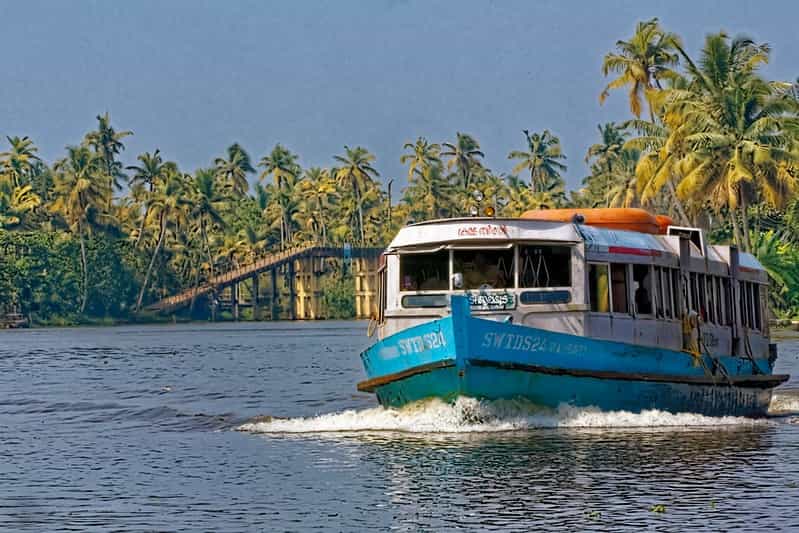
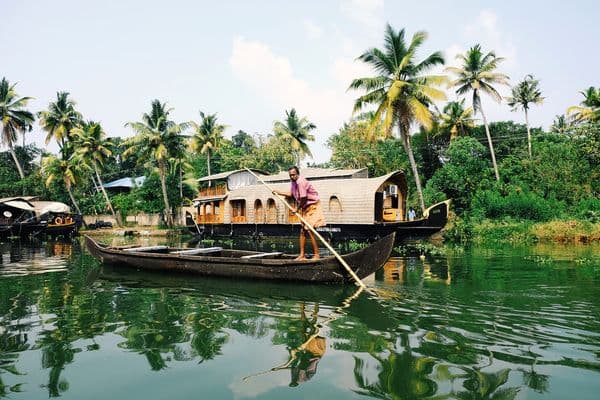
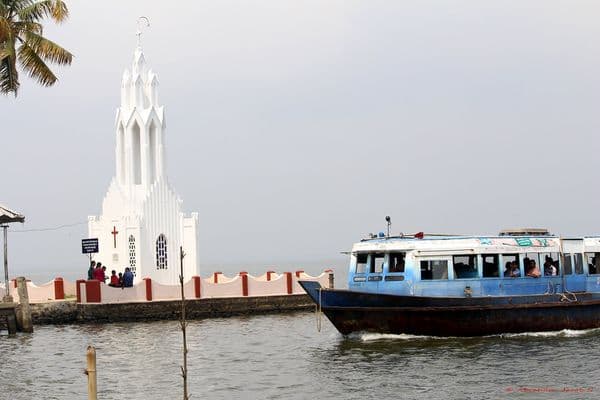
- Houseboat (kettuvallam) cruises through villages and waterways
- Alappuzha (Alleppey): gateway town with beaches, coir industry and boat races
- Kumarakom Bird Sanctuary (nearby) — important stop for migratory birds
- Pathiramanal island and small backwater islets
- Traditional fishing villages and coir weaving workshops
Unique Aspects
- Agriculture conducted below mean sea level using an intricate bund system
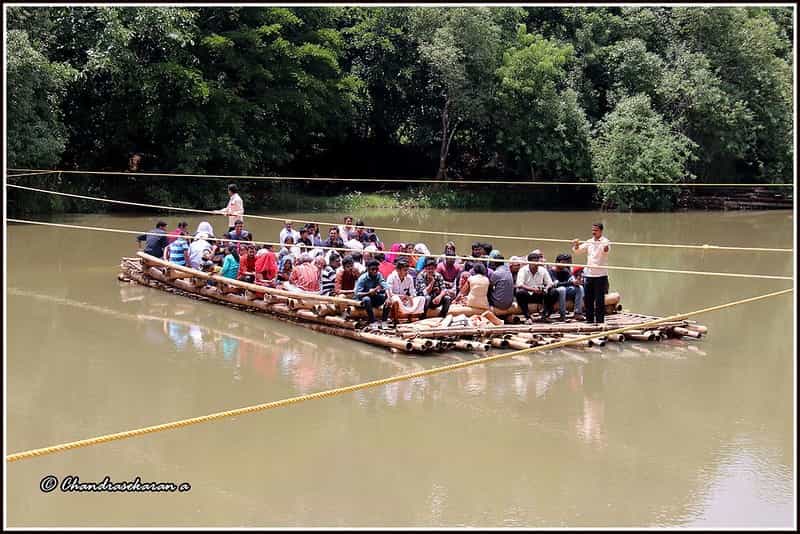
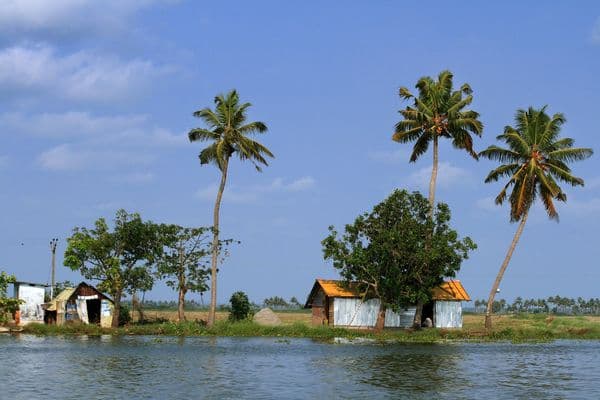
- Dense network of canals, lagoons and backwaters connecting villages
- Rich birdlife, especially in winter — migratory waterfowl and resident species
- Traditional snake boat (vallam kali) culture and annual races
- Picturesque sunrise/sunset over paddy fields and water, ideal for photography
Things to do
- Houseboat cruises (overnight and day options) for relaxation and scenery
- Canoe/kayak rides with local guides to explore narrow canals
- Birdwatching at Kumarakom and marshy areas — bring binoculars
- Cycling or walking along paddy bunds and village lanes
- Staying in homestays to experience local cuisine and life
- Fishing with local fishermen, line fishing and cast-net experiences
- Photography of landscapes, people, boats and wildlife
- Attending or watching snake boat races (Vallam Kali) during the season
Festivals & Events
- Nehru Trophy Boat Race (Punnamada, Alappuzha) — major annual event (usually August/September)*
- Local Vallam Kali (snake boat) races tied to Onam and temple festivals
- Village-level harvest and temple festivals throughout the year
- Kumarakom Bird Festival and winter birdwatching season (Dec–Feb)
Best Time to Visit
October to February — cool, dry and best for birdwatching and boat trips. March–May is hotter; June–September (monsoon) brings heavy rains and dramatic green landscapes but many services (houseboats) run reduced schedules.
Weather Conditions
Tropical monsoon climate: hot and humid most of the year. Average temperatures range from about 24°C to 32°C. Heavy rains during the monsoon (June–August) and secondary showers in October–November.
Accessibility
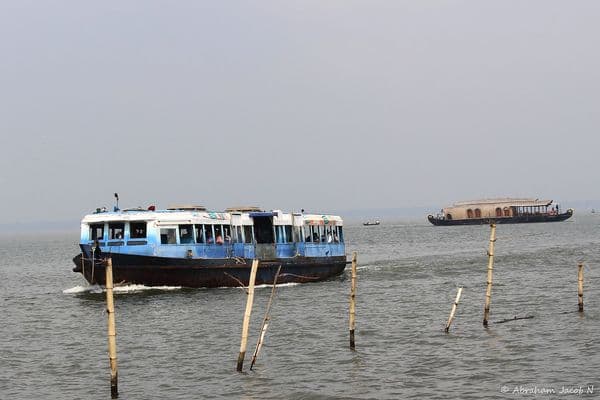
Nearest airports: Cochin (Kochi) International Airport (CIAL) — roughly 75–100 km by road depending on the exact Kuttanad entry point (Alappuzha/Kumarakom). Nearest major railway stations: Alappuzha (Alleppey), Kottayam and Changanassery with regular connections to Kochi and Trivandrum. Road access: Well connected by state highways and rural roads; local buses, taxis and camper/auto-rickshaws are available. Water transport: Regular boat services, ferries and private houseboats connect villages; some areas require small canoe transfers. Travel times can be slower because of narrow rural roads and water-based transport.
Recommended Duration
2–4 days to experience houseboat overnight + village exploration; 5–7 days if combining birding, nearby beach and deeper village stays.
Clothing & Gear Tips
Light cotton clothing, hat, sunglasses, rain jacket or umbrella during monsoon months, good walking shoes or sandals, insect repellent, sunscreen, refillable water bottle and a power bank for devices.
Local Food & Souvenirs
Try Karimeen Pollichathu (pearl spot fish), fresh seafood, appam & stew, tapioca with fish curry and local vegetarian dishes. Local beverages include toddy in select outlets (consume cautiously). Souvenirs: coir products (mats, ropes), handloom textiles, spices, banana-fiber and coconut-based crafts, local pottery and carved wooden toys.