Sabarimala Temple, Kerala
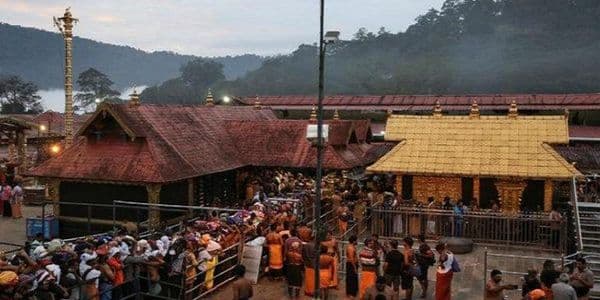
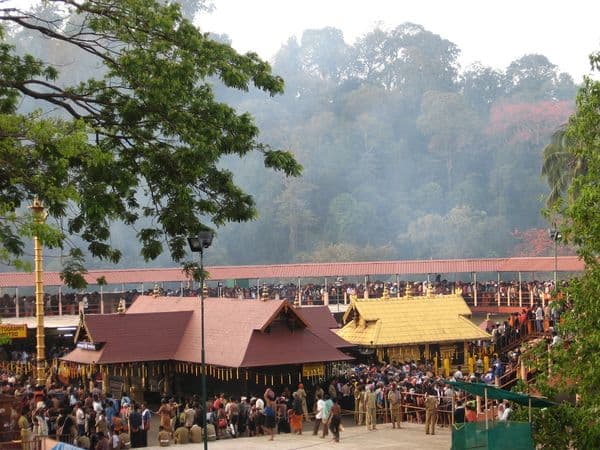
Sabarimala is one of the most important pilgrimage centres in South India, dedicated to Lord Ayyappa. Located in the Western Ghats inside the Periyar Tiger Reserve in Pathanamthitta district, Kerala, it draws millions of devotees annually—especially during the Mandala-Makaravilakku season (November–January). The pilgrimage blends historical, cultural and natural significance: ancient temple traditions and austere practices (the 41-day vratham and Irumudi), the unique practice of climbing the 18 sacred steps (Pathinettampadi), and its location in a dense forest and biodiverse Western Ghats landscape that adds a natural, spiritual setting.
Last updated: 23 Oct 2025
Historic Anecdotes
Legend holds that Ayyappa was born from the union of Shiva and Vishnu (in Mohini form) to defeat the demon Mahishi. Raised by the Pandalam king, Ayyappa later took a vow of celibacy. Key legends include the origin of the 18 holy steps (Pathinettampadi), the story of Malikappurathamma (a guardian figure associated with a separate shrine), and the annual Makara Jyothi / Makaravilakku phenomenon witnessed by devotees. Other traditions involve the figure of Vavar (a Muslim devotee/companion) and interfaith elements in the pilgrimage lore.
Places to visit
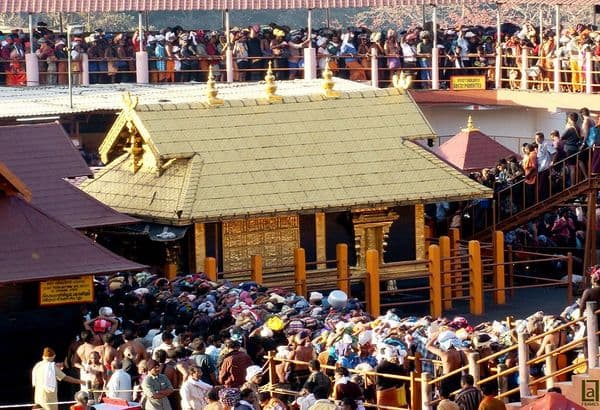
- Sannidhanam (Main Sanctum) — the central shrine of Lord Ayyappa
- Pathinettampadi (18 Sacred Steps) — the ascent to the sanctum with strict observances
- Pamba River — ritual bathing spot before the climb
- Malikappurathamma Shrine — located near Sannidhanam, tied to local legends
- Nilakkal and Pamba base camps — key pilgrimage staging points
- Erumely — historical stop for many pilgrims (Kambam and Pettathullal rituals)
- Makara Jyothi / Makaravilakku — the climactic event for many pilgrims
Unique Aspects
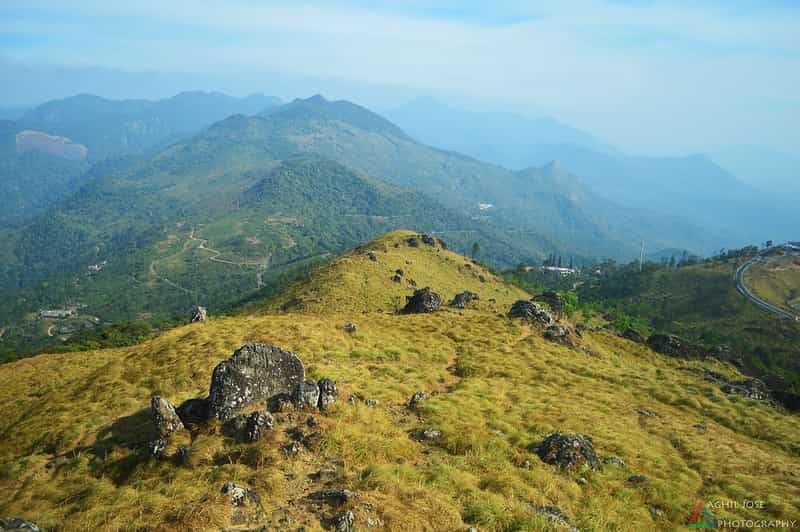
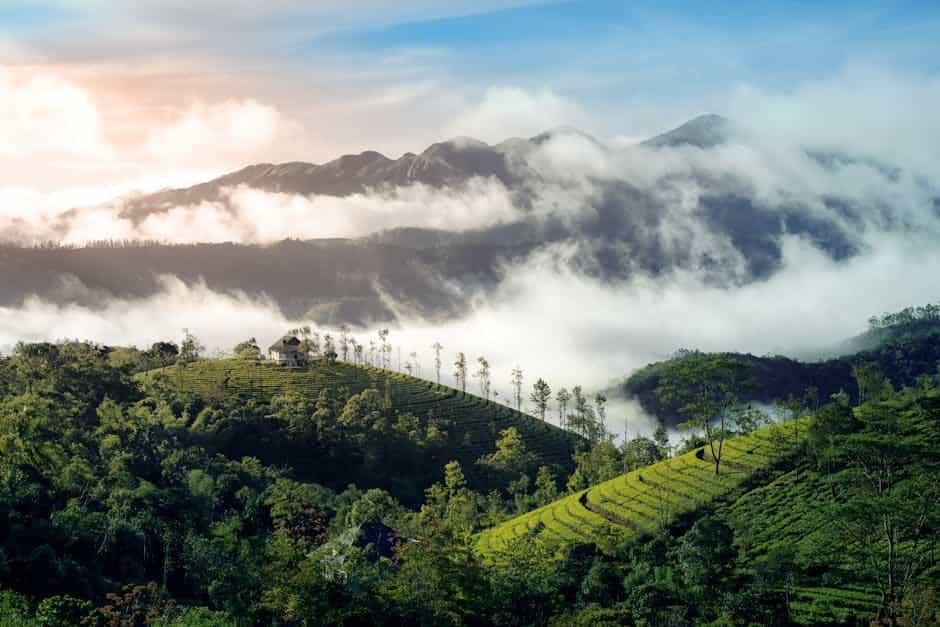
- Dense Western Ghats forest setting and scenic trekking approach
- Strict traditional austerity: 41-day vratham, Irumudi-Kettu ritual bag
- Barefoot climb; prohibition on leather articles and certain modern comforts
- Large-scale crowd management and regulated darshan during peak season
- Wildlife and biodiversity in the surrounding reserve (viewed from approach trails)
Things to do
- Undergo the 41-day vratham (optional) or shorter vows before pilgrimage
- Irumudi-Kettu preparation and carrying the Irumudi to Sannidhanam
- Trek or walk the pilgrimage route from Pamba (approximately 4–5 km) to Sannidhanam
- Darshan at the sanctum, offer prayers and prasadam
- Bathing in the Pamba River as part of purification rites
- Attend ritual ceremonies during Mandala and Makaravilakku periods
Festivals & Events
- Mandala Puja / Mandala season (usually mid-November to mid-December)
- Makaravilakku / Makara Jyothi (mid-January) — peak event
- Special openings during Vishu, Onam and selected festival days
- Local Erumely festivities (Pettathullal) associated with the Ayyappa pilgrimage
Best Time to Visit
Mandala–Makaravilakku season (November–January) for the full pilgrimage experience and largest gatherings; otherwise plan outside the monsoon months (June–September) to avoid heavy rains and slippery trails.
Weather Conditions
Tropical monsoon climate in the Western Ghats. Heavy rains during the southwest monsoon (June–September). Typical temperatures range from ~18°C–30°C; evenings can be cooler in the hills.
Entry Fees & Permits
There is no entry fee for Sabarimala. Timings and darshan schedules vary seasonally and for special days; official timings are set by the Travancore Devaswom Board/Travancore authorities. During peak season long queues and special passes/lottery systems may be in place — check official sources before travel.
Accessibility
Nearest major airports: Cochin International Airport (Kochi) and Trivandrum International Airport (Thiruvananthapuram). Nearest railheads include Chengannur, Kottayam, Thiruvalla and Tiruvalla with onward road connections. Pilgrims typically reach Pamba by road and then proceed on foot (approx. 4–5 km trek) or via regulated transport to Sannidhanam. During the season Kerala state transport and special buses operate to Pamba/Nilakkal; expect heavy crowds and restricted vehicle access close to the sanctum.
Recommended Duration
1–3 days for a basic pilgrimage (Pamba to Sannidhanam and return). If observing the full vratham or participating in longer rituals, plan for 4–41+ days depending on personal practice.
Clothing & Gear Tips
Wear simple, modest clothing in traditional colors (many devotees wear black or blue). Bring a small bag for the Irumudi, lightweight clothes, a raincoat during monsoon season, personal medicines, and slip-resistant footwear for the approach (footwear must be left behind before the sacred steps). No leather items are permitted in the temple precincts.
Local Food & Souvenirs
Temple prasadam and vegetarian meals are available at base camps and community kitchens (annadanam). Local food items include simple South Indian vegetarian dishes; popular souvenirs include Ayyappa malas (beads), devotional photos, coconut-based handicrafts, and traditional Kerala snacks.