Silent Valley National Park, Kerala
Silent Valley National Park is one of the last and best-preserved patches of tropical evergreen rainforest in the Western Ghats (a UNESCO World Heritage Site). It is a biodiversity hotspot that protects an array of endemic and endangered species, and serves as a critical watershed for the Kunthipuzha River. The park's ecological importance was nationally recognised after a high-profile environmental movement in the 1970s–1980s that prevented a proposed hydroelectric dam; the campaign led to the area's declaration as a national park in 1984, helping to shape modern conservation policy in India.
Last updated: 23 Oct 2025
Places to visit
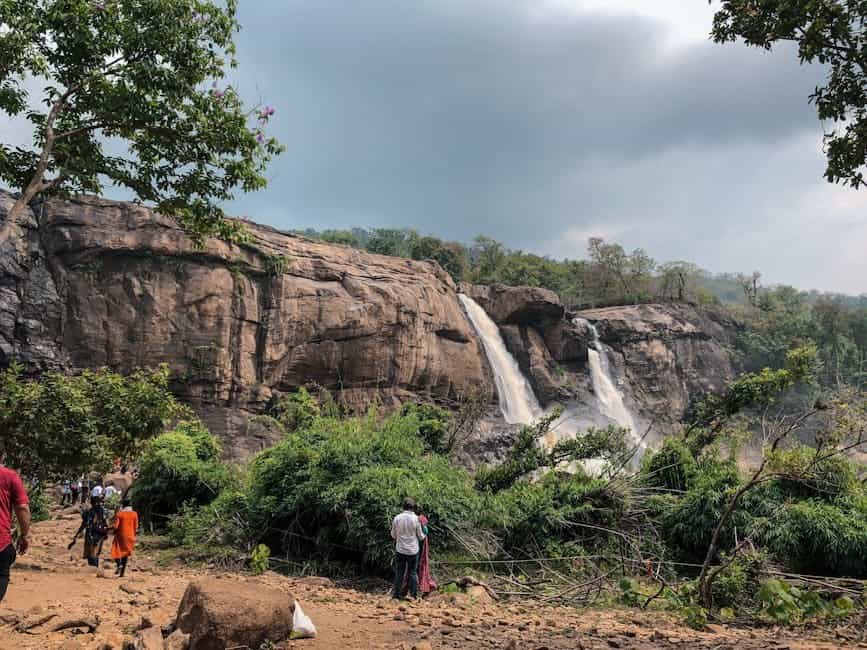
- Sairandhri — the main visitor area with a forest rest house and the Sairandhri Waterfalls
- Core evergreen rainforest tracts with pristine canopy and understorey
- Rich wildlife including sightings (or signs) of the lion-tailed macaque, Nilgiri langur, Indian elephant, gaur and a variety of endemic birds and amphibians
- Scenic streams and the headwaters of the Kunthipuzha River
- Butterfly and insect diversity — many endemic and rare species
Unique Aspects
- One of the few remaining tracts of undisturbed tropical evergreen forest in the Western Ghats
- High endemism — several plant, amphibian and insect species found only in this region
- Part of the Nilgiri Biosphere Reserve and the Western Ghats UNESCO Natural Heritage site
- Conservation legacy — site of a major environmental movement that changed policy in India
Things to do
- Guided nature walks and short treks in designated buffer zones (permit required)
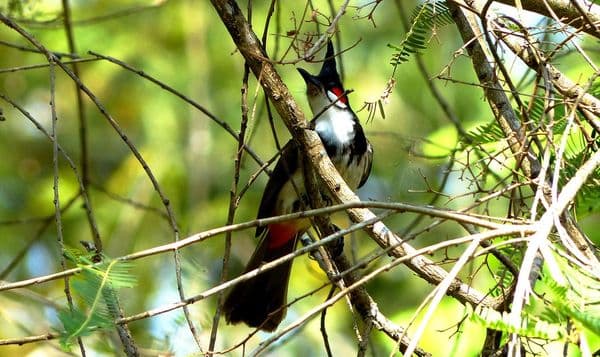
- Birdwatching — look for endemic species and rich forest birdlife
- Wildlife spotting (often by signs, calls and early-morning or late-afternoon walks)
- Photography of rainforest landscapes, waterfalls and wildlife
- Interpretive visits to the Sairandhri visitor area and forest information displays
Best Time to Visit
October to March for the most comfortable weather and better wildlife visibility; avoid the southwest monsoon (June–September) due to heavy rains and restricted access.
Weather Conditions
Tropical evergreen rainforest climate — high humidity, warm to mildly cool depending on elevation. Heavy monsoon rains (June–September) and relatively steady temperatures most of the year.
Entry Fees & Permits
Access to the core national park is strictly regulated. Visitors usually require prior permission or must join authorised guided visits from the Sairandhri entry area. Fees, timings and permit rules change — contact the Kerala Forest Department (Silent Valley range office) or the Sairandhri visitor centre for current details before planning.
Accessibility
Silent Valley is located in Palakkad District, Kerala, within the Western Ghats. Nearest access points and hubs include the town of Mannarkkad (closest town for local access) and larger transport hubs such as Palakkad/Shoranur railway stations and Calicut (Kozhikode) or Coimbatore airports. Road access typically requires travel on hilly, winding roads and may include forest department checkpoints. Organise transport and permissions in advance.
Recommended Duration
A 1–2 day visit is suitable for seeing Sairandhri, short guided walks and basic wildlife spotting; 3–4 days if you wish to explore nearby reserves, longer treks (where allowed) and take a more relaxed nature-focused itinerary.
Clothing & Gear Tips
Lightweight, breathable clothing in earthy colours; good waterproof hiking shoes; rain jacket during monsoon months; hat, sunscreen, and insect repellent. Bring binoculars and a camera with a zoom lens for wildlife viewing.
Local Food & Souvenirs
Basic food and refreshment facilities are available around Sairandhri and nearby towns—carry water and snacks for longer treks. Local cuisine of Kerala (rice, seafood, vegetarian options) is available in nearby towns. Recommended souvenirs include local spices and handicrafts from nearby markets—avoid buying any wildlife products and respect local conservation laws.