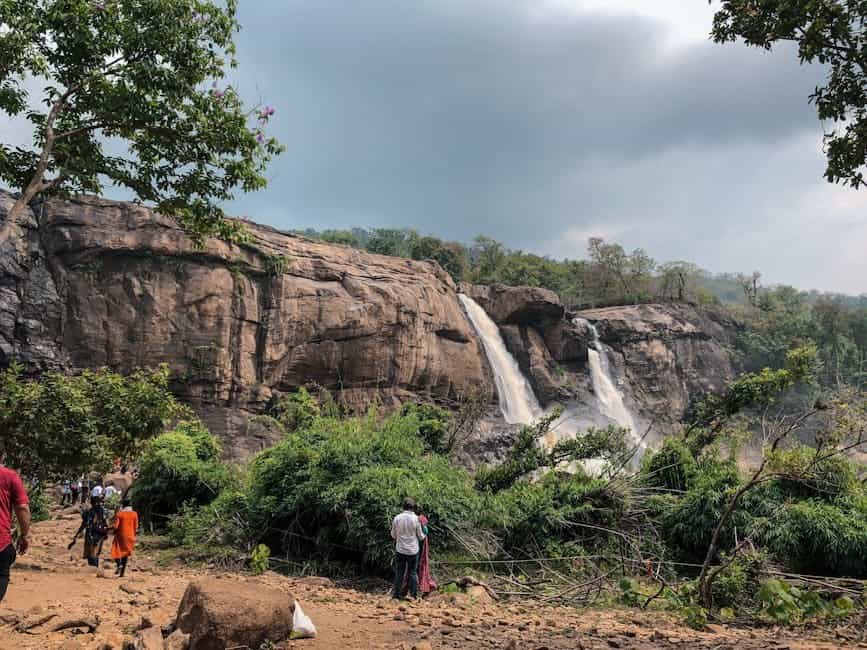
Sree Padmanabhaswamy Temple, Kerala
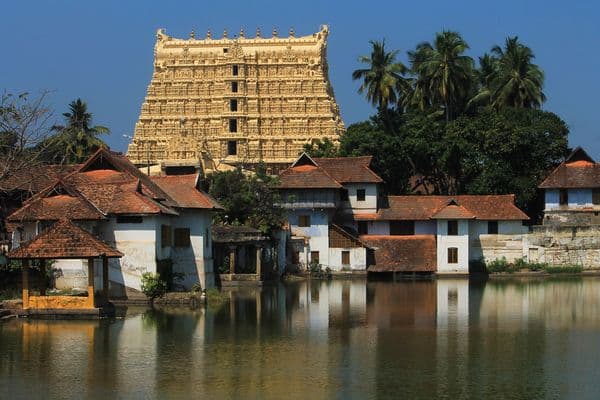
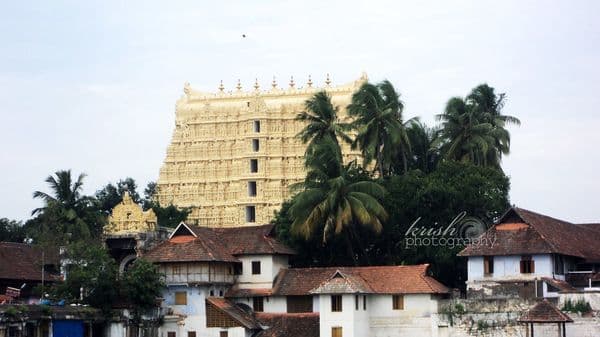
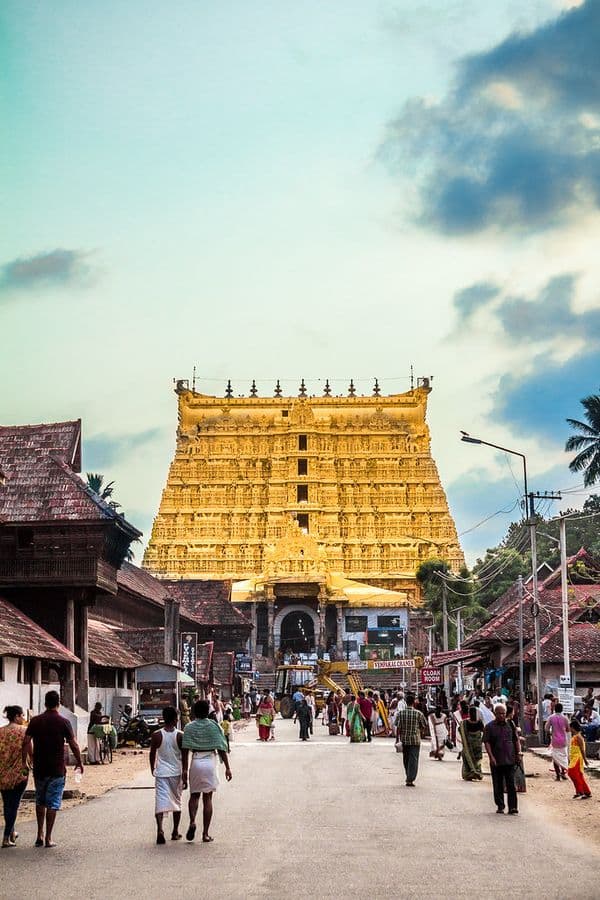
Sree Padmanabhaswamy Temple in Thiruvananthapuram (Trivandrum), Kerala, is one of India’s most historically and culturally significant Hindu temples. Dedicated to Lord Vishnu in the reclining Ananta Shayana posture, it has been the spiritual and ceremonial center of the Travancore royal family for centuries. The temple is renowned for its unique blend of Kerala and Dravidian architectural elements, ancient murals, and ritual traditions. It gained global attention after the discovery of immense treasure in its underground vaults (2011), underlining its historical wealth and heritage value.
Last updated: 23 Oct 2025
Historic Anecdotes
Legend holds that Lord Vishnu rests on the serpent Ananta (Anantha Shayana) and that the deity is the tutelary sovereign of the erstwhile Travancore kingdom. A pivotal historical story: Maharaja Marthanda Varma is said to have declared himself the servant (Padmanabha Dasa) of the deity, dedicating the kingdom to Padmanabhaswamy—a tradition that shaped the royal governance and temple patronage. Modern lore centers on the secret vaults (A–F) and the treasure troves discovered in 2011, sparking worldwide fascination and legal debates about preservation and ownership.
Places to visit
- Anantha Shayana (Reclining Vishnu) sanctum — the principal deity and focal point of devotion
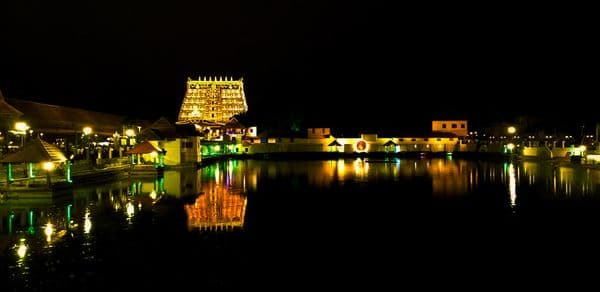
- Padmatheertham temple tank (pond) adjacent to the complex
- Ancient murals and frescoes depicting scenes from the epics
- Gopuram (entrance tower) and intricately carved stone structures
- Underground vaults (A–F) historically associated with vast treasures
- Royal connections and nearby heritage buildings of the Travancore palace complex
Unique Aspects
- Distinctive Kerala–Dravidian architectural fusion with tiled roofs and granite structures
- Rich mural paintings and temple art depicting Ramayana and Mahabharata themes
- Historic underground vaults containing gold, jewels and antique artifacts (notable 2011 discoveries)
- Traditional temple rituals preserved by the Travancore royal family
- Sacred tank (Padmatheertham) and temple elephants associated with ceremonies
Things to do
- Darshan (viewing and offering prayers to the deity) during designated puja times
- Observe traditional aartis and daily poojas; attend special rituals on festival days
- Experience the temple architecture, murals and quiet sanctum atmosphere
- Walk around Padmatheertham and nearby heritage precincts of Thiruvananthapuram
- Visit local museums and the Travancore royal heritage sites nearby
Festivals & Events
- Alpashy Utsavam (October–November) — one of the temple’s major festivals
- Painkuni Utsavam (March–April) — spring festival with traditional rituals
- Daily observances and seasonal temple rituals (Usha and Deeparadhana ceremonies)
Best Time to Visit
October to February for pleasant weather and to coincide with festival periods; avoid heavy monsoon months (June–September) if you prefer dry conditions.
Weather Conditions
Tropical coastal climate: hot and humid most of the year, heavy monsoon rains Jun–Sep, milder and more comfortable climate in winter months (Oct–Feb).
Entry Fees & Permits
No general entry fee for devotees. Timings and access windows may change—temples typically have morning and evening darshan slots. Important: The temple has strict access rules: traditionally entry is restricted to Hindus (non-Hindus are generally not permitted inside the sanctum). A strict dress code is enforced. Always check the official temple website or local authorities for current timings, entry rules, and any special guidelines.
Accessibility
Located in the heart of Thiruvananthapuram city. Nearest airport: Trivandrum International Airport (TVC), ~6–8 km. Nearest major railhead: Thiruvananthapuram Central (TVC), ~2–4 km depending on route. Well connected by city buses, taxis and auto-rickshaws. Note: parking near the temple can be limited during peak times and festivals.
Recommended Duration
Allow 1–3 hours for darshan and to explore the immediate temple precinct; longer if you plan to visit nearby museums and the palace.
Clothing & Gear Tips
Strict traditional and conservative attire is required. Men: wear a mundu/dhoti (and often bare-chested or with an upper cloth depending on temple regulations). Women: saree or salwar-kameez/long dress that covers shoulders and legs. Footwear must be left outside. Carry photo ID, and be prepared for security checks. Cameras and mobile photography may be restricted inside.
Local Food & Souvenirs
Nearby local cuisine: try Kerala specialties such as appam with stew, Kerala fish curry, vegetarian sadhya items and payasam. Souvenirs: brass lamps, temple replicas, traditional Kerala handicrafts, spices and handloom textiles.