Vaikom Mahadeva Temple, Kerala
Vaikom Mahadeva Temple is one of Kerala's ancient and culturally important Shiva temples, located in Vaikom (Kottayam district). The temple is revered for its traditional Kerala architecture, centuries-old rituals, and its role in social history — notably as the focal point of the Vaikom Satyagraha (1924–25), a landmark anti-caste movement that advanced temple-entry rights and social reform in modern Kerala.
Last updated: 23 Oct 2025
Historic Anecdotes
Legend says the presiding deity, worshipped as Vaikkathappan (Lord Shiva), granted protection and blessings to the town. Local tradition links the temple to ancient sages and to the broader corpus of Kerala temple lore; stories include divine apparitions and miracles attributed to the deity, and oral histories that connect the shrine to the region's early temple-building era.
Places to visit
- Sanctum (Sreekovil) housing the Shiva linga (Vaikkathappan)
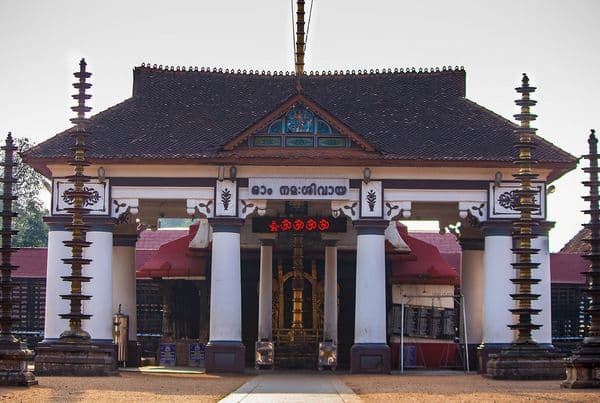
- Chuttambalam and traditional wood-and-stone temple architecture
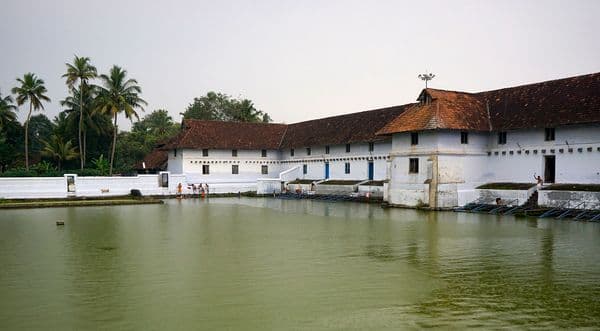
- Temple pond and inner courtyards
- Dwajasthambam (flag mast) and stone lamps
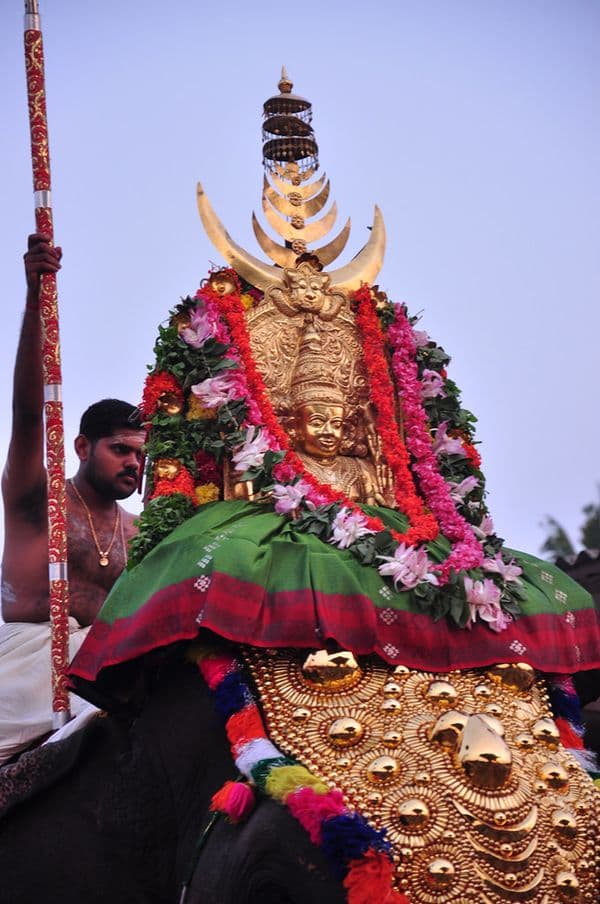
- Temple elephants and decorated processional displays during festivals
- Nearby backwater views and traditional Kerala streetscape
Unique Aspects
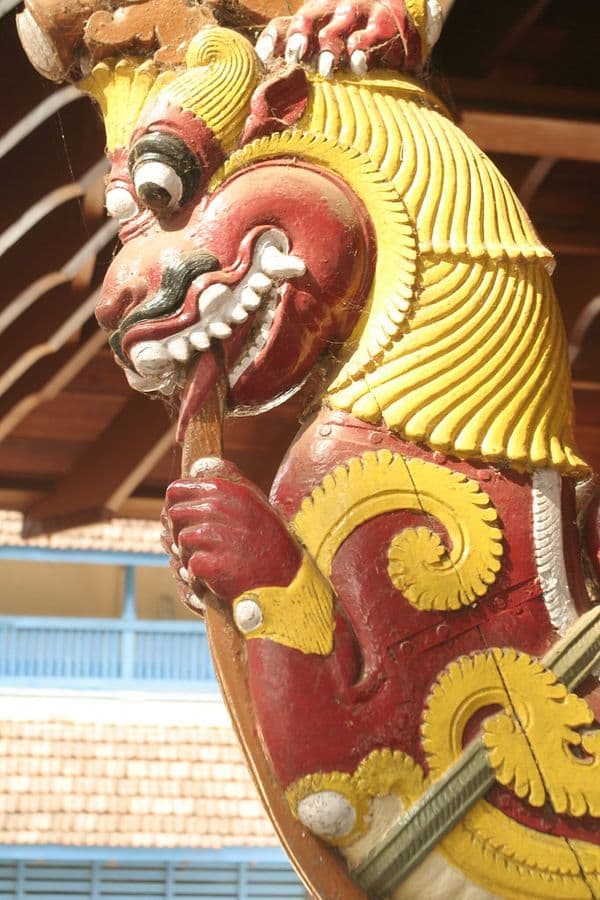
- Well-preserved examples of Kerala-style wooden carvings and tiled roofs
- Historic association with the Vaikom Satyagraha — a major social-reform movement
- Ritual schedule following classical Kerala temple customs (abhishekam, deeparadhana)
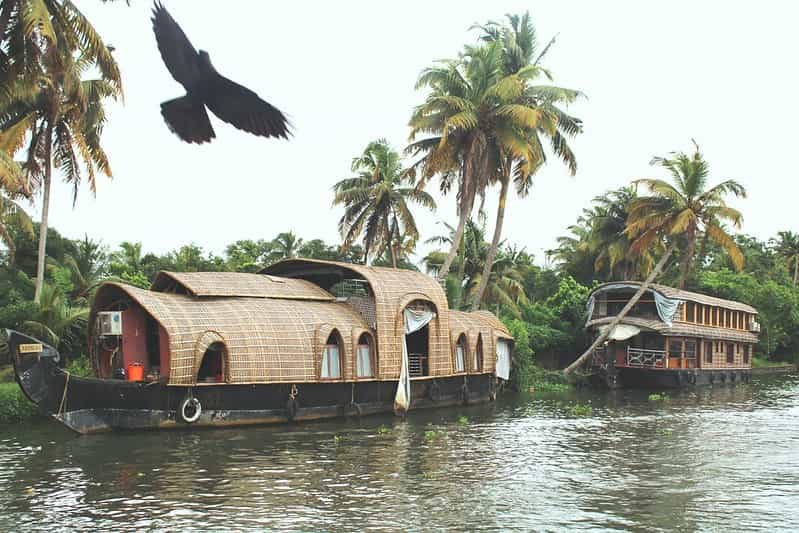
- Proximity to Vembanad backwaters, offering a mix of spiritual and scenic experiences
Things to do
- Daily darshan and participation or observation of pujas (morning and evening rites)
- Special abhishekam (ceremonial bathing) and offerings to Lord Shiva
- Circumambulation (pradakshina) of the temple complex
- Attending music and percussion performances during festivals (chenda melam)
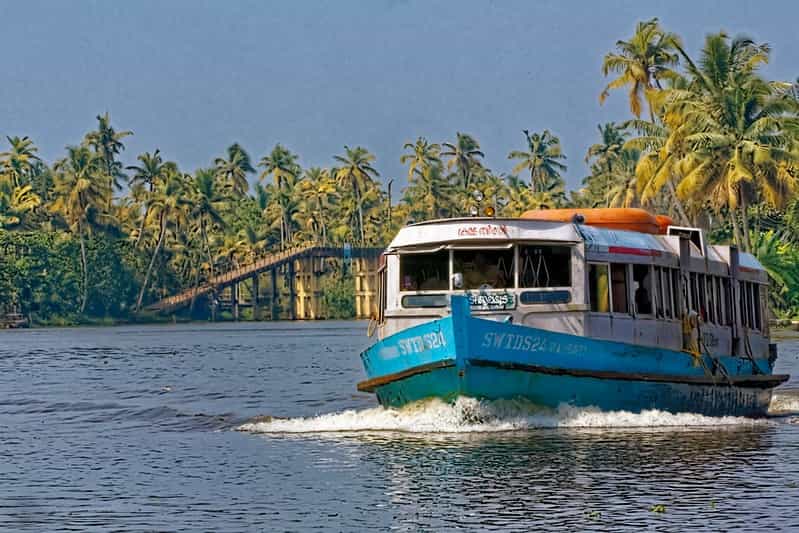
- Walking tours of the old town, short boat rides on nearby backwaters, and visiting the Vaikom Satyagraha memorial sites
Festivals & Events
- Maha Shivaratri — the major festival attracting large numbers of devotees
- Annual temple Utsavam (local festival) featuring caparisoned elephants, percussion ensembles and fireworks — typically held in the temple's festival month
- Other Shiva-related observances and monthly rituals (Pradosham, Shivrathri observances)
Best Time to Visit
October to February (cooler, drier months) and during the temple's annual festival or Maha Shivaratri for a vibrant experience.
Weather Conditions
Tropical monsoon climate: hot and humid in March–May, heavy rains in June–September, and more comfortable conditions in October–February.
Entry Fees & Permits
Entry for general darshan is typically free. Many temples operate on a morning and evening schedule (for example: early morning pujas and a break midday, then evening rituals); exact timings and any fees for special sevas or guided services vary — confirm locally or on the temple notice board before planning.
Accessibility
Nearest major airport: Cochin International Airport (COK) — approximately 60–80 km by road (travel time varies). Nearest railway stations: Kottayam and Ernakulam/Aluva (regional connections). Vaikom is well connected by road with regular bus services and taxis. The area around the temple is pedestrian-friendly but has typical Kerala-step and stone-surface areas—those with mobility issues should check access to inner courtyards and ramps in advance.
Recommended Duration
Half a day to a full day to cover darshan, temple precincts, nearby Vaikom town and a short backwater excursion.
Clothing & Gear Tips
Dress modestly: shoulders and knees covered. Women commonly wear sarees or salwar/kurtas; men often wear mundu/dhoti or formal trousers. Remove footwear and leather items before entering temple precincts. Carry light rain protection during monsoon months.
Local Food & Souvenirs
Try Kerala vegetarian temple offerings (prasadam) where available, local snacks such as banana chips and traditional sweets (payasam). Souvenirs include local spices, cashews, handicrafts, and religious items such as rudraksha beads and small temple replicas or prayer items sold by nearby vendors.