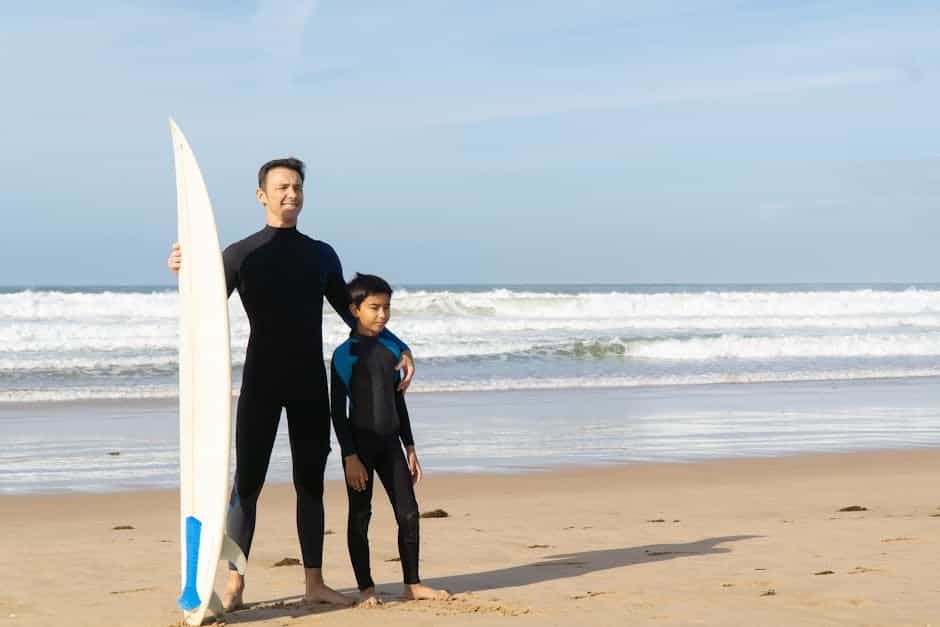
House-reef snorkeling from your villa/guesthouse
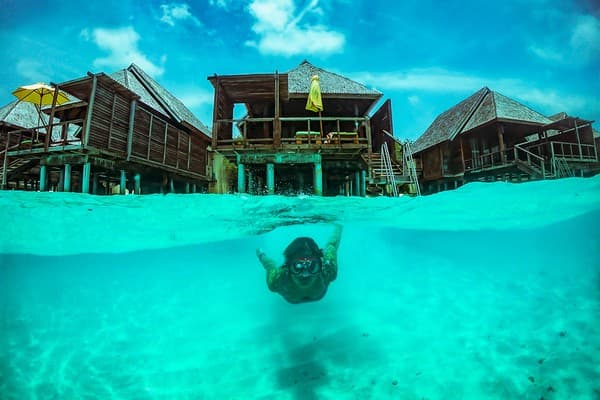
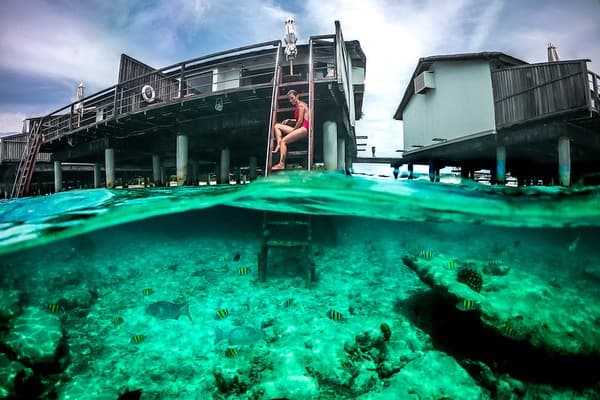
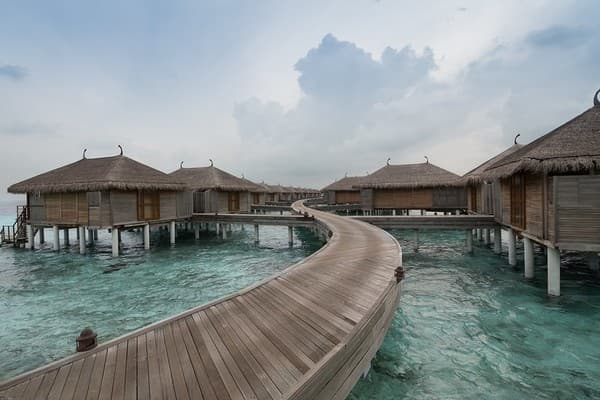
Experience vibrant reef life right off your villa or from nearby local islands. Snorkel directly from the beach or villa platform to explore corals, reef fish, turtles and rays without needing a boat. Options range from self-guided short swims to guided eco-tours and night snorkels led by local guides. Ideal for families, beginner snorkelers and experienced swimmers who want easy access to marine life with minimal travel time.
Location
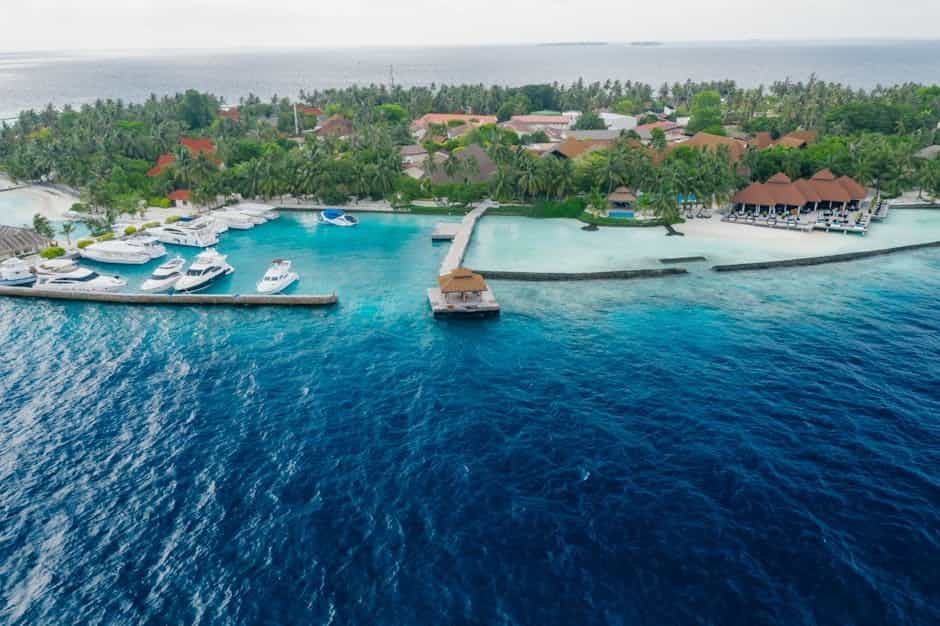
Resort villa house-reefs & local island house reefs (various atolls), Various (e.g., North Male Atoll, South Male Atoll, Baa Atoll, Ari Atoll), Maldives
Duration
Flexible — typical single session 30–120 minutes. Many guests do multiple short snorkels per day or book half-day guided excursions.
Best Time to Visit
November to April for clearest water and calm seas. May–October can still offer excellent snorkeling and seasonal highlights (e.g., manta season in some atolls), but expect more variable visibility with the monsoon.
Pricing
Often included with many resorts/guesthouses for guests. Typical additional costs: snorkel gear rental US$5–15 per set, guided house-reef tours US$15–60 per person, local-island guided trips US$10–40. Specialty tours (e.g., manta/night snorkel) US$30–80. Prices vary by property and atoll.
Activity Type
Coordinates
Highlights
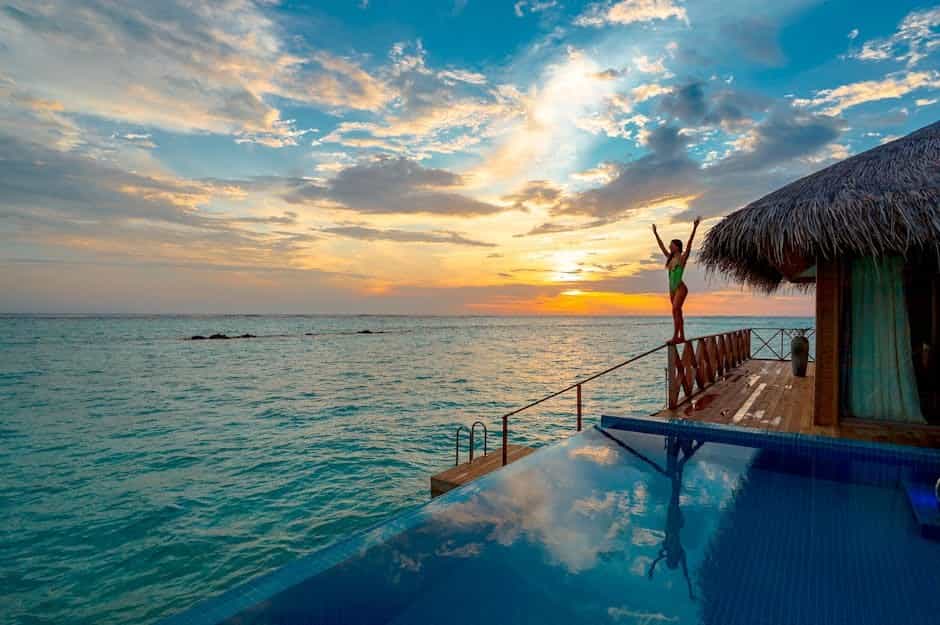
Instant access to reefs directly from your villa deck, house beach or jetty
Rich reef biodiversity: hard and soft corals, reef fish, parrotfish, surgeonfish, butterflyfish
Frequent turtle sightings resting and grazing on seagrass near house reefs
Rays & small sharks (harmless reef species) commonly patrolling sandy channels
Manta sightings at cleaning stations in specific atolls (seasonal)
Night snorkeling reveals bioluminescence, sleeping fish and nocturnal reef life
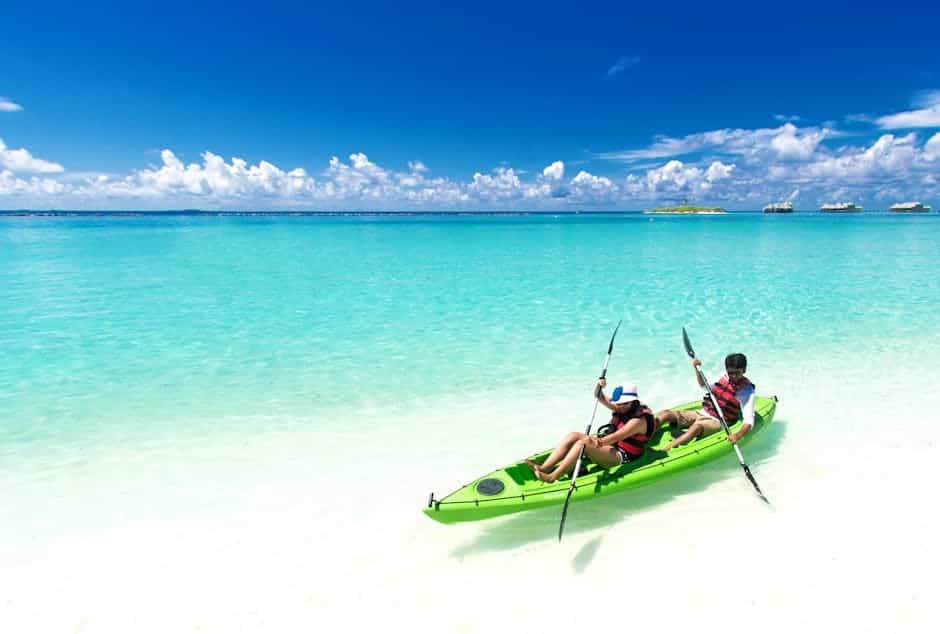
Family-friendly — calm, shallow lagoons ideal for children and novice snorkelers
Itinerary
Briefing & gear fitting
Short safety and reef-protection briefing from villa staff or guide; fit mask, snorkel and fins. Apply reef-safe sunscreen before entering the water.
Enter from villa/house beach or jetty
Enter slowly, check water depth and for corals underfoot. Use floatation if needed.
Explore lagoon edge, bommies and reef slope
Follow the reef contour, avoid touching corals, keep distance from feeding/cleaning sites to not disturb wildlife.
Rinse & rest
Rinse gear with fresh water, rehydrate and reapply reef-safe sunscreen. Many villas provide rinse stations.
Guided reef walk or night snorkel
Guided visits offer identification of species and conservation insights; night snorkel requires a guide and lights.
Equipment rinse, drying & conservation talk
Return rented gear, listen to short talk on protecting the reef and local regulations (no collecting, no feeding).
Safety Requirements
Basic swimming ability recommended; children should wear life jackets or floats supervised by an adult
Use properly fitted mask and fins to avoid fatigue and water ingestion
Be aware of tides, currents and changing weather — follow staff/guide advice
Do not touch, stand on or remove corals, shells or marine life — coral is fragile and protected
Avoid strong sunlight exposure; use reef-safe sunscreen and protective clothing
Night snorkeling or remote reef excursions should only be done with an experienced guide
Tips
Bring or rent a good mask and snorkel — a well-fitting mask makes the experience much better
Use reef-safe sunscreen (zinc oxide) or wear a rash guard to protect skin and the reef
Practice breathing and clearing your snorkel in shallow water before heading out
Swim slowly and horizontally to avoid kicking corals — maintain neutral buoyancy
Carry an underwater camera or a phone in a waterproof case for memories, but never disturb wildlife for a shot
Ask your host about the best times of day — early morning often has calmer water and more active fish
Support local conservation: participate in reef talks, avoid single-use plastics and consider donating to guesthouse/resort reef projects
Respect local island customs: wear cover-ups when off the beach and follow host guidance on restricted areas