Kitesurfing (seasonal winds)
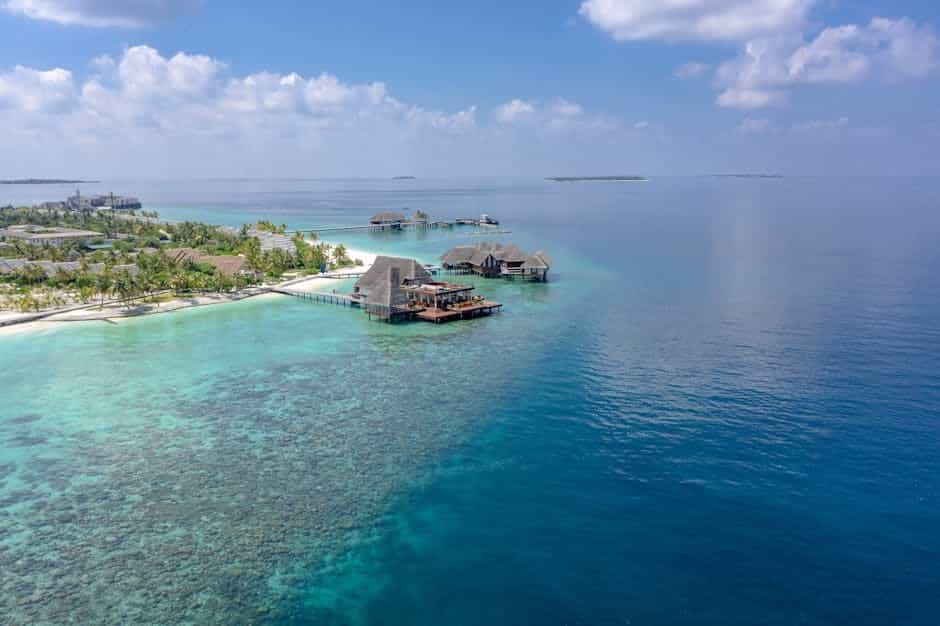
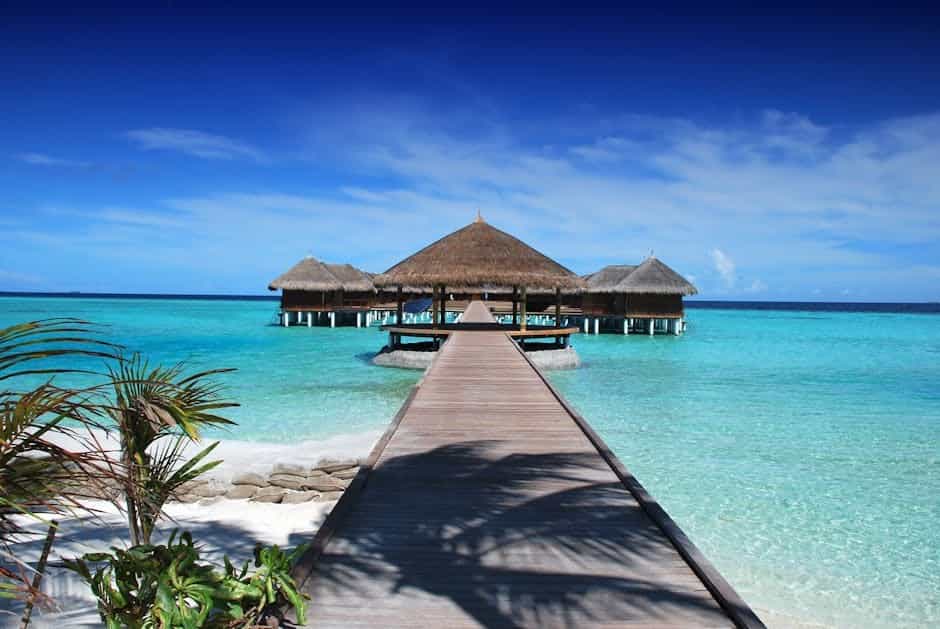
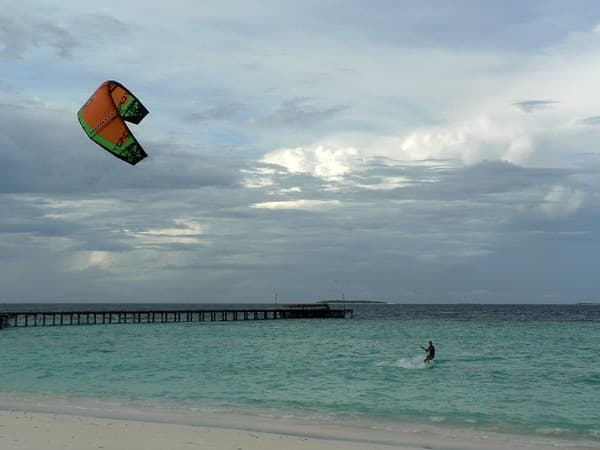
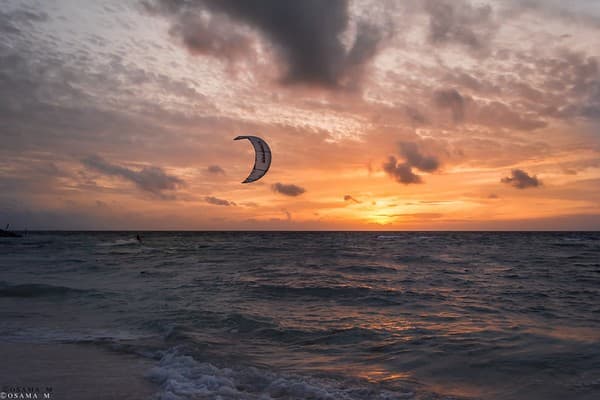
Kitesurfing in Gaafu Dhaalu Atoll offers warm, clear water, long sheltered lagoons and uncrowded spots ideal for both flatwater freeride and reef-pass wave riding. The area is seasonal: the strongest and most consistent winds arrive with the Southwest Monsoon, producing reliable side‑onshore conditions over many lagoons and channels. This activity suits intermediate and advanced riders seeking space and variety, and beginners who take guided lessons in shallow, protected lagoons.
Location
Gaafu Dhaalu Atoll and selected sheltered lagoons & reef passes, Thinadhoo (administrative hub) & surrounding islands, Maldives
Duration
Flexible — typical options:
- Single session: 2–3 hours (half-day)
- Full-day excursions: 4–6 hours
- Multi-day packages: 3–7 days recommended to catch optimal wind windows
Best Time to Visit
Main wind season (best): May – October (Southwest Monsoon) — generally stronger, more consistent side‑onshore winds across southern atolls.
- Shoulder months: April and November can be very good with variable conditions.
- Calmer season: December – March (Northeast Monsoon) — lighter winds in the far south; still rideable some days but less consistent.
Pricing
Typical price ranges (subject to resort/centre and season):
- Intro/Beginner lesson (2 hrs): USD 120–200 per person
- Intermediate/advanced guided sessions (2–3 hrs): USD 80–150 per person
- Full-day boat/lagoon trip with guide: USD 180–350 per person
- Weekly lesson + gear package: USD 600–1,400
- Equipment rental only (per day): USD 50–120 (kite, board, harness) Note: Private transfers, boat lagoon-hopping and remote-location surcharges often apply. Book in high season early.
Activity Type
Coordinates
Highlights
Uncrowded lagoons with long flatwater runs ideal for freestyle and freeride
Seasonal steady winds during the Southwest Monsoon providing consistent sessions
Varied terrain: shallow protected flats for learners and reef passes/outer reefs for riders seeking waves
Warm, clear water and excellent visibility for safety and enjoyment
Plentiful marine life — turtles, reef fish and occasional rays/mantas near channels
Possible boat/lagoon-hopping to access different wind angles and sheltered spots
Itinerary
Arrive at Thinadhoo or resort island, check in, meet the centre staff for a wind-season briefing and equipment fitting.
Collect local wind forecast, safety briefing and arrange pick-up for next day's spots.
Gear check, basic theory and 1:1 or small-group beginner lesson in a shallow sheltered lagoon (if beginner). Intermediate riders: guided freeride session close to the island.
Expect 2–3 hours on the water. Centre provides helmet, impact vest, harness and rescue boat.
Boat transfer to selected lagoons and reef passes for longer freeride sessions and to sample different wind angles.
Full-day option. Bring sun protection, quick-dry clothing and spares. Lunch typically served on board or at a local island.
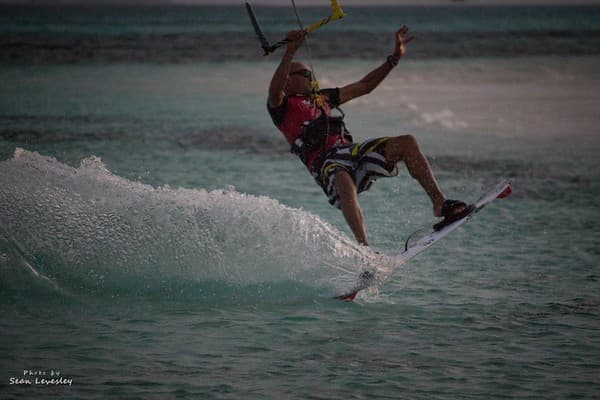
Focused coaching (jumps, transitions, wave riding at reef pass) or guided exploration of more exposed breaks if conditions and rider level permit.
Advanced spots require local guide and attentive reef/ current briefing.
Safety Requirements
Basic kitesurfing competency for unsupervised riding; beginners must book lessons
Use of certified safety equipment: helmet, impact vest, quick‑release kite leash and appropriate harness
Local rescue boat/guide present for off‑island/reef sessions
Knowledge of self‑rescue and tide/current awareness — reef passes can have strong currents
Respect local rules: keep clear of swimming areas and coral gardens
Travel/medical insurance that covers kitesurfing and rescue
Sun protection and hydration — tropical sun is intense
Tips
Wind & gear: Bring a quiver (kite sizes) or confirm rental availability — typical wind ranges 12–25+ knots during the main season; common sizes 7–12m depending on rider weight and kite type.
Book transfers and boat trips in advance during peak months (May–Oct).
Use reef shoes for launch/landings where coral is present and apply reef‑safe sunscreen.
Hire a local guide for reef passes and remote lagoons — they know currents, tides and the best windows.
Plan sessions around tide: low and mid tides often produce flatter, shallower lagoons; high tide can improve pass access but increase currents.
Respect local communities and marine life; do not anchor on coral or leave waste.
Check recent local wind reports and ask centres about sheltered alternatives on lighter days.
If you want photos or video, ask centres about guide-with-camera options or bring a waterproof mount.