Maldivian cooking class (mas huni & curries)
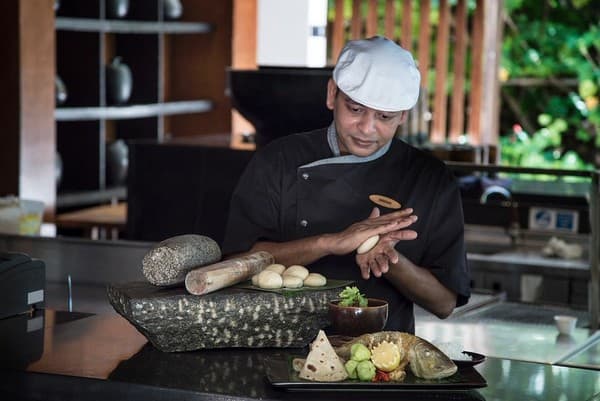
Hands-on culinary class held in local island guesthouses and some resorts across the Maldives. Participants learn to make traditional Maldivian dishes — most commonly mas huni (a shredded smoked tuna and coconut breakfast mix) and a selection of coconut-based fish and vegetable curries — guided by local cooks or guesthouse hosts. Sessions combine a short introduction to Maldivian ingredients and techniques, a demonstration, a hands-on cooking segment, and communal tasting, with optional market or island garden visits where available.
Location
Local island guesthouses and select resorts, Various islands (e.g., Maafushi, Thoddoo, Gulhi, Malé), Maldives
Duration
Typically 2–3 hours (half-day options available when combined with market visits).
Best Time to Visit
Year-round, with the drier season (November–April) generally more comfortable for travel and island visits.
Pricing
Typical range: USD 30–80 per person at local island guesthouses (group or private). Resort classes: USD 70–150+ per person (often as part of cultural packages). Private or in-room classes, market visits or additional activities may increase the price. Confirm whether ingredients, drinks, and transfer are included.
Activity Type
Coordinates
Highlights
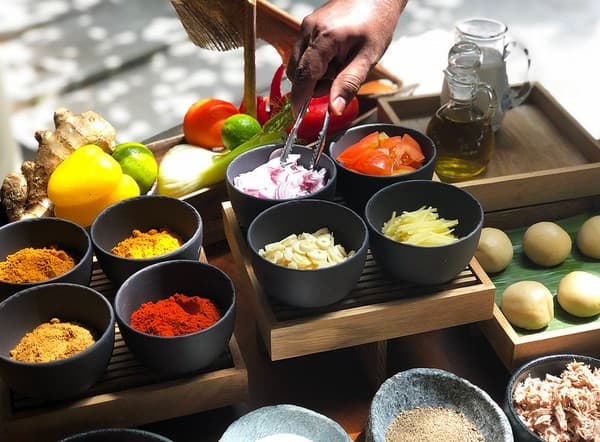
Learn to prepare mas huni (grated coconut, smoked tuna, onion, chilli, lime)
Make traditional Maldivian fish and coconut curries (short demonstration and hands-on)
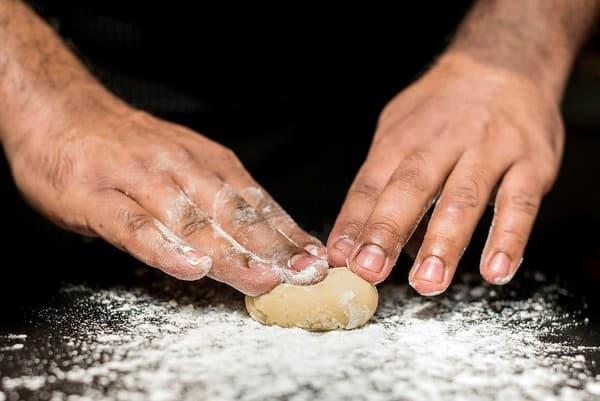
Use of fresh local ingredients and traditional tools
Optional short market or island garden visit to source ingredients
Eat what you cook — communal tasting and recipe notes to take home
Cultural exchange with local hosts — learn food customs and meal etiquette
Itinerary
Welcome & introduction
Meet your host, overview of ingredients, hygiene briefing, and short talk about Maldivian food culture.
Ingredient demonstration & market/garden visit (optional)
Walk to a nearby market or island garden if included; learn about selecting fresh coconut, fish, spices and vegetables.
Hands-on preparation: mas huni
Grating coconut, shredding or flaking tuna, seasoning with lime and chilli; tips for texture and variations (vegetarian/egg variants).
Hands-on preparation: curries
Prepare a simple fish curry and a vegetable or coconut-based curry; learn spice blends, coconut milk techniques and simmering methods.
Plating & tasting
Share the meal with hosts; discussion of variations, storage and reheating; receive printed or digital recipes.
Wrap-up & optional photos
Q&A, feedback and information on further cultural experiences or where to buy ingredients/utensils.
Safety Requirements
Inform the host of any food allergies or dietary restrictions in advance (e.g., fish, shellfish, coconut).
Basic food hygiene observed — hand-washing and use of gloves where required.
Supervision for children; not all kitchens are child-proofed.
Be cautious with hot oil, open flames and sharp tools (coconut graters, knives).
Respect local customs on attire and behavior, especially when the class is on a local island.
Tips
Pre-book and confirm meeting point and whether transfers are included.
Notify hosts in advance about vegetarian, vegan or allergen-free options.
Wear comfortable, modest clothing (especially on local islands) and closed-toe shoes if moving around markets.
Bring a small notebook or use your phone to save recipes; ask for a printed/digital recipe if you want to recreate dishes later.
Carry small cash for tips or to buy extra ingredients at local markets.
Ask about vegetarian/egg versions of mas huni if you do not eat fish.
If you want photos, ask permission before photographing local people or markets.