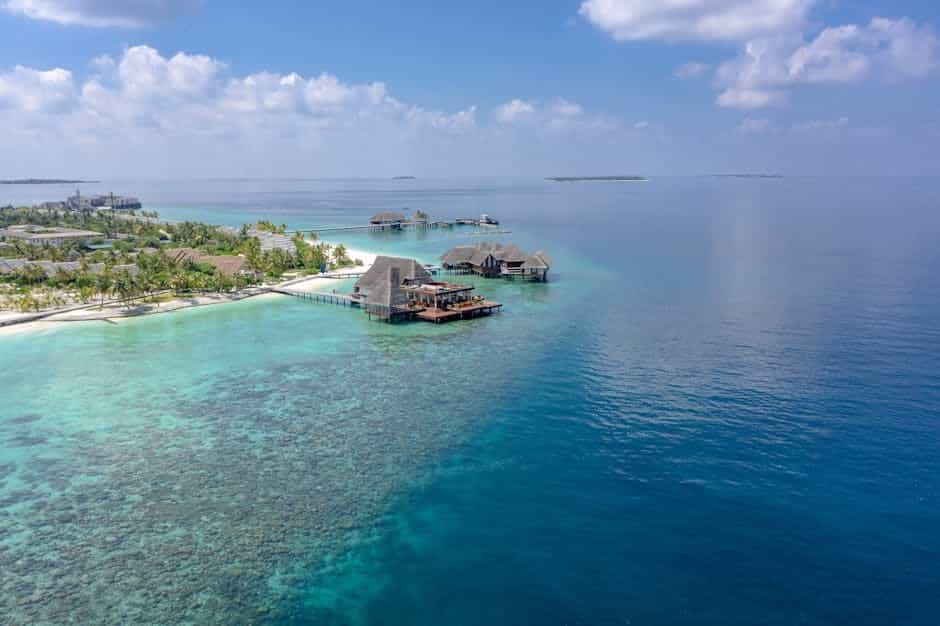
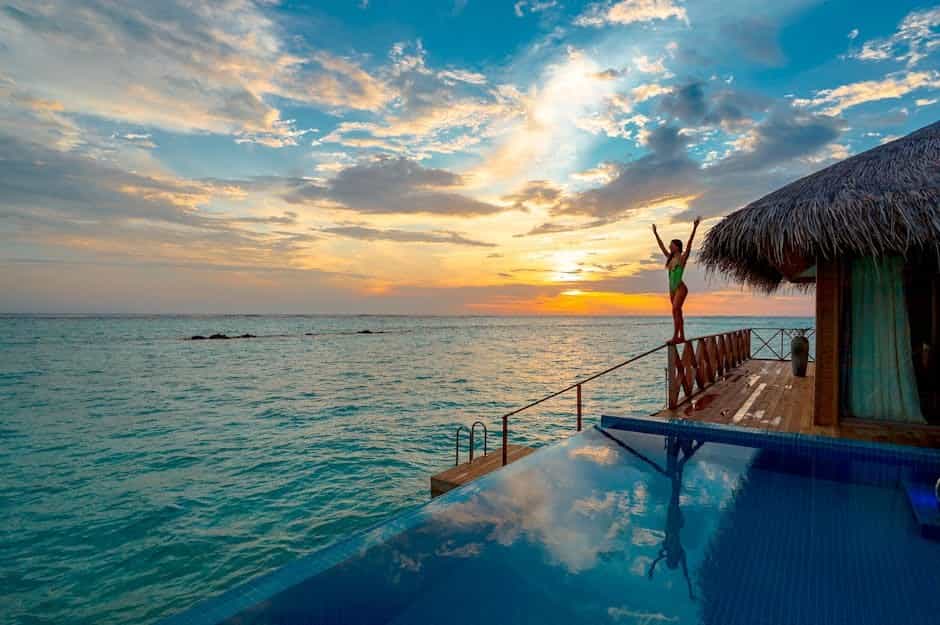
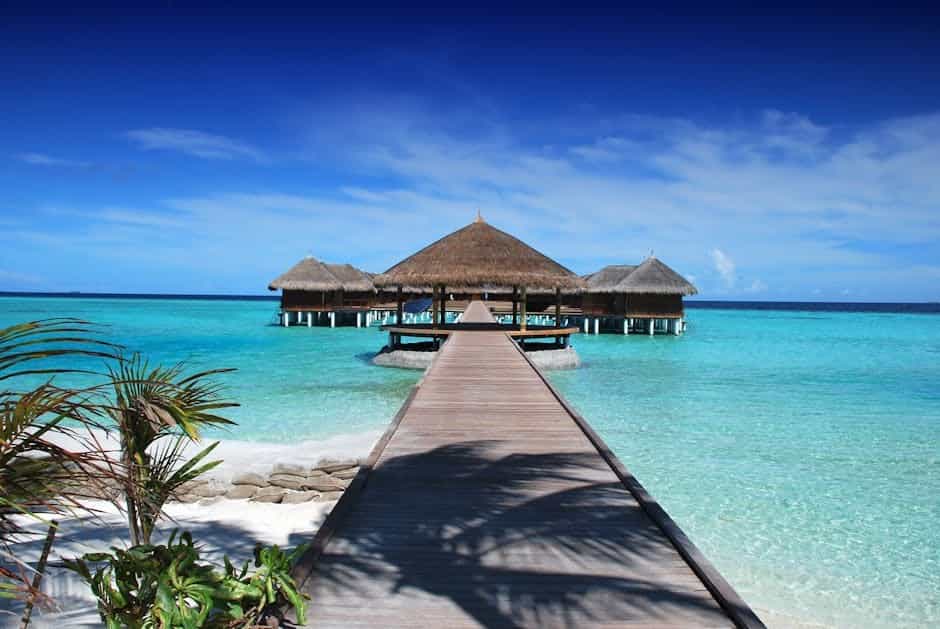
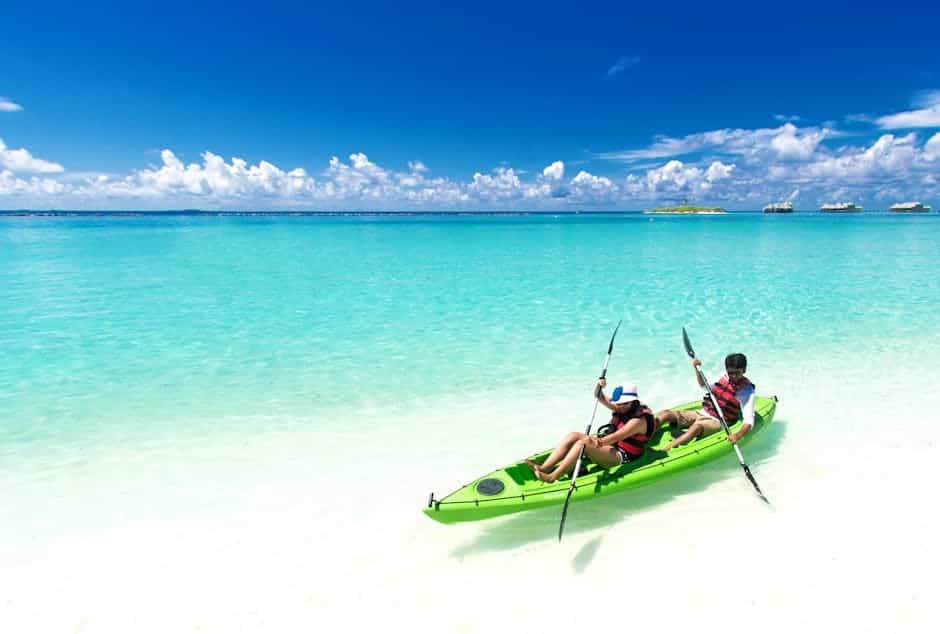
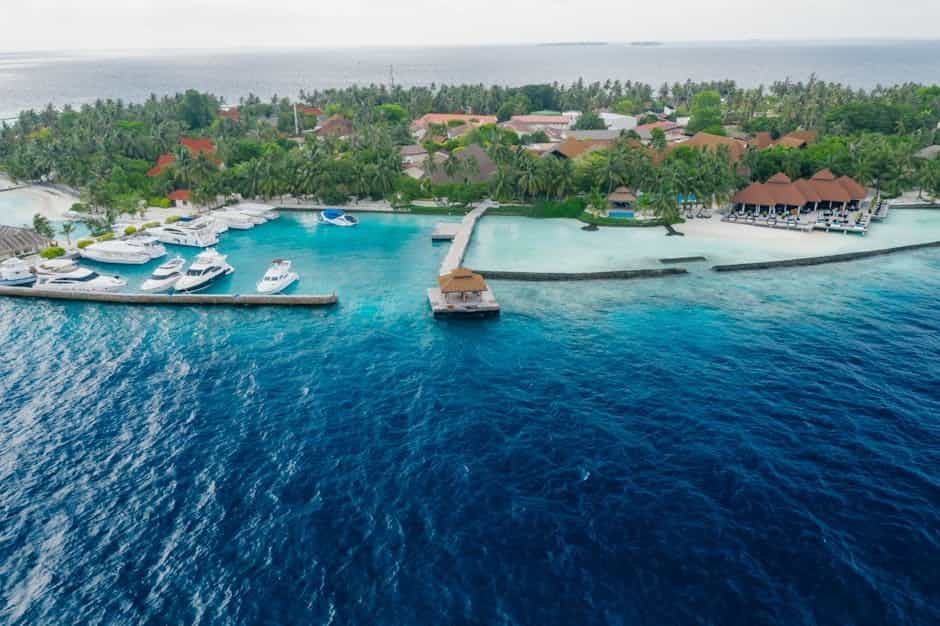
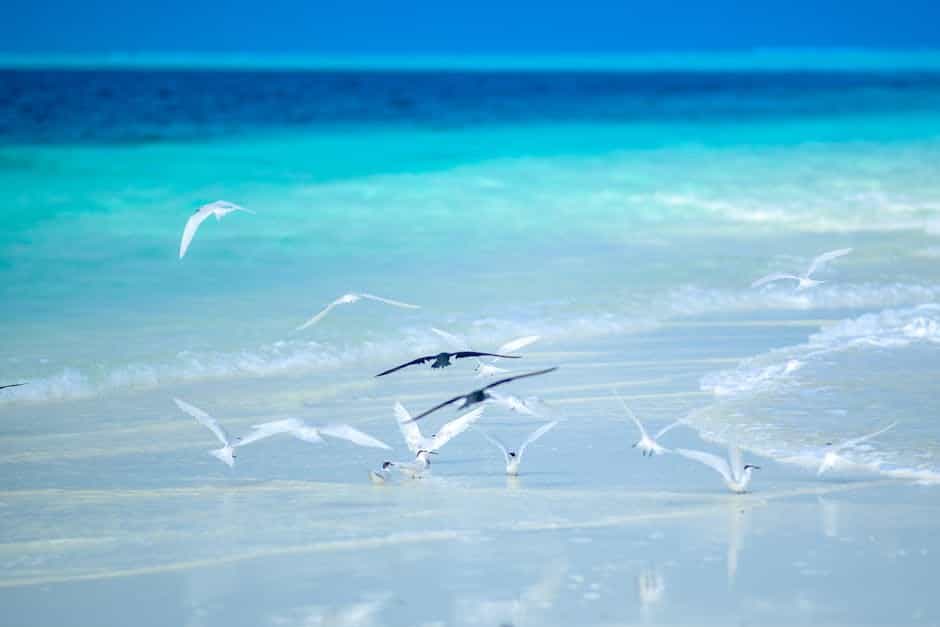
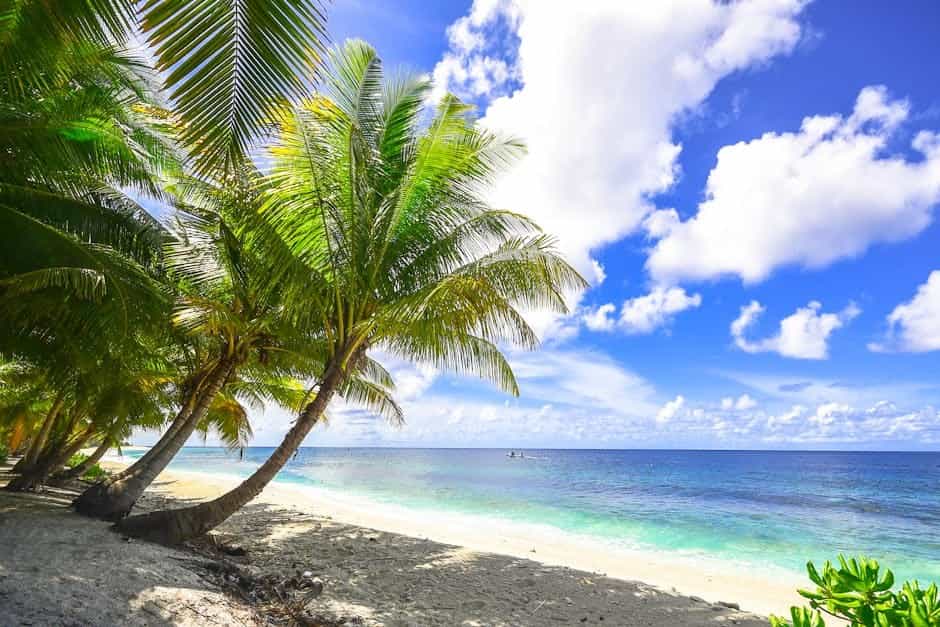
See bioluminescent beaches
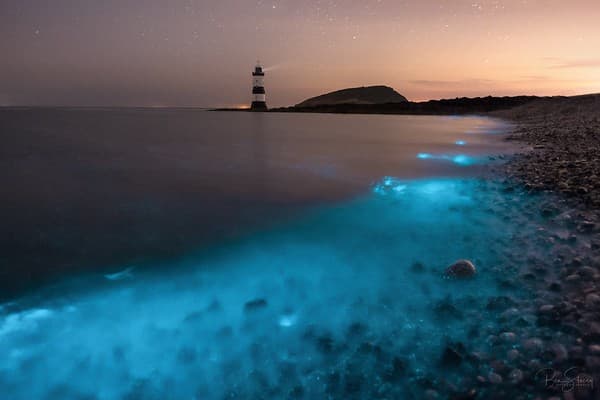
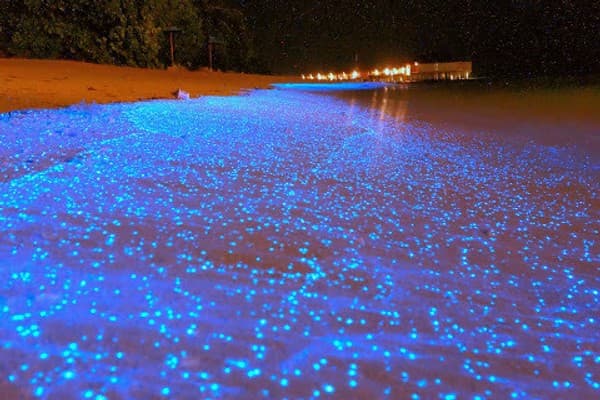
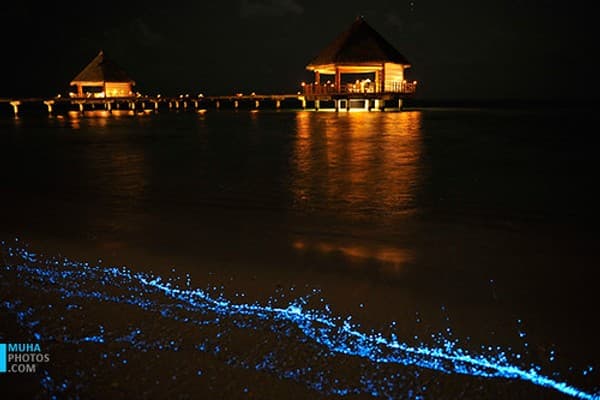
Witness the famous bioluminescent shorelines of Vaadhoo Island, Raa Atoll — locally called the "Sea of Stars". The glow comes from microscopic plankton (dinoflagellates) that emit light when disturbed, turning waves, footprints and swimming trails into a surreal blue spectacle. This is a natural, unpredictable phenomenon and sightings cannot be guaranteed, but Vaadhoo is one of the most reliably luminous spots in the Maldives.
Location
Vaadhoo Island, Raa Atoll (Vaadhoo), Raa Atoll (administrative atoll), Maldives
Duration
Typical visit: 1–3 hours on the beach (plus travel time). For organized trips expect 3–6 hours including transfers.
Best Time to Visit
Most reliable viewing: dark, moonless nights and calm seas. The glow can be seen year‑round, but plan around the new moon and avoid bright moonlight or cloudy, stormy nights. Dry season (roughly November–April) often has clearer skies for photography.
Pricing
Typical costs (approx.):
- Free: If you are staying on Vaadhoo island or reach the beach by yourself.
- Local boat transfer: US$ 30–80 per person (short inter-island speedboat from nearby islands).
- Day/night trips from larger islands/Malé: US$ 100–250 per person (includes speedboat transfer, guide, sometimes dinner).
- Prices vary by season, group size and included transfers — confirm with local operators. Many resorts include night-tours in activity packages.
Activity Type
Coordinates
Highlights
Walking along the shoreline as waves and footprints glow electric blue
Long-exposure photography opportunities — create surreal star-trail-like water effects
Optional night swims that leave luminous trails behind movements
Remote island atmosphere with minimal light pollution
Chance to see other nocturnal marine life (bioluminescent plankton often accompanies calm, warm waters)
Itinerary
Arrival and settle in; watch the sunset
Arrive before full darkness. Sunset on the horizon is a beautiful precursor and gives time to prepare gear. Avoid using bright lights on the beach.
Explore shoreline & scout viewing spots
Walk quiet stretches of sand to find the calmest water and darkest sky. Keep phone/torch light to a minimum or use a red filter.
Prime bioluminescence viewing and photography
Best visibility after full darkness. Gently disturb water or walk along the wet sand to trigger glow. Use tripod and long exposures for photos.
Night swim (optional, guided)
If you choose to swim, use a life jacket if not a strong swimmer and swim with a buddy or guide. Expect luminous trails following movement.
Head back to accommodation or boat
Respect local quiet-hours and avoid leaving litter. Many tours return shortly after peak viewing to minimize disturbance.
Safety Requirements
Do not swim alone at night; use a buddy system or local guide.
Wear a life jacket if you are not a confident night swimmer.
Avoid strong lights and flash photography — these reduce visibility and can disturb wildlife.
Do not collect or remove sand, plankton or marine life — this is a protected natural phenomenon.
Be cautious of sharp coral, rocks and uneven sand when walking at night; wear appropriate footwear.
Tips
Bring a tripod and set your camera to long-exposure (e.g., 5–30s) for best photos; use manual focus set to infinity.
Use a red-filtered torch or cover a flashlight with red cellophane to preserve night vision.
Check the moon phase: aim for new-moon or nights with minimal moonlight for maximum glow.
Remove lotions, sunscreens or soaps before entering the water — chemicals reduce bioluminescence.
Respect local communities: ask permission before visiting small island villages and avoid loud groups.
Carry a waterproof case for phones and pack mosquito repellent and light warm layers (sea breeze can be cool).
Be patient — the phenomenon can vary night to night. If you don’t see it on one beach, try another nearby stretch.