Swim with whale sharks
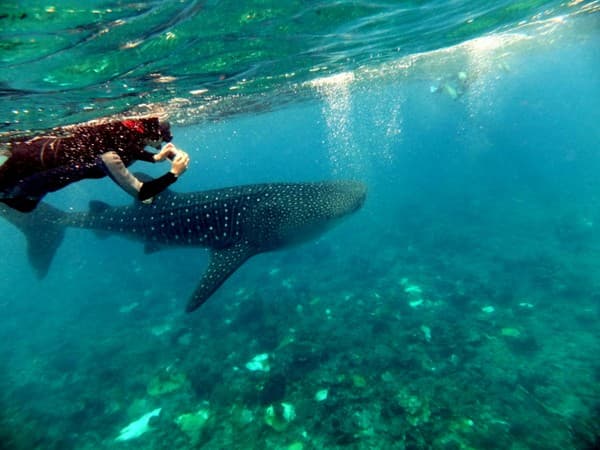
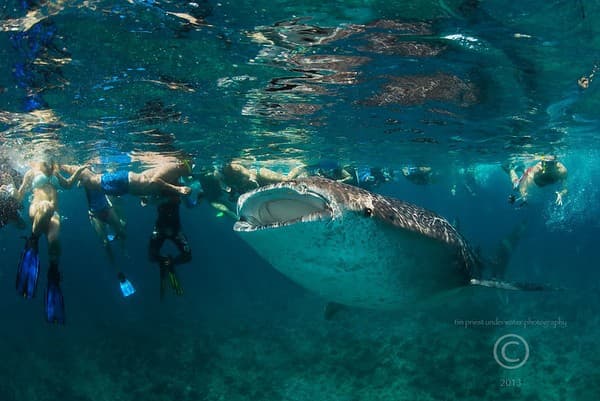
Swim with whale sharks in South Ari Atoll — one of the Maldives' most reliable hotspots for wild whale shark encounters. This guided boat trip takes you to feeding and cruising areas near Maamigili and surrounding channels where gentle whale sharks congregate. The activity is suitable for confident snorkelers and snorkel-certified divers; operators use brief, supervised in-water rotations to maximise encounter time while protecting the animals.
Location
South Ari Atoll (Alif Dhaal) — around Maamigili, Dhigurah and nearby channels, South Ari Atoll (no specific city), Maldives
Duration
Typically 4–6 hours for a half-day trip. Full-day, sunset or liveaboard options available (1–7 days for liveaboards).
Best Time to Visit
November–April is peak season (calmer seas, higher encounter rates). Whale sharks can be sighted year‑round, but numbers and visibility are often better in the dry season.
Pricing
Typical pricing ranges:
- Shared half-day trip (join-in) — USD 80–140 per person
- Full-day or extended trips — USD 140–220 per person
- Private charter or exclusive boat — USD 300–800+ (depending on boat and itinerary)
- Liveaboard packages (multiple days including whale shark sites) — USD 300–1500+ per person (Prices vary by season, departure point, and whether transfers from Malé/resorts are included.)
Activity Type
Coordinates
Highlights
High probability of encountering whale sharks in their natural environment
Short, supervised in‑water rotations to maximise safe viewing
Expert local guides and spotters who know seasonal feeding sites
Opportunity to see other marine life: manta rays, reef sharks, turtles and vibrant coral reefs
Great underwater photography opportunities (wide‑angle)
Options to combine with reef snorkeling or dive sites later in the day
Itinerary
Pickup from resort, hotel or Malé harbor; transfer to boat and safety briefing.
Exact pickup time depends on departure point. Ask your operator about included transfers.
Transit to likely whale shark sighting zones; spotter lookout is used en route.
Transit time varies with departure location. Operators often use experienced spotters or drones when permitted.
In‑water rotations to swim and snorkel near whale sharks; short surface intervals on the boat between rotations.
Participants usually enter the water in small groups to reduce disturbance. Follow guide instructions and rotation times.
Optional additional snorkel at a reef site or second search for wildlife, followed by refreshments on board.
Some operators include reef snorkels or dive options depending on time and sea conditions.
Return to harbor or resort; disembark and transfer to accommodation.
Exact return time varies; operators will advise on any changes due to sightings or weather.
Safety Requirements
Must be a confident swimmer; snorkelling experience recommended
Listen to and follow the local guide/crew at all times
Do not touch, chase or block the whale sharks — keep a minimum distance (commonly 3–4 metres) from the animal’s body and 4–5 metres from the tail
No flash photography when close; avoid rapid movements or loud noises
Use reef‑safe sunscreen and avoid wearing fins that could contact the animal
Lifejackets provided for those who need them — use if required
Pregnant guests or those with serious medical conditions should consult doctor and operator beforehand
Operators should have permits — choose licensed, conservation‑minded companies
Tips
Book with an operator that follows strict whale shark encounter guidelines and has good reviews
Bring reef‑safe sunscreen, a hat, towel, and extra dry clothes — keep valuables in a waterproof bag
Use a wide‑angle underwater camera or GoPro for best results; bring spares or power banks
Arrive early and be flexible — wildlife encounters are never guaranteed; peak season increases chances
Consider a liveaboard if you want higher chances and multiple searches over several days
Respect local rules: don’t feed or attempt to attract animals and follow briefings carefully
Tip the crew if service and guidance were good; many rely on small gratuities
Check cancellation and transfer policies; weather can affect schedules