Visit a Marine Discovery Centre
Interactive, conservation-focused centre visits run by island resorts in the Maldives. Centres combine short interpretive talks and displays, touch tanks, coral nursery visits, supervised snorkels and excursions (when available) to observe reef life and larger megafauna such as manta rays and sea turtles. Activities are designed for families, snorkelers and non-swimmers wanting to learn about local marine ecosystems and support ongoing research and coral-restoration efforts.
Location
Marine Discovery Centre — Landaa Giraavaru (Baa Atoll) or Kuda Huraa (Kaafu Atoll), Baa Atoll / Kaafu Atoll islands, Maldives
Duration
Typical visit: 1–3 hours. Full-day or multi-day citizen-science or volunteer placements also available.
Best Time to Visit
Year-round for centre activities; for manta-ray viewing in Baa Atoll (near Landaa Giraavaru & Hanifaru Bay) the prime months are May–November (peak June–October). Drier season (November–April) is excellent for visibility and calm seas for snorkelling around Kaafu Atoll.
Pricing
Typical session fees range from USD 25–80 per person depending on inclusions (basic centre visit and talk: ~USD 0–25; guided snorkel, boat transfers or coral-planting sessions: USD 30–80; family and multi-activity packages usually available). Many resorts include a short centre orientation free for guests; research/volunteer programs cost more or may be complimentary for long-stay guests.
Activity Type
Coordinates
Highlights
Introductory marine-education talk with live displays and identification guides
Visit to coral nurseries and optional coral-planting experience
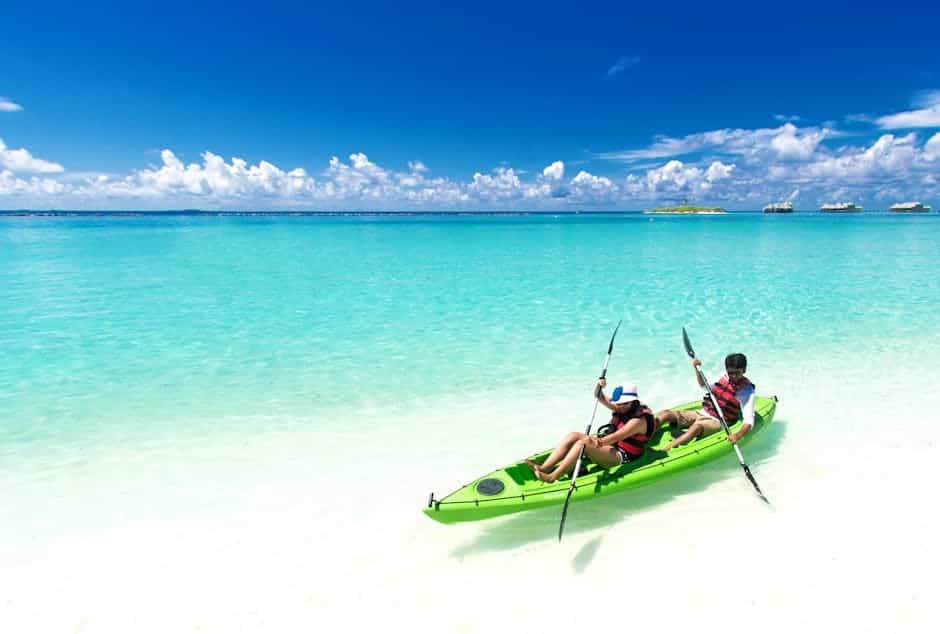
Guided snorkel or boat trip to nearby reef, cleaning stations and manta hotspots (when in season)
Turtle rehabilitation information and possible observation of released turtles
Hands-on touch tanks and kids’ discovery programmes
Opportunities to participate in reef-health surveys, citizen-science projects and night snorkels/dive support
Itinerary
Welcome & introduction
Short orientation covering centre rules, map of local reefs, safety briefing and schedule for the visit.
Interactive talk and aquarium displays
Learn about local species (manta rays, reef fish, corals, turtles), see preserved specimens/identification charts and touch-tank demonstrations for kids.
Coral nursery visit and optional coral planting
Walk to on-site coral nursery (or boat transfer). Staff explain nursery techniques; guests may help plant or outplant coral fragments (age/skill restrictions apply).
Guided snorkel to nearby reef or cleaning station
Supervised snorkel with briefing on marine etiquette and species to watch for. When conditions and season allow, trips may visit manta cleaning stations or rays aggregation sites (permit-dependent).
Q&A, data contribution & wrap-up
Guests can log sightings for research projects, ask staff about volunteering opportunities, and receive recommendations for responsible reef behaviour.
Safety Requirements
Wear a lifejacket if you are not a confident swimmer; guides will provide or require flotation devices for snorkels
Use reef-safe sunscreen only (no oxybenzone/Octinoxate) to avoid damaging corals
Follow guides' instructions closely — do not chase, touch or feed wildlife
Be aware of currents and sea conditions; trips may be cancelled or rerouted for safety
Children must be supervised by an adult at all times; age limits may apply for some activities
Inform staff of any medical conditions (asthma, recent surgery, pregnancy) and carry seasickness medication if needed
Tips
Book in advance, especially in high season and for manta or boat-based snorkels—some sites require permits and limited visitor numbers.
Bring reef-safe sunscreen, a hat, water, a light long-sleeve rash guard for sun protection, and a spare dry set of clothes.
Bring an underwater camera or snorkel mask with camera mount; ask before using flash near animals.
Listen carefully to the briefings: small actions (fins, shadows, touching) can stress reef animals.
If you want to see manta rays, check local seasonality (Baa Atoll’s Hanifaru Bay has peak manta aggregations May–November). Operators often run early-morning or late-afternoon manta trips.
Consider a centre-led citizen-science session—data you submit helps ongoing reef-monitoring and conservation.
Ask whether your participation fee supports the centre’s conservation projects and request a short summary of recent findings or successes.