Baa Atoll UNESCO Biosphere Reserve, Maldives
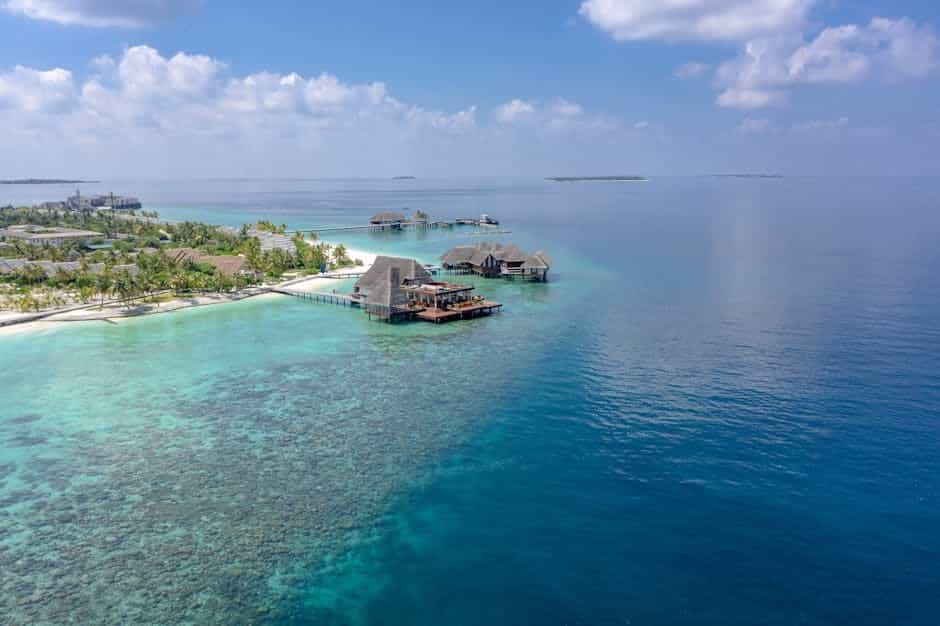
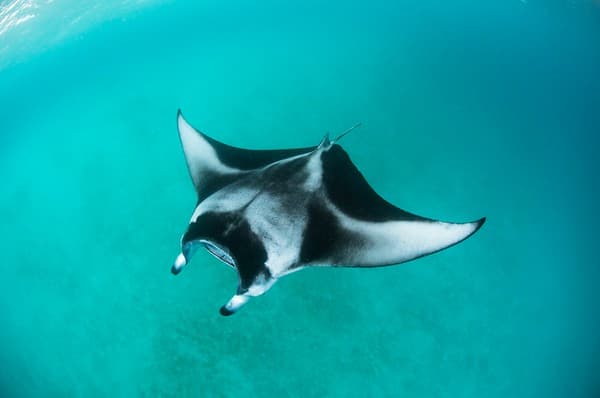
Baa Atoll was designated a UNESCO Biosphere Reserve in 2011 for its exceptional marine biodiversity and for combining conservation with sustainable development. The atoll is globally significant for its coral reefs, seagrass beds, mangroves and for hosting one of the world's most important manta ray and whale shark feeding grounds (Hanifaru Bay). The biosphere reserve model in Baa Atoll supports research, conservation, sustainable tourism and local livelihoods.
Last updated: 30 May 2026
Places to visit
- Hanifaru Bay — world-famous feeding aggregation site for manta rays and occasional whale sharks
- Extensive coral reefs and dive sites offering high biodiversity
- Seagrass meadows and mangrove islets that support turtles and coastal fish nurseries
- Inhabited local islands offering cultural visits and community-based tourism
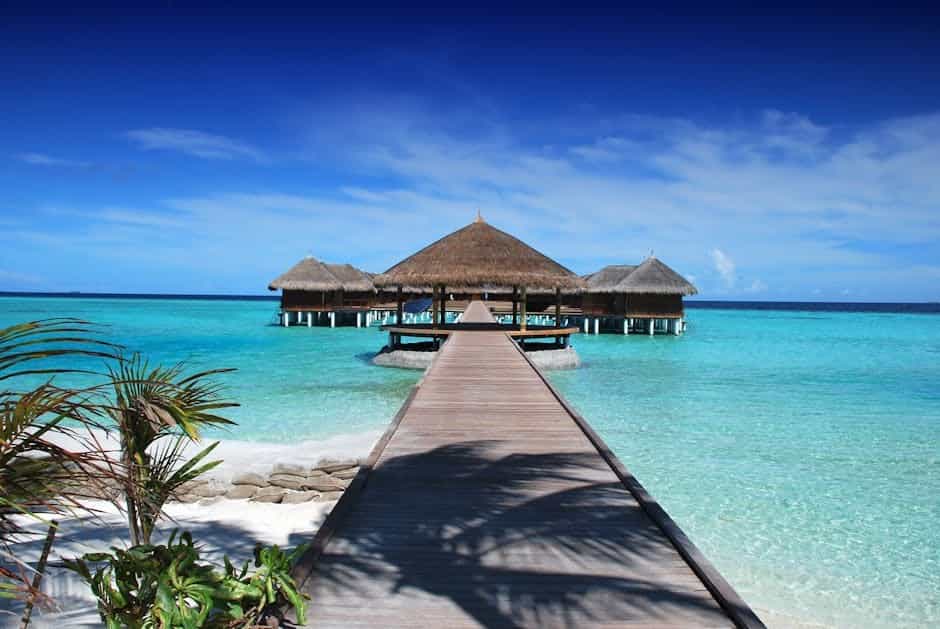
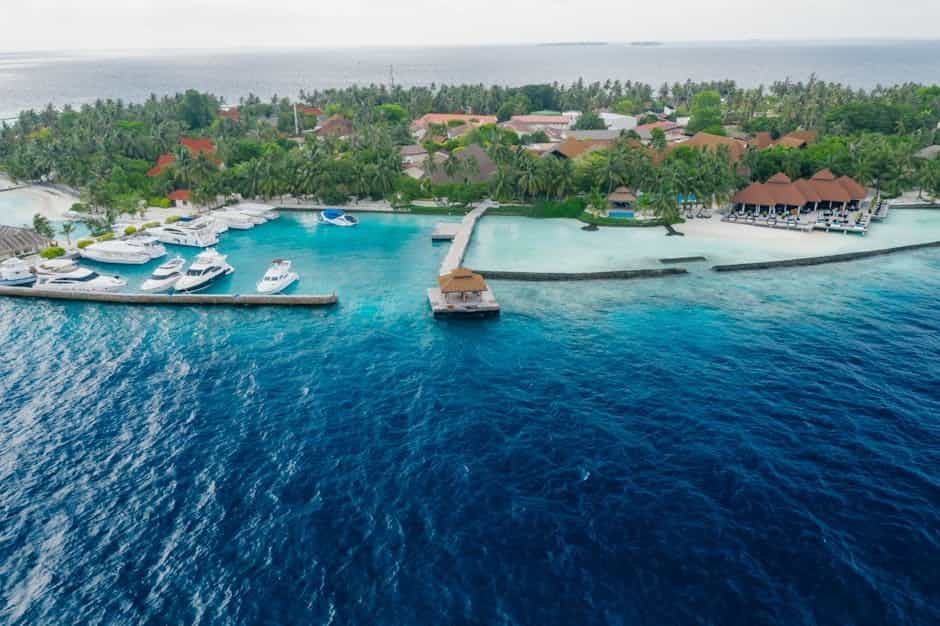
- Eco-resorts and research centres focused on marine conservation
Unique Aspects
- Seasonal plankton blooms that create spectacular manta and whale shark feeding events
- High coral cover and diverse reef structures, including pinnacles and channels
- Seagrass beds important for green turtles and fish nursery habitats
- Zoned management under the biosphere reserve framework balancing protection and sustainable use
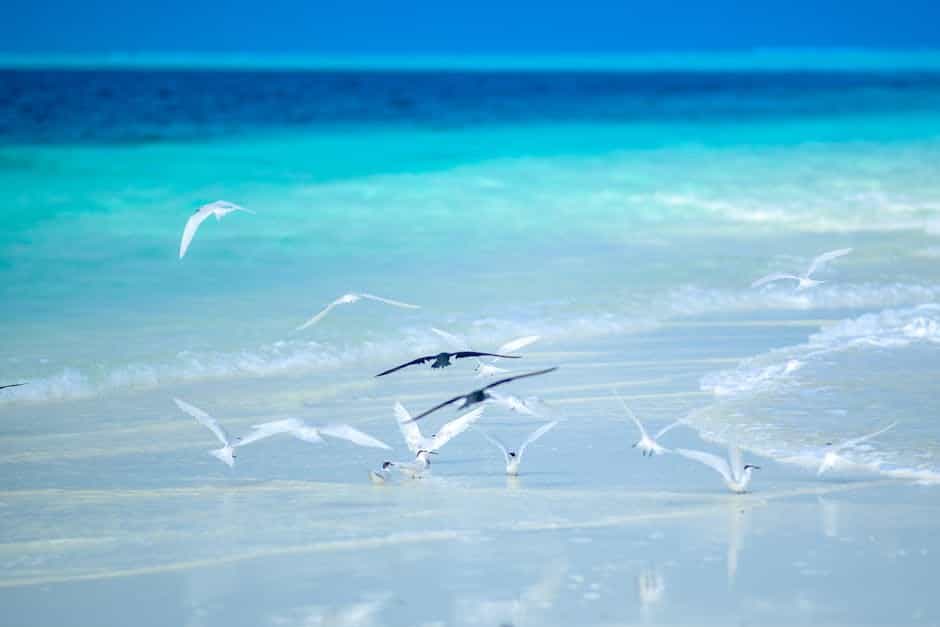
- Rich birdlife on vegetated islets and unique island ecosystems within the atoll
Things to do
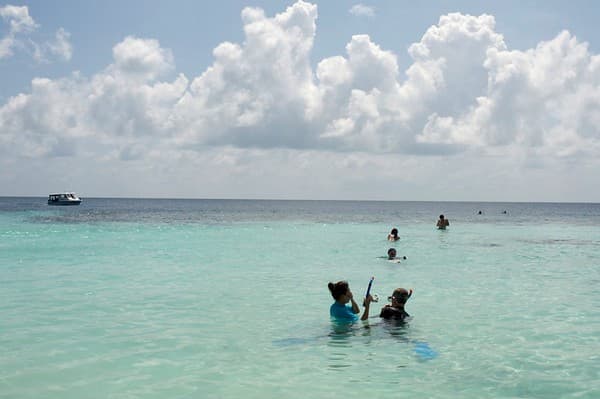
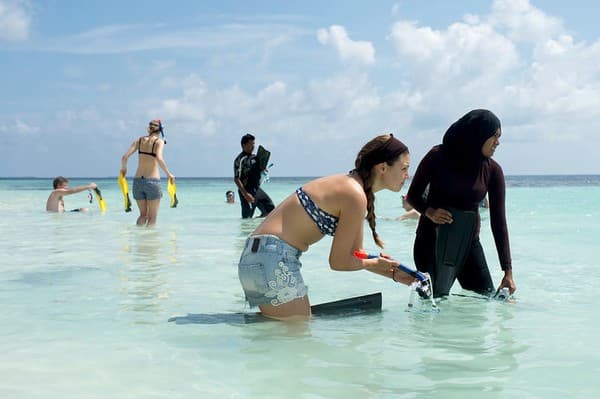
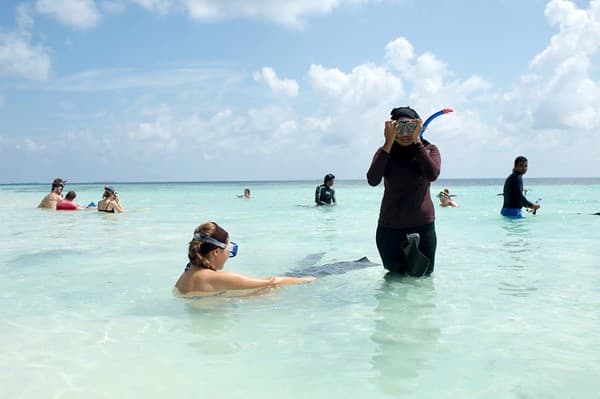
- Guided snorkeling in Hanifaru Bay (regulated, permit-based) to observe manta rays
- Scuba diving on diverse reef sites, wall dives and pinnacles
- Island hopping and sandbank picnics
- Cultural visits to inhabited islands to experience Maldivian daily life
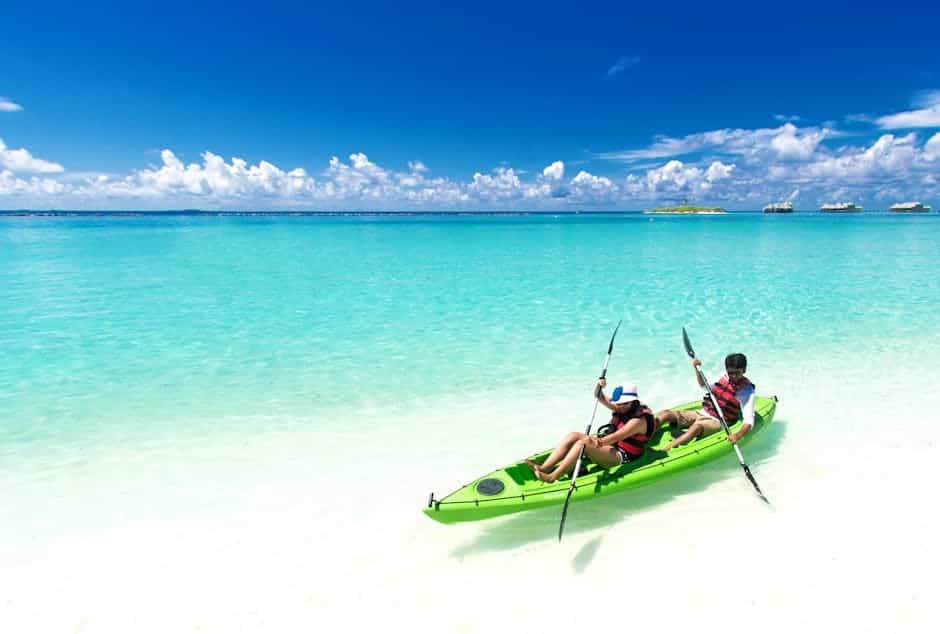
- Kayaking, paddleboarding and small-boat eco-tours
- Citizen science and volunteer programs with local conservation groups
- Photography, birdwatching and sunset cruises
Festivals & Events
- Hanifaru Bay peak season (May–November) — natural event: manta/whale shark aggregation (timing varies year to year)
- Local cultural celebrations such as Eid al-Fitr and Eid al-Adha (dates vary) where visitors can observe community life
- World Oceans Day and periodic local conservation events and beach clean-ups organized by NGOs and community groups
Best Time to Visit
Depends on interests: May–November is the best time to see manta rays and whale sharks (plankton season/aggregation). For generally calm, dry weather and beach conditions choose November–April (northeast dry season).
Weather Conditions
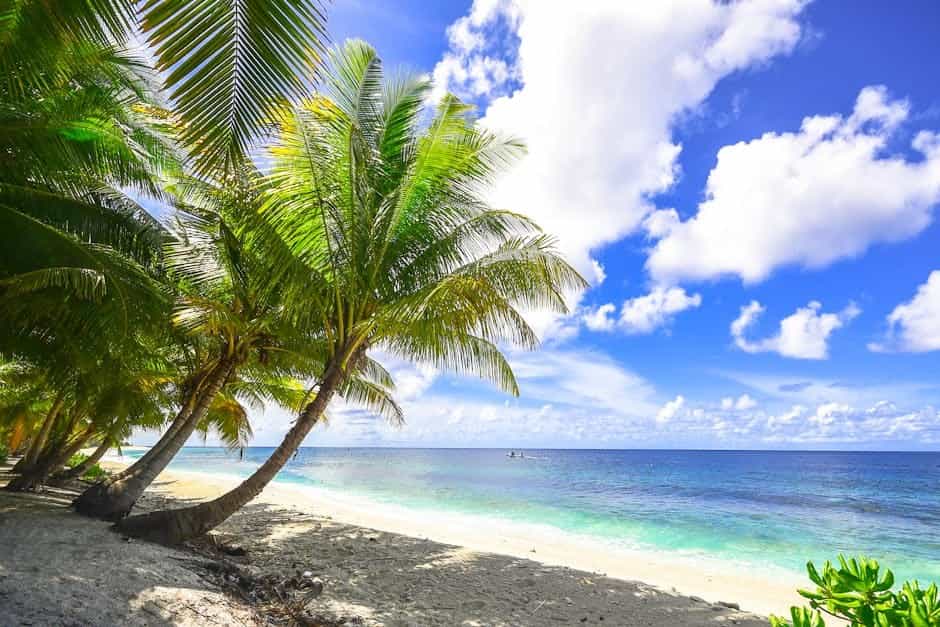
Tropical monsoon climate, warm year-round (typically 26–31°C / 79–88°F). Wet season: May–October (southwest monsoon) with heavier rains and choppier seas; dry season: November–April (northeast monsoon) with sunnier, calmer conditions.
Accessibility
Nearest international gateway: Velana International Airport (MLE), Malé. Transfer options to Baa Atoll:
- Seaplane transfer from Malé to Baa Atoll resorts (commonly 25–40 minutes).
- Domestic flight to Dharavandhoo or nearby domestic airports + speedboat transfer.
- Some inhabited islands are reachable by scheduled ferries (limited schedules). Many resorts arrange transfers on booking. Note: weather can affect seaplane and boat schedules.
Recommended Duration
Recommended stay: 5–7 days to combine manta/whale shark watching, diving/snorkeling and island relaxation. Minimum 3–4 days for a short trip focused on Hanifaru Bay.
Clothing & Gear Tips
Lightweight, breathable clothing for warm weather; modest dress when visiting inhabited islands (shoulders and knees covered). Bring reef-safe sunscreen, a rash guard, quick-dry swimwear, hat, polarized sunglasses, waterproof bag, snorkel gear if you prefer your own, and insect repellent for evenings.
Local Food & Souvenirs
Try local Maldivian dishes such as garudhiya (fish soup), mas huni (shredded smoked tuna with coconut) and freshly grilled seafood. Popular souvenirs: handcrafted lacquerware, woven mats and coir products, coconut-based handicrafts and locally made textiles. Do not buy coral, shells or protected wildlife products — these are illegal to remove or trade.