Everest Base Camp, Nepal
Everest Base Camp (South, Nepal) sits below Mount Everest (Sagarmatha), the highest mountain on Earth. It is a globally significant natural landmark and a focal point for mountaineering history — the departure point for most South Col summit attempts, including the era-defining 1953 expedition by Sir Edmund Hillary and Tenzing Norgay. The region lies within Sagarmatha National Park (a UNESCO World Heritage Site), and it showcases dramatic glaciated landscapes, high-altitude ecosystems, and unique Sherpa culture that has evolved around Himalayan mountaineering and Tibetan-Buddhist traditions.
Last updated: 23 Oct 2025
Places to visit
- Everest Base Camp (South) — the classic target for trekkers
- Kala Patthar — prime viewpoint for sunrise views of Everest’s south face
- Namche Bazaar — main acclimatization hub and Sherpa cultural center
- Tengboche Monastery — important Buddhist monastery with panoramic views
- Sagarmatha National Park — UNESCO World Heritage Site
- Khumbu Glacier and Khumbu Icefall (view from base camp)
- Lukla (Tenzing-Hillary Airport) — gateway to the Khumbu
Unique Aspects
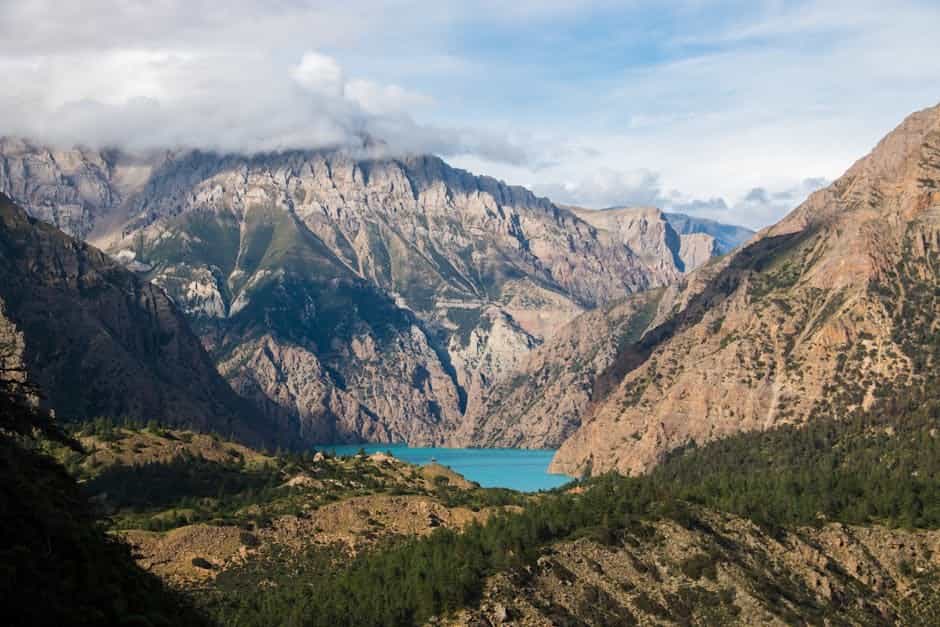
- Close-up panoramic Himalayan scenery including Everest, Lhotse, Nuptse, Ama Dablam
- High-altitude glacial landscapes and moraines (Khumbu Glacier)
- Living Sherpa culture, monasteries, and mani walls
- Teahouse-style trekking lodges along the route
- Opportunities to witness Himalayan flora and wildlife (e.g., Himalayan tahr, musk deer, various alpine birds)
Things to do
- Multi-day trek from Lukla to Everest Base Camp with acclimatization at Namche and Tengboche
- Sunrise hike to Kala Patthar for the best Everest views
- Cultural visits to Tengboche Monastery and interaction with Sherpa communities
- Photography of high-altitude landscapes and glaciers
- Short flights: scenic mountain flight Kathmandu–Lukla or helicopter transfers
- Optional guided climbs and guided acclimatization hikes
Best Time to Visit
Pre-monsoon (spring: March–May) and post-monsoon (autumn: late September–November) are the best windows for stable weather, clearer skies, and views. Winter offers solitude but much colder conditions; monsoon (June–August) is wetter, cloudier, and has higher avalanche risk.
Weather Conditions
Alpine, cold, and changeable. Lower trekking altitudes (Lukla, Namche) are cool; above Namche temperatures drop significantly. Daytime temperatures during trekking seasons can range from around 0°C to 10°C at lower camps, while nights at higher altitudes (near EBC and Kala Patthar) can fall below -10°C to -20°C. Strong winds and sudden storms are possible.
Entry Fees & Permits
Sagarmatha National Park entry permit and a TIMS (Trekking Information Management System) card are required for foreign trekkers. Fees and permit rules change periodically—typical costs (subject to change) include park entry fees and TIMS charges; both offices operate year-round. Park is open all year but services (lodges, flights) are seasonal and weather-dependent.
Accessibility
Typical route: international flight to Kathmandu (Tribhuvan Airport), then domestic flight to Lukla (Tenzing-Hillary Airport) followed by an 8–10 day trek to EBC (or longer with acclimatization). Alternatives: helicopter transfer from Kathmandu or Lukla for speed/comfort. The trek involves steep trails, suspension bridges, and high-altitude walking; prior fitness and altitude acclimatization are essential.
Recommended Duration
Allow 12–16 days for the standard Lukla–EBC–Lukla trek including proper acclimatization; shorter itineraries (8–9 days) exist but increase altitude-sickness risk. Add extra days for weather delays or rest.
Clothing & Gear Tips
Layered clothing system (base layer, insulating mid-layers, windproof/waterproof outer shell), warm down jacket, thermal underwear, sturdy waterproof trekking boots, trekking poles, warm hat and gloves, high-SPF sunscreen, UV-blocking sunglasses, sleeping bag rated to at least -10°C, water purification, basic first-aid kit and altitude medication (e.g., acetazolamide) if advised by a doctor.
Local Food & Souvenirs
Common foods: dal bhat (rice and lentil curry), momo dumplings, sherpa stew (thukpa, noodle soups), tea and instant noodles at teahouses. Souvenirs: prayer flags, thangka paintings, yak-wool clothing and hats, handmade jewelry and beadwork, locally carved walking sticks.