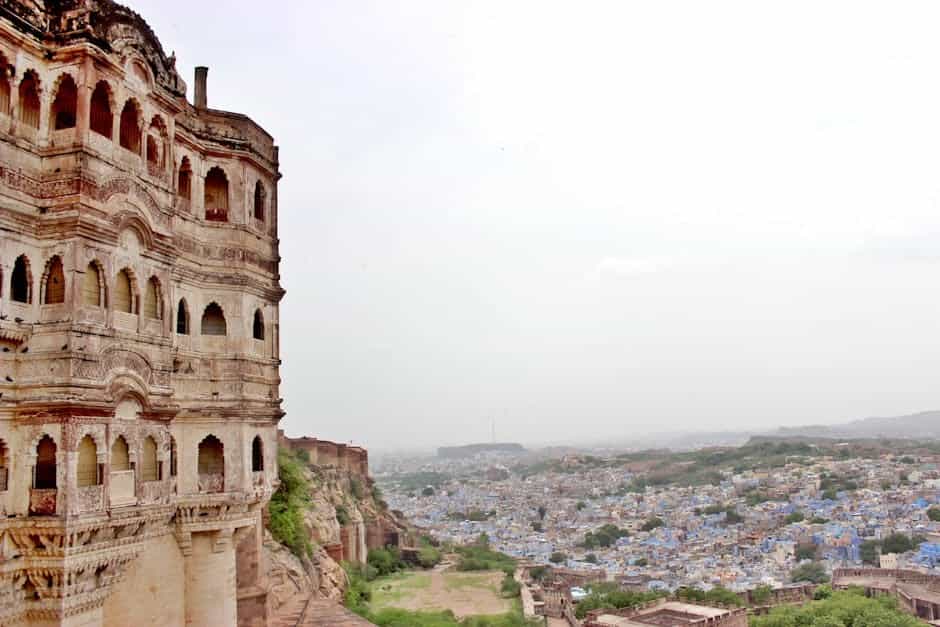
Bhangarh Fort ruins exploration
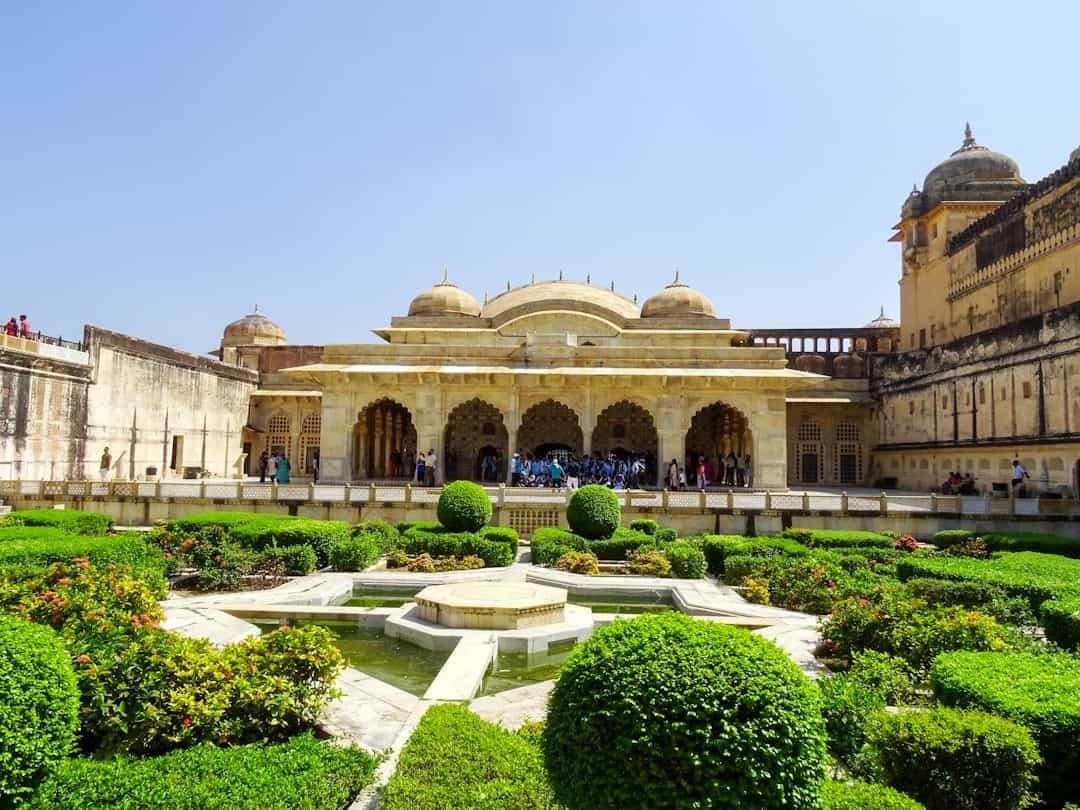
Bhangarh Fort near the village of Bhangarh in Alwar district, Rajasthan, is one of India’s most famous ruined forts — known for its striking 17th-century architecture, extensive ruins, and strong local legends. The activity is a guided or self-guided exploration of the fort complex, nearby temples, stepwells and old bazaar areas set against the Aravalli hills.
Location
Bhangarh Fort, Bhangarh (Alwar), India
Duration
2–4 hours (half-day). A full half-day allows relaxed exploration and time for photography; do not plan to stay after sunset.
Best Time to Visit
October to March for pleasant temperatures. Early morning (after opening) and late afternoon are best for softer light. Important: Entry is prohibited between sunset and sunrise — plan accordingly.
Pricing
Nominal entry fee (varies). Local guide fees optional (fixed or negotiable). Check current ASI or Rajasthan Tourism rates before visiting; foreign visitors and Indians may have different ticket prices.
Activity Type
Coordinates
Highlights
Expansive ruined fortifications and ramparts with panoramic views of the Aravalli hills
Ancient temples within the complex (notable historical carvings and architecture)
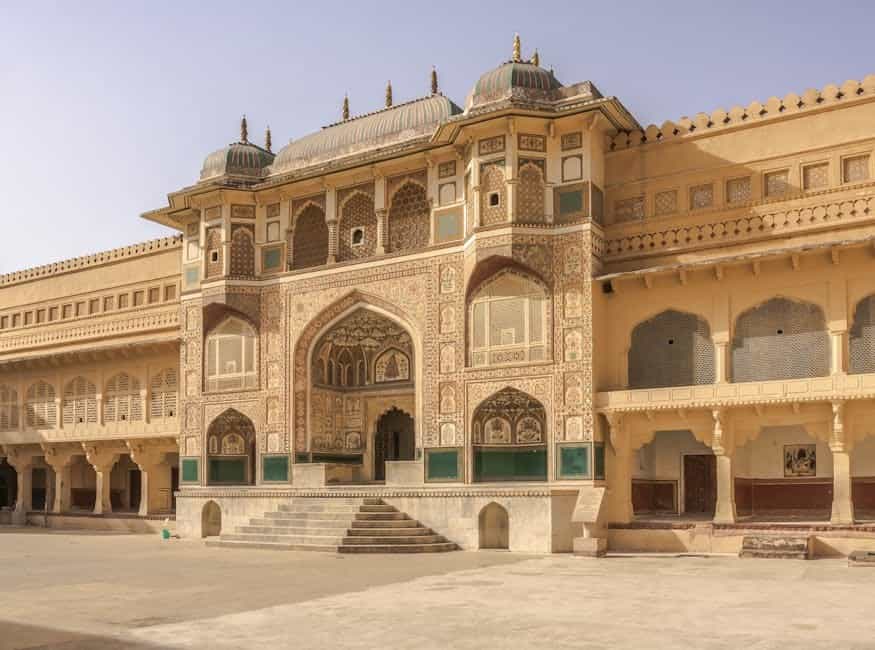
Raja’s palace remains, old bazaar street, and stepwells (historic water structures)
Photographic opportunities: textured stone, arches, staircases and sunrise/sunset light (observe exit rules)
Local folklore and guided storytelling about Bhangarh’s legends and reputed hauntings
Itinerary
Arrive at Bhangarh village and purchase entry tickets. Orient with a local guide if desired.
Carry water and ID; parking available near the entrance.
Explore the main fort complex: ramparts, palaces, temples and marketplace ruins.
Follow marked routes, avoid climbing unsafe ruins, and respect closed sections.
Visit the stepwell / Rani-ki-Baori (and nearby smaller shrines).
Great spot for architectural photography and cooling shade.
Walk to viewpoint on the western ramparts for panoramic photos.
Be mindful of loose stones; use sturdy shoes.
Return to entrance; optional short visit to nearby village market for local crafts and snacks.
Negotiate prices politely and support local vendors.
Safety Requirements
No entry between sunset and sunrise — enforced by the Archaeological Survey of India and local authorities.
Wear sturdy closed shoes; surfaces are uneven and can be slippery or loose.
Carry sufficient water and sun protection (hat, sunscreen) in hot months.
Follow signage and barriers; do not enter fenced/off-limits areas.
If hiring a guide, choose a licensed/local guide familiar with the site and its rules.
Tips
Plan early: Visit after opening to avoid crowds and heat.
Respect the rule about night entry — the fort is legally closed after sunset.
Hire a local guide for historical context, safe routes, and folklore stories — usually enhances the experience.
Carry a small first-aid kit, insect repellent, and a reusable water bottle.
Bring a wide-angle lens or phone with panorama mode for expansive shots, and a telephoto for architectural detail.
Dress respectfully — it’s a historic site close to local village communities.
Check local weather and ASI/ tourism updates before travel; ticketing rules and timings can change.
Avoid littering; help preserve the ruins — take all trash back with you.