Dal Baati Churma meal
Dal Baati Churma is the signature comfort meal of Rajasthan consisting of spiced lentils (dal), baked wheat balls (baati) usually broken and dipped in ghee, and a sweet crushed wheat preparation (churma). This culinary experience is available across various cities in Rajasthan — each city and setting (street stall, family kitchen, royal thali, desert camp) offers a slightly different take on the classic. The meal is hearty, rich in ghee and spices, and central to Rajasthani food culture.
Location
Dal Baati Churma across Rajasthan (Jaipur, Jodhpur, Udaipur, Bikaner, Jaisalmer, Pushkar and surrounding towns), Multiple cities, India
Duration
30 minutes–2 hours for a single meal; 3–6 hours for an immersive culinary tour or village/heritage dinner
Best Time to Visit
October–March (cool, dry season) — though the dish is available year-round. Special festive experiences around Diwali, Teej, and local fairs.
Pricing
Typical price ranges (INR):
- Street / small dhaba: ₹50–150 per serving
- Mid-range restaurant / specialty eatery: ₹200–600 per person (thali)
- Cultural village dinners / heritage hotels / curated culinary experiences: ₹600–1500+ per person Prices vary by city, portion size, and whether the meal is part of a larger thali or event.
Activity Type
Coordinates
Highlights
Traditional combination of spiced lentils (dal), baked/crispy wheat balls (baati) served with generous ghee, and sweet churma.
Regional variations: slightly different spice blends, baati texture, and sweetness levels across Jaipur, Jodhpur, Udaipur, Bikaner, Jaisalmer, and Pushkar.
Options range from street food and family kitchens to royal thalis and desert-camp feasts.
Often served with sides like gatte, papad, kadhi, pickles, and buttermilk (chaas).
Cultural experience: in many places the meal is part of local hospitality traditions and community meals.
Itinerary
Be greeted with buttermilk (chaas) or a small starter; observe baati being warmed or cracked open in front of you in many live preparations.
In villages or heritage setups you may see baatis baked in traditional earthen ovens (tandoor) or over coals.
Taste the dal (often a mix of dals or a special Panchmel dal), break baati, pour ghee, and combine with churma for alternating savory and sweet bites.
Eat with hands as locals do — break baati into pieces, dunk into dal, and finish with churma.
Enjoy accompanying dishes (gatte, kadhi, pickles) and local breads while learning about the dish's history and regional differences from your host or guide.
Cultural explanations often include stories of Rajasthani deserts, warrior-era cuisine, and ghee’s role in preservation.
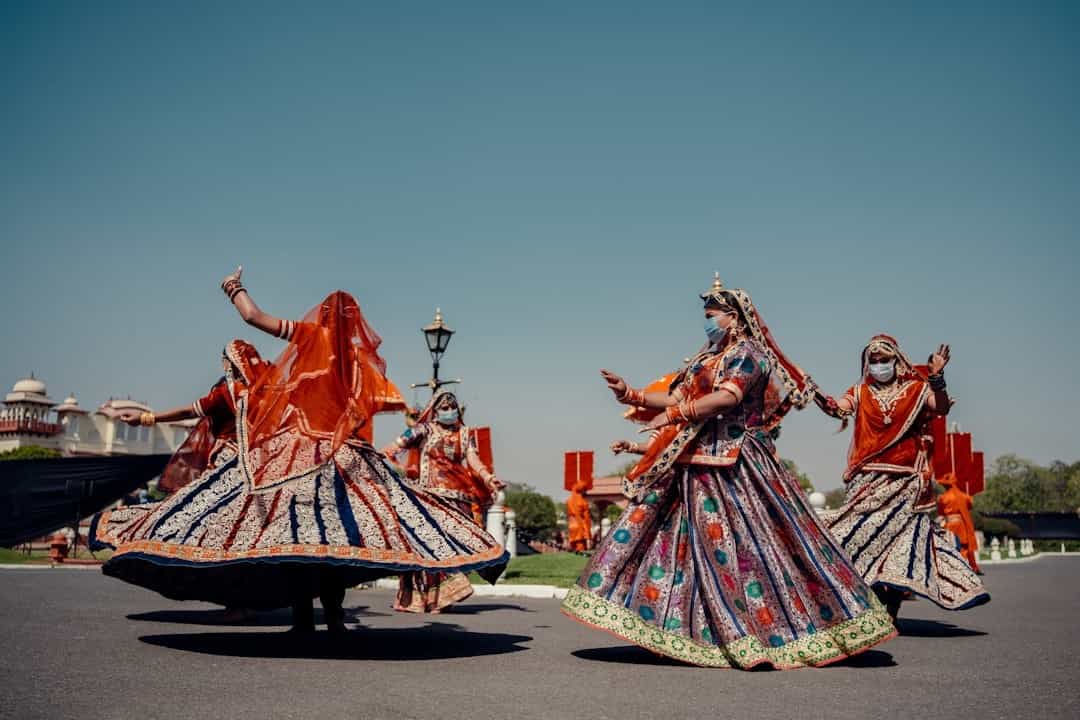
Finish with extra churma or local sweets; in some curated events there may be folk performances or a short cooking demo.
Desert-camp or heritage hotel dinners may include musical or puppet performances after the meal.
Safety Requirements
Inform servers about any food allergies (nuts, dairy, gluten) — the meal uses wheat, ghee (dairy), and sometimes nuts.
Expect high spice and rich ghee; those with digestive sensitivities should take care and drink chaas or water between bites.
Prefer busy, well-reviewed venues for hygiene; in villages request filtered boiled water or bottled water.
If participating in a village or desert experience, be prepared for open-fire cooking and maintain safe distance from hot coals/ovens.
Tips
Eating etiquette: use your right hand to eat, and try the traditional method—break baati, pour ghee, dip in dal, and alternate with churma.
Portions are generous; consider sharing a thali or ordering one serving for two if you're not very hungry.
City-specific tips:
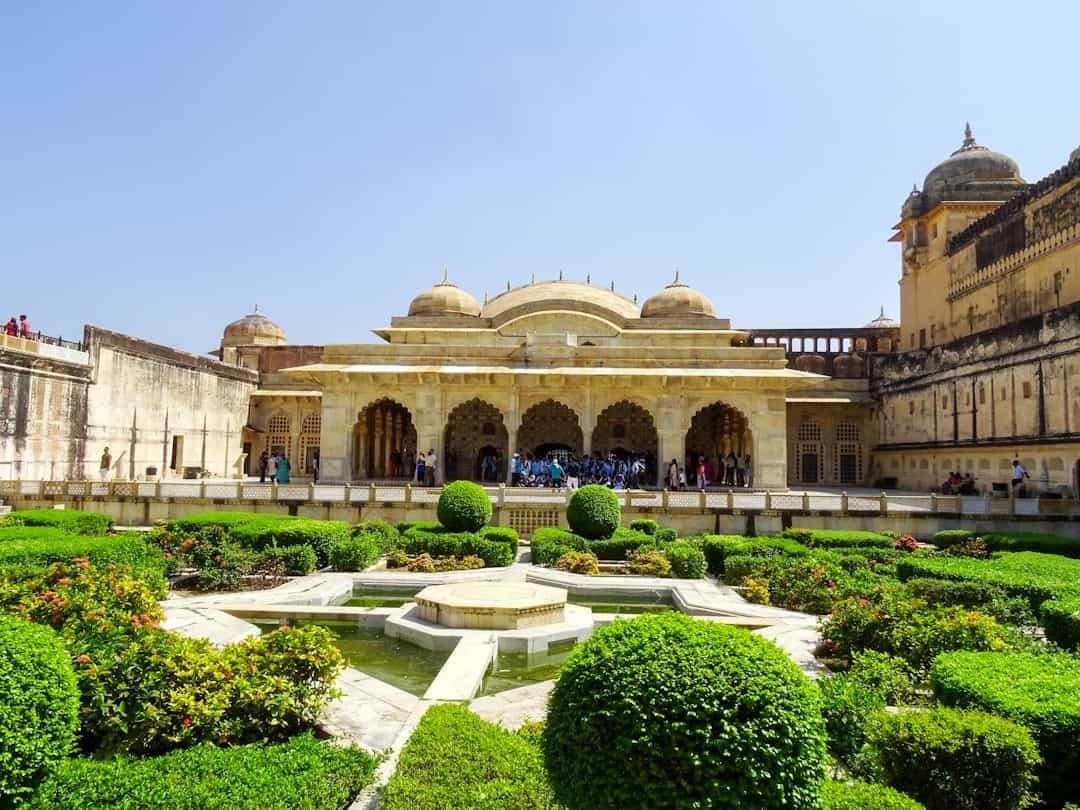
- Jaipur: Widely available in restaurants and theme venues; pair with royal thali experiences.
- Jodhpur: Baatis here are often very crisp and served with generous ghee—try local eateries for an authentic rustic style.
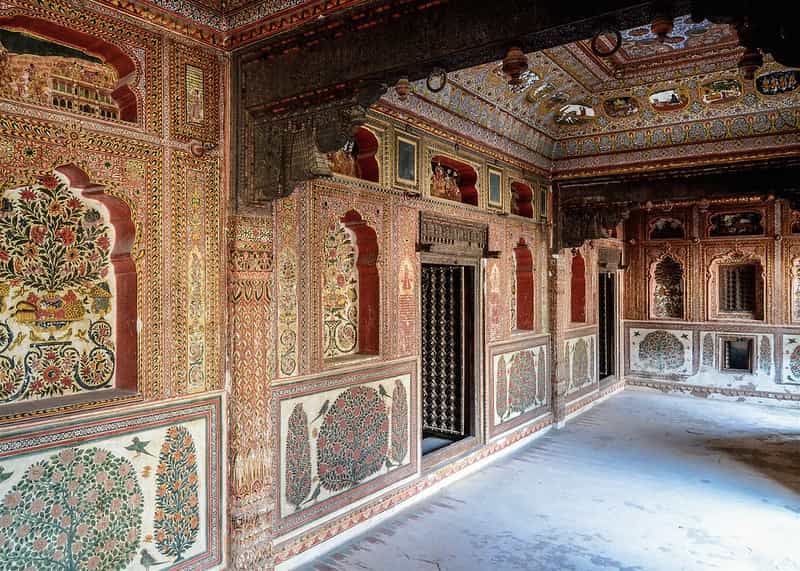
- Udaipur: Often included in traditional Rajasthani thalis at heritage hotels and lakeside restaurants.
- Bikaner: Expect spicier accompaniments and lots of dry snacks; try it at family-run eateries.
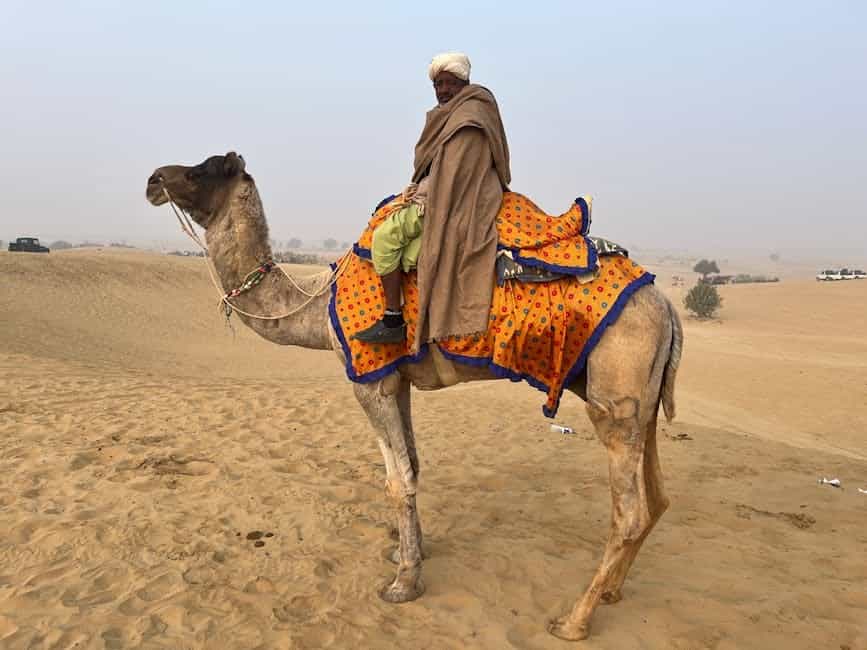
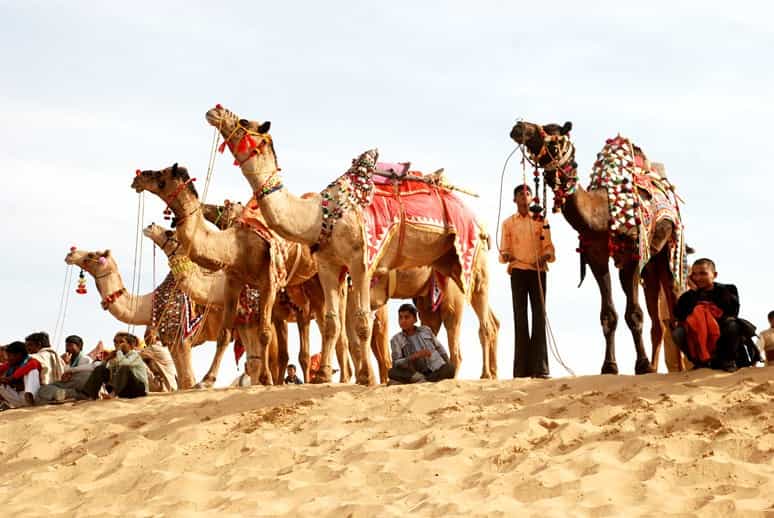
- Jaisalmer: Enjoyable at desert camps — a memorable setting under the stars.
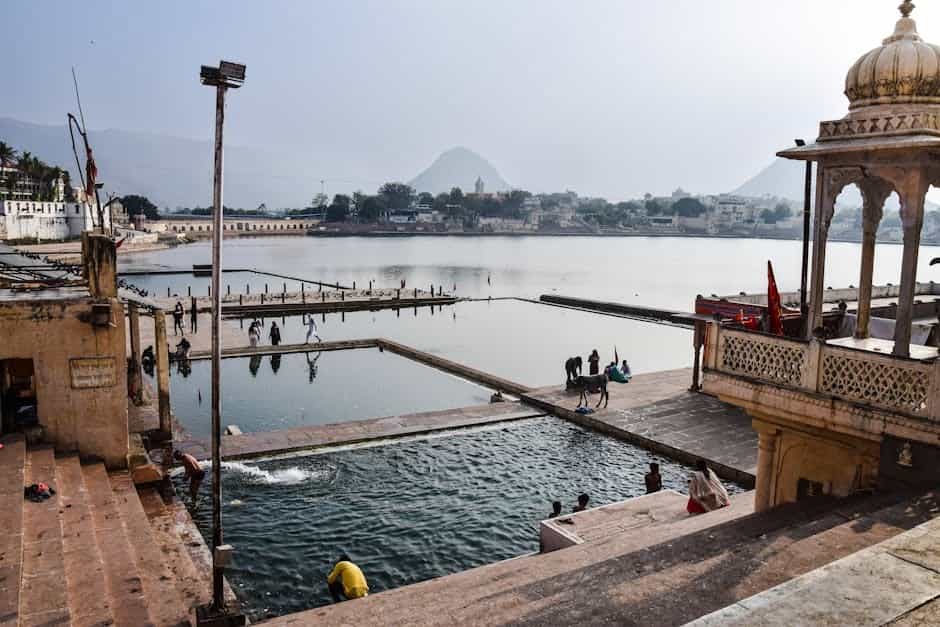
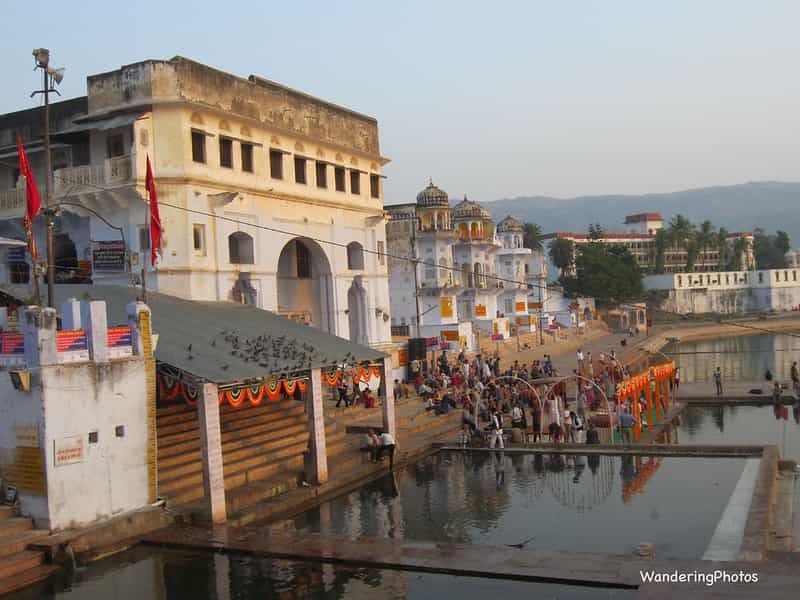
- Pushkar: Found at pilgrim stalls and local restaurants; good for casual tasting.
Ask for a small sample first if you’re unsure about spice level.
For photography: rustic village and desert-camp setups offer the most photogenic presentations — ask permission before photographing hosts.
If you want a cooking lesson, inquire in advance (many family-run places are happy to demonstrate but may require scheduling).