Desert National Park birdwatching
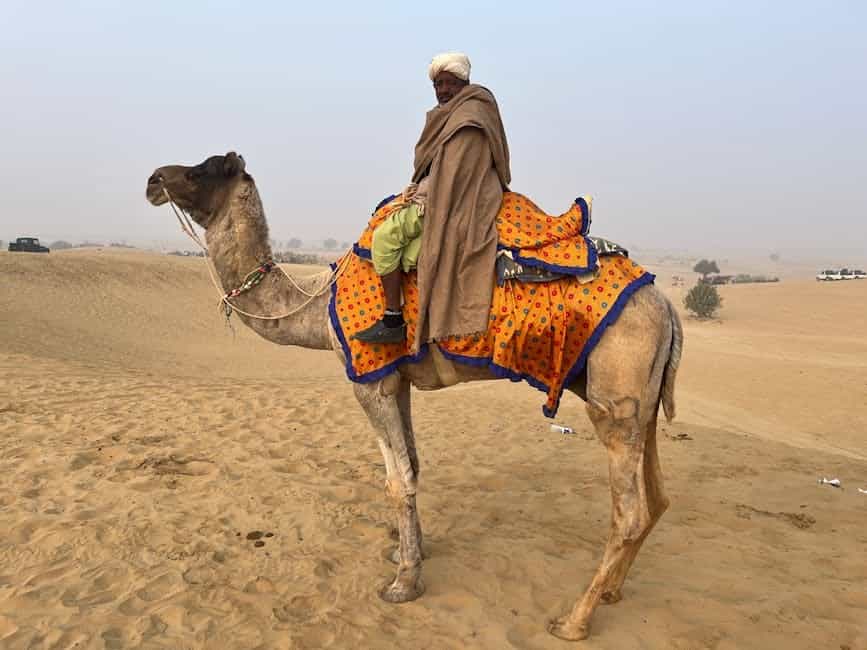
Desert National Park near Jaisalmer offers exceptional desert-adapted birdwatching where arid-land specialists and winter migrants congregate among dunes, saline flats (dhands) and sparse scrub. The park is best known for its desert ecology and is a potential stronghold for the critically endangered Great Indian Bustard (sightings are rare and require patience and luck). Guided birdwatching tours focus on early-morning and late-afternoon sessions to maximize sightings.
Location
Desert National Park (core and buffer zones near Sam, Khuri and Jaisalmer), Jaisalmer, India
Duration
Half-day (4–5 hours) or full-day (6–10 hours). Multi-day itineraries recommended for serious birders wanting to increase chances of rare species.
Best Time to Visit
October to March (cooler months; winter migrants present — November to February are peak months for migrant raptors and cranes). Summers are extremely hot and less comfortable for birding.
Pricing
Typical guided birdwatching half-day: INR 1,500–2,500 per person; full-day private guide/vehicle: INR 3,000–6,000. Forest Department permits and vehicle fees extra (usually INR 200–1,000 depending on vehicle and season). Prices vary by operator, group size and inclusions (binoculars, spotting scope, bottled water).
Activity Type
Coordinates
Highlights
Possible sightings of the Great Indian Bustard (GIB) — extremely rare; follow local guidelines and avoid disturbance
Black-bellied Sandgrouse and Chestnut-bellied Sandgrouse on open flats and near waterholes
Desert specialists: Desert Lark, Ashy-crowned Sparrow-Lark, Sykes's Lark and Indian Courser
Raptors and migrants: Steppe Eagle, Short-toed Eagle, Laggar Falcon, and wintering cranes like Demoiselle Crane (seasonal)
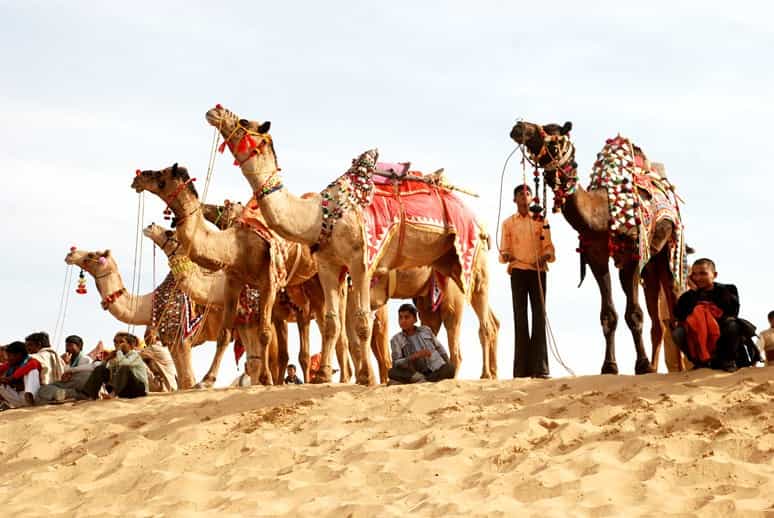
Scenic dune and salt-flat (dhand) landscapes with good light for photography at sunrise/sunset
Itinerary
Early morning birding (half-day)
Start before sunrise to catch peak activity. Visit dune edges, dhands (seasonal saline wetlands) and scrub patches. Ideal for sandgrouse, larks, pipits and early raptor movements. Carry hot drinks and layered clothing.
Afternoon session and dunes
Late-afternoon birding near waterholes and dunes; good for sandgrouse returning to water and raptor activity. Sunset over dunes is excellent for landscape shots.
Full-day guided birdwatching circuit
Combine core park drives with nearby sites such as Sam and Khuri dunes. Picnic lunch in shade; multiple short walks and vehicle-based scanning using spotting scopes. Increases chances for rarer species and migrant flocks.
Extended survey for rare species
Staying 2–3 days with a local guide improves odds of locating GIB or other rare birds. Coordinate with Rajasthan Forest Department for latest GIB information and permitted routes.
Safety Requirements
Carry at least 2–3 liters of water per person; dehydration risk is high, especially outside winter months
Protective sun gear: wide-brim hat, UV sunglasses, high-SPF sunscreen and light long-sleeved clothing
Stay on approved tracks and follow Forest Department / guide instructions to avoid fragile habitats and sensitive species
Be cautious of snakes and scorpions; wear closed shoes and avoid walking in tall scrub without guidance
Carry a basic first-aid kit and inform someone of your planned route if going independently
Obtain required permits from the Rajasthan Forest Department; guided tours often handle permits for you
Tips
Best light: Golden hour (sunrise/sunset) gives best photography and bird activity.
Bring good optics: 8–10x binoculars and a 20–60x spotting scope if possible; a DSLR or mirrorless camera with a 300mm+ lens recommended for bird photography.
Wear neutral, earth-tone clothing to blend with the environment and reduce disturbance to birds.
Hire a local, experienced guide—especially important for locating rare species (GIB) and navigating park regulations.
Check recent reports (e.g., local birding WhatsApp/WhatsApp/telegram groups or eBird) before the trip for current sightings and recommended sites.
Respect rules: do not approach nests or disturb displaying birds; maintain distance from sensitive species.
Plan logistics in Jaisalmer town: fuel, water, shaded rest stops and contingency for flat tires on sandy roads.
If targeting the Great Indian Bustard, be prepared for many unsuccessful attempts — sightings are exceptional and require patience and coordination with authorities.