Kalbelia & Ghoomar folk dance performance
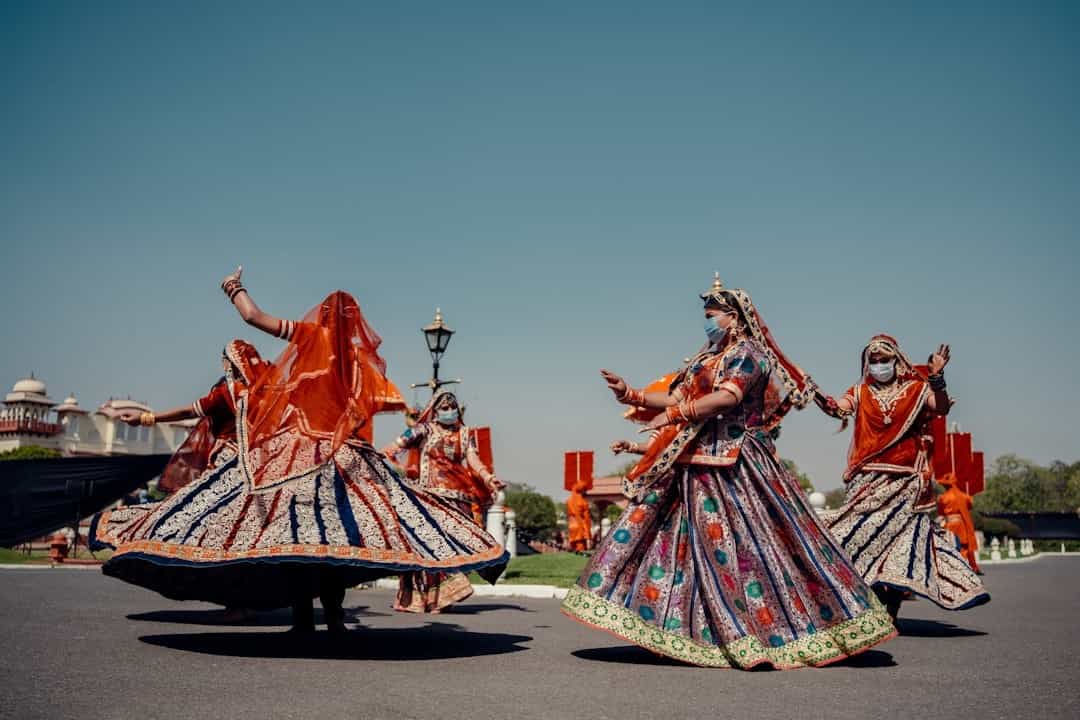
Experience two of Rajasthan's most iconic folk dances in live performances across the state. Kalbelia is the sinuous, fast-paced dance of the Kalbelia (traditionally snake-charmer) community — noted for whirling movements, earthy rhythms and black, embroidered costumes. Ghoomar is a graceful, ceremonial dance performed by women, famous for its layered ghagras (skirts), measured twirls and rhythmic clapping. Performances are staged at heritage havelis, city amphitheatres, hotel courtyards and during festivals in major Rajasthani cities such as Jaipur, Udaipur, Jodhpur, Jaisalmer, Pushkar and Bikaner.
Location
Heritage venues, hotel courtyards, city amphitheatres, festival grounds (various venues), Jaipur; Udaipur; Jodhpur; Jaisalmer; Pushkar; Bikaner, India
Duration
Typically 45–90 minutes for a single show. Combined Kalbelia + Ghoomar programmes or festival showcases can run 60–120 minutes.
Best Time to Visit
October – March (cooler, festival season). Key festival windows:
- Pushkar Fair: Oct/Nov (yearly) — strong chance to see both dances
- Desert Festival, Jaisalmer: February — grand performances
- Teej & Gangaur (monsoon/post-monsoon): regional Ghoomar displays
- Winter months (Dec–Feb): peak tourist season for regular evening shows
Pricing
- Street/market/festival shows: Free to INR 100–300 per person (donation/tip suggested)
- Regular evening shows at cultural centres/hotels: INR 300–1,500 per person
- Private bookings / group performances: INR 2,500–10,000+ depending on duration, group size and travel
- Festival special events (VIP seating): INR 1,000–5,000
Activity Type
Coordinates
Highlights
Kalbelia: rapid whirls, acrobatic ankle bells, live folk instruments (dholak, been/ravanhatta, khartal); costumes: black embroidered skirts and stoles
Ghoomar: elegant, synchronized twirls by women in brightly colored layered ghagras; often accompanied by clapping and harmonic vocals
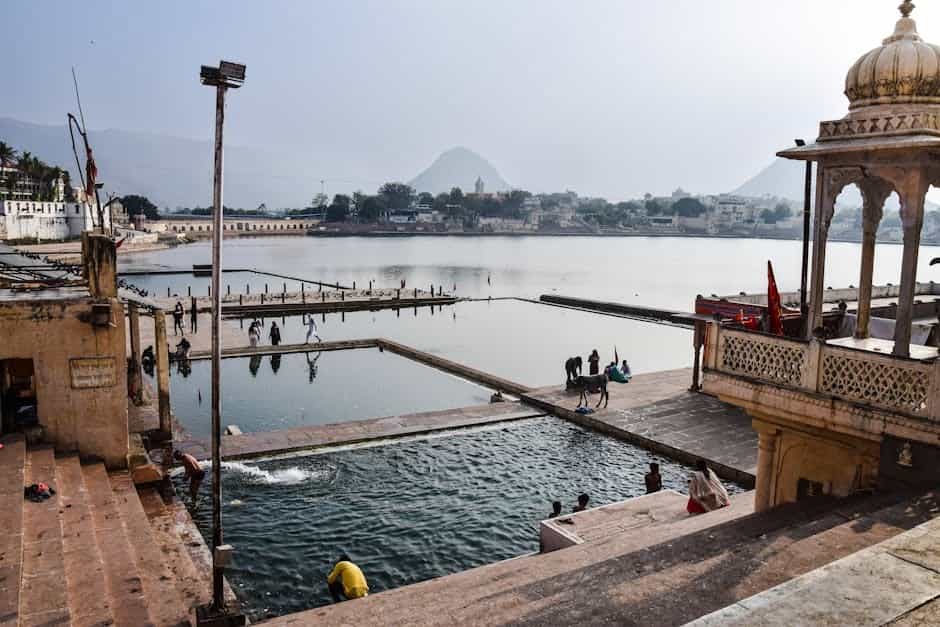
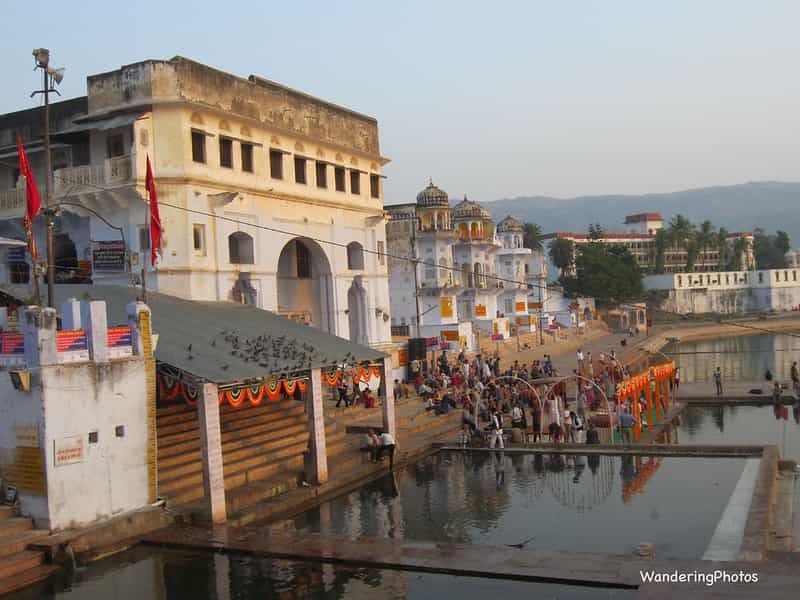
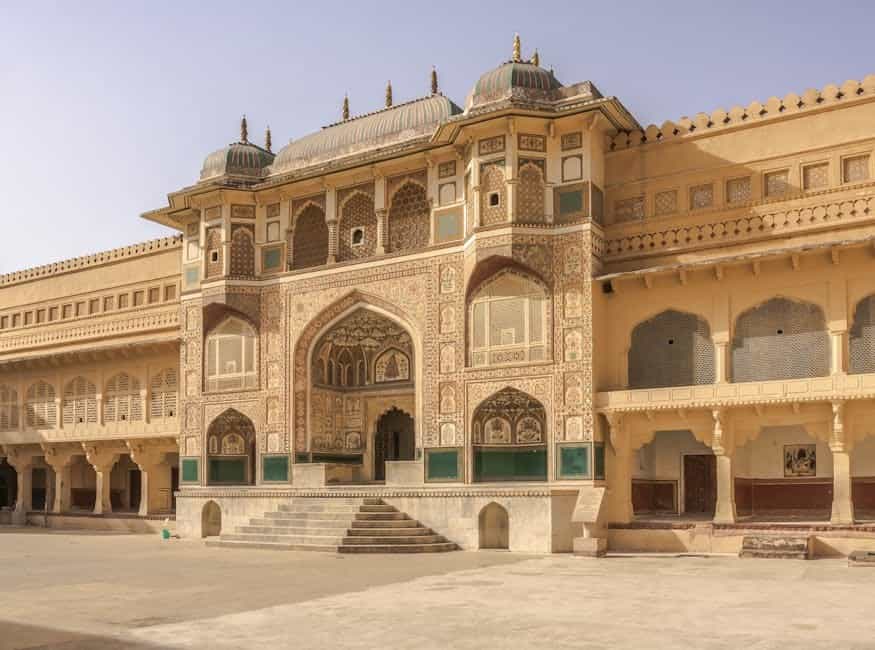
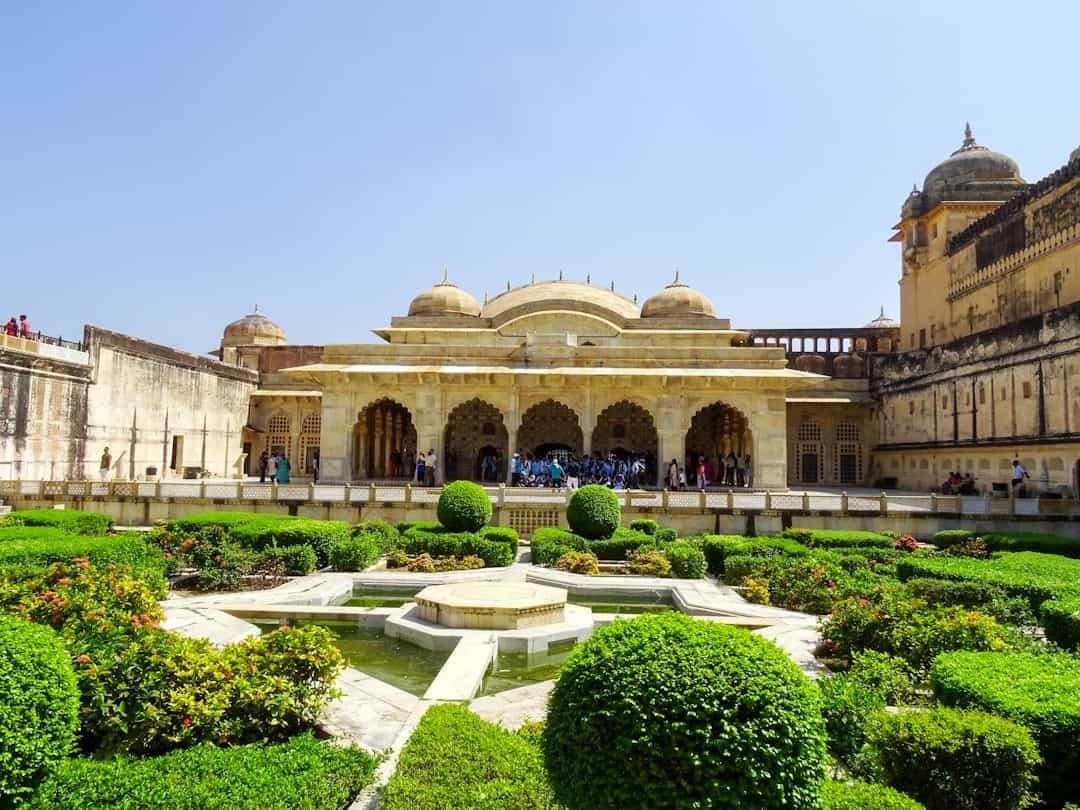
Where to watch: popular cultural centres in Jaipur (Chokhi Dhani, Amber Fort cultural evenings), Udaipur (Bagore-ki-Haveli), Jodhpur (Mandore & Mehrangarh cultural nights), Jaisalmer (Desert camps, forts), Pushkar (ground performances during the fair)
Interactive moments: audience participation segments and photo opportunities often after the show
UNESCO recognition: Kalbelia dance is on the UNESCO Intangible Cultural Heritage list — a culturally important experience.
Itinerary
Arrival & seating
Tea/snacks available at many venues; arrive early for best seats and sunset photos at forts or ghats.
Introduction to the dances
Host/master of ceremonies explains origins, costume and instruments — great time to ask questions.
Kalbelia performance (first set)
High-energy set with fast tempo and acrobatics; recommend watching ankle-work and mirrored pacing of lead dancer.
Interlude — folk music & instrument demo
Musicians may demonstrate instruments (ravanhatta, khartal, dholak) and explain rhythms.
Ghoomar performance (second set)
Graceful, slower-paced twirling sequence; visually striking when performed with large, layered skirts.
Audience interaction & photos
Short Q&A, photo ops with performers (tip respectfully). Some venues sell handicrafts and recordings.
Safety Requirements
Respect cultural norms and performance boundaries — do not step onto the stage without invitation
Keep a safe distance from performers during acrobatic or fast-spinning segments
Follow venue instructions for seating, emergency exits and crowd flow
If photographing, avoid flash if requested (protects performers and instruments)
Take care of personal belongings in crowded festival venues
Tips
Book shows or seats in advance during peak season and festivals
Combine an evening performance with a heritage dinner or fort light-and-sound show for fuller experience
Carry small cash for tips, performer purchases and local donations
Wear comfortable footwear — many venues have uneven stone steps or sandy desert ground
If you want close-up photos, ask politely — tipping is customary after photos
Respect costume and religious sentiments; dress modestly when attending temple-adjacent performances