Karni Mata Temple (rats temple)
Karni Mata Temple, popularly known as the Rats Temple, is a 15th-century shrine dedicated to the Hindu goddess Karni Mata in Deshnoke village near Bikaner, Rajasthan. The temple is renowned for its large population of locally revered black rats (kabbas) that freely roam the temple precincts and are considered sacred. The temple architecture features marble floors, silver doors, ornamental balconies and a sanctum housing the idol of Karni Mata.
Location
Karni Mata Temple, Deshnoke, Deshnoke, Bikaner (near Bikaner), India
Duration
1–2 hours (typical visit)
Best Time to Visit
October to March (cooler months) — early morning or late afternoon to avoid midday heat and when the temple is lively during aarti.
Pricing
Entry to the temple is free. Donations are welcome. Paid services (special aarti, offerings/sevas) are available and prices vary — small donations or sevas typically range from INR 100–1000 depending on the offering and time.
Activity Type
Coordinates
Highlights
Thousands of sacred rats (kabbas) believed to be reincarnated family members or devotees
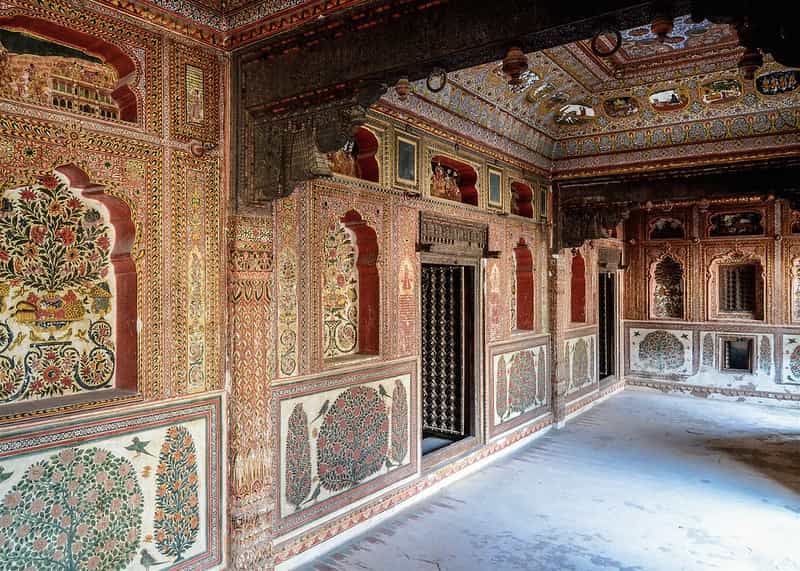
Ornate marble work and silver doors of the temple
The main sanctum and the idol of Karni Mata
Morning and evening aarti ceremonies
Local legends and folklore of Karni Mata
Close-up cultural experience and photography opportunities (with respect to temple rules)
Itinerary
Reach Deshnoke and walk to the temple complex.
Deshnoke is about 30–35 km from Bikaner city (approximately 45–60 minutes by road).
Remove footwear and enter the temple precincts.
Footwear is not allowed inside the temple. Store securely at designated shoe counters or with a porter; carry small change for tips.
Darshan and observing the rats.
Walk slowly and respectfully — the rats move freely. Many worshippers offer sweets or milk; feeding by visitors should follow temple guidance.
Visit the sanctum and view the idol of Karni Mata.
Photography may be restricted in certain inner areas — follow signs and instructions from temple staff.
Attend aarti (if timed) and explore architecture.
Aarti times are more crowded; arriving 10–15 minutes early helps secure a spot.
Purchase prasad/souvenirs and depart.
Local markets around the temple sell sweets, religious items, and guide services for further explanation of temple lore.
Safety Requirements
Remove footwear before entering — temple floors can be slippery; walk carefully.
Maintain hygiene: wash hands/feet after the visit or use hand sanitizer — rats roam freely and the temple is a public place.
If you have allergies to rodents or are immunocompromised, consult a doctor before visiting and take necessary precautions.
Do not touch or attempt to pick up rats; avoid sudden movements to prevent bites or stress to animals.
Follow temple rules on photography and restricted areas to avoid conflict with staff or other devotees.
Tips
Wear comfortable clothes and be prepared to remove footwear — slip-on shoes make this easier.
Carry hand sanitizer and wet wipes; wash hands after darshan.
Visit during cooler months (Oct–Mar) and prefer early morning or late afternoon for pleasant weather and better animal activity.
Respect local customs: speak softly, avoid flash photography where prohibited, and follow instructions from temple staff.
Combine this visit with a trip to Bikaner (Junagarh Fort, Karni Mata is ~30–35 km by road) for a full-day cultural itinerary.
Carry small denominations of cash for donations, shoe storage, prasad, and local transport.
If you suffer from rodent allergies or have a compromised immune system, avoid close contact with the rats and seek medical advice before visiting.