Kumbhalgarh Wildlife Sanctuary trek
The Kumbhalgarh Wildlife Sanctuary trek is a scenic, moderately challenging trek through the Aravalli hills surrounding the historic Kumbhalgarh Fort. The trek combines wildlife viewing (spotted deer, sambar, langurs, and the occasional leopard or sloth bear), sweeping views of the fort and valley, and a chance to walk through dry deciduous and scrub forest typical of southern Rajasthan. Best for nature lovers, birders, and history buffs.
Location
Kumbhalgarh Wildlife Sanctuary (near Kumbhalgarh Fort), Kumbhalgarh (Rajsamand), India
Duration
Half-day to full-day (4–8 hours). Overnight/2-day options available for camp + night trekking or wildlife watching.
Best Time to Visit
October to March for pleasant weather; early mornings and late afternoons are best for wildlife sightings. Avoid the peak summer months (April–June). Monsoon (July–September) offers lush scenery but trails can be slippery and some areas restricted.
Pricing
Typical guided trek package: INR 800–2,500 per person. This usually includes a local licensed guide, entry/permit fees (forest department permit, small fee for sanctuary), and light refreshments. Transportation, meals, and specialized wildlife safaris are extra. Private customized treks/overnight options cost more.
Activity Type
Coordinates
Highlights
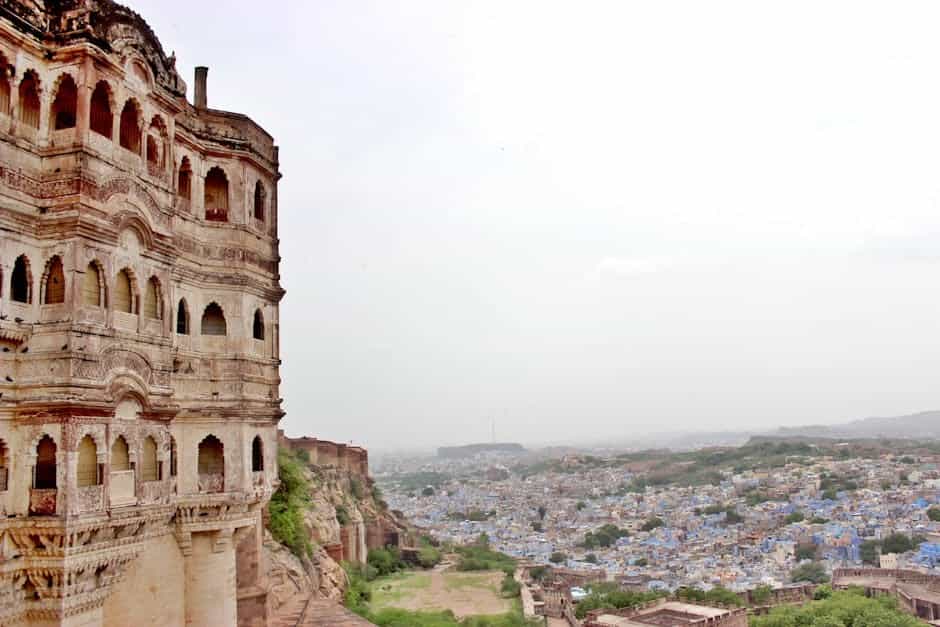
Views of the historic Kumbhalgarh Fort and battlements from multiple vantage points
Wildlife sightings: chital (spotted deer), sambar, nilgai, langurs, jungle cat, hyena, and occasional leopard/sloth bear (rare)
Rich birdlife: Indian peafowl, crested serpent eagle, raptors, and migratory species in winter
Scenic Aravalli ridge walks, rocky outcrops and panoramic valley vistas
Cultural and historical context — proximity to Kumbhalgarh Fort and local villages
Itinerary
Meet at Kumbhalgarh village/visitor point and register with the forest department.
Carry ID for permits; meet your local licensed guide. Early starts improve wildlife chances and cooler temperatures.
Begin trek along designated trails (ridge walk and forest tracks).
Moderate gradient, mixed rocky and dirt paths. Short breaks for wildlife/birding and photos.
Tea/snack break at a scenic viewpoint.
Enjoy panoramic views of the fort and valleys; watch for langurs and birds.
Continue trek to explore deeper sections or loop back toward the sanctuary entrance.
Option to include a short visit to a nearby village or to arrange a jeep pickup if available.
Return to base, complete exit formalities with forest department.
Optional lunch at local dhaba or return to Udaipur/nearby towns.
Safety Requirements
Obtain required forest department permits and register at the sanctuary entry
Hire a licensed local guide — guides know animal patterns, safe routes and local regulations
Keep a safe distance from wildlife; never attempt to feed or approach animals
Carry sufficient drinking water (min 2 liters per person for half-day), snacks, and a basic first-aid kit
Wear sturdy trekking shoes with good grip; some sections are rocky and uneven
Avoid solo trekking inside the sanctuary after dusk; wildlife (including leopards and sloth bears) may be active
Check weather/monsoon advisories; trails may be closed during heavy rains
Inform your guide of any medical conditions and carry necessary medications
Tips
Start early (sunrise) for the best wildlife and cooler trekking conditions
Wear sun protection: hat, sunglasses, and sunscreen — Rajasthan sun can be strong even in winter
Carry binoculars and a telephoto lens for wildlife and bird photography
Respect local rules: no littering, avoid loud noises and follow guide instructions
Pack light layers — mornings can be chilly while mid-day warms up; carry a light rain jacket in monsoon season
Book permits and guides in advance during peak season (Oct–Mar)
Support local economy: hire local guides and consider eating at village dhabas
If you plan an overnight camp, confirm sanctioned camping sites and permissions with forest authorities