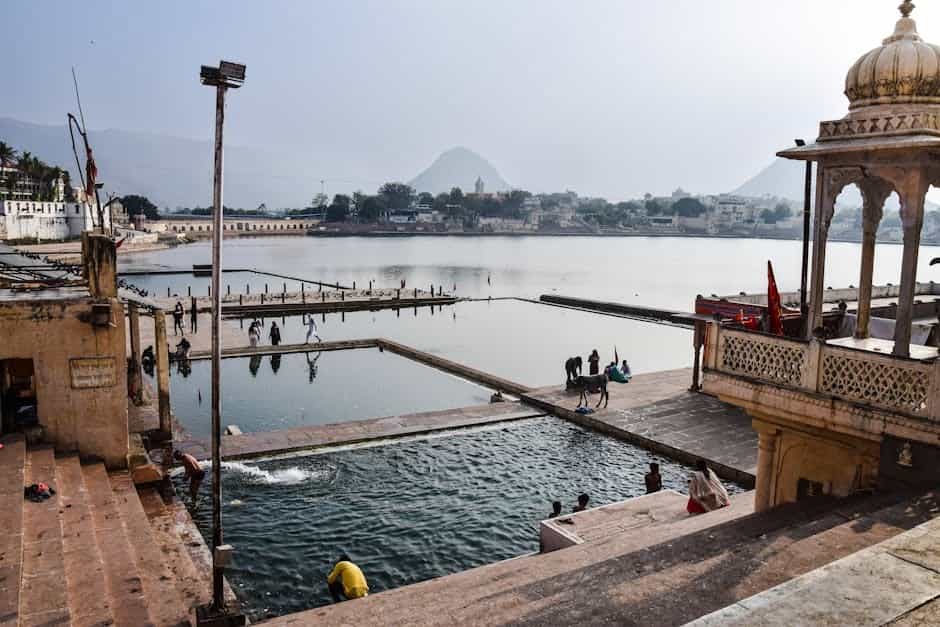
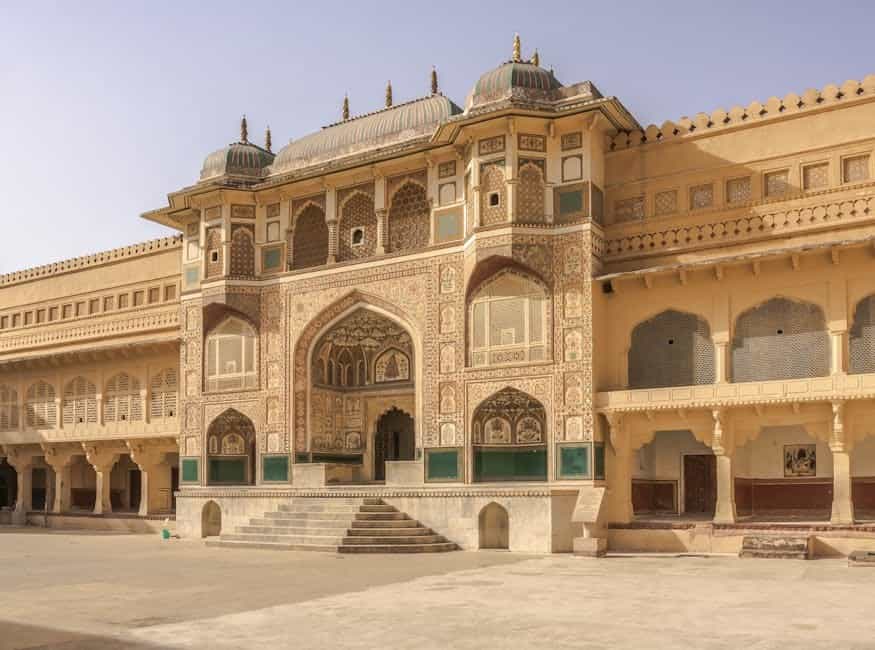
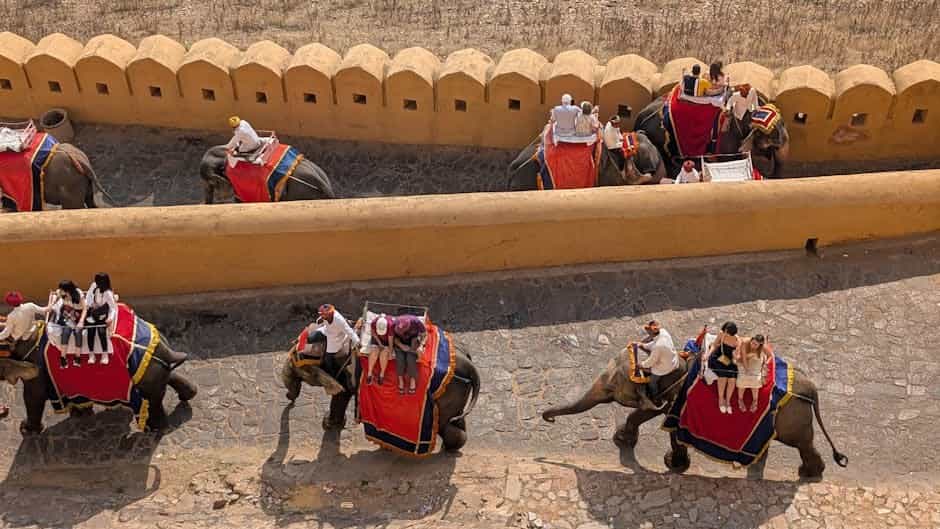
Panna Meena Ka Kund stepwell photography
Panna Meena Ka Kund is a historic 16th-century stepwell located near Amer Fort in Jaipur (Amer), Rajasthan. It's famous for its perfectly symmetrical geometric steps and patterns, making it a favourite subject for architectural and creative photography. The site offers striking perspectives, repeating shapes, and strong light-and-shadow contrasts—ideal for both wide-angle and detail-focused photography.
Location
Panna Meena Ka Kund (near Amer Fort), Amer (Jaipur), India
Duration
1–2 hours (typical photography session). Can be extended to half-day if combined with Amer Fort and surrounding areas.
Best Time to Visit
Best months: October–March for comfortable weather. Best times of day: Sunrise and late afternoon/golden hour for warm light and long shadows; overcast days also work well for even lighting and reduced harsh contrasts.
Pricing
Entry: Free to visit (no formal ticket). Additional costs: parking near Amer Fort or guides may have small fees; drone use requires permissions from local authorities.
Activity Type
Coordinates
Highlights
Geometric symmetry: Repeating steps and platforms create powerful compositions.
Light & shadow: Strong contrast during golden hours that accentuates depth.
Reflections & water patterns: After rains or in pockets of water the reflections add dramatic elements.
Close-up textures: Weathered stone, moss, and carved edges for detail shots.
Compositional variety: Frames, leading lines, top-down and low-angle perspectives.
Itinerary
Sunrise & golden-hour shoot
Arrive early to secure a vantage point. Capture long shadows and warm light; use low-angle shots for depth.
Detail and texture session
Focus on close-ups—steps, stonework, moss, and patterns. Use a macro or short telephoto lens.
Alternate perspectives & people-in-scene shots
Try top-down compositions from the rim (stay behind barriers) and include a person for scale.
Late-afternoon/golden-hour revisit
Re-shoot favorite compositions with softer light; ideal for silhouette and backlit images.
Safety Requirements
Watch your step — stairs are steep, uneven and can be slippery (especially after rain).
Avoid leaning over edges or standing on fragile stonework; do not climb down unsafe areas.
Not recommended for visitors with severe mobility issues — there is little to no formal handrail support.
Keep gear secure — sudden drops and crowds can cause accidents with equipment.
Avoid visiting after heavy rain — water and mud increase risk of slips and the site may be unsafe.
Respect local signage and barriers; follow instructions from local staff or guards.
Tips
Arrive early to avoid crowds and get clean shots without many people.
Bring a wide-angle lens (16–35mm or equivalent) for full-stepwell frames and a 35–85mm for details and portraits.
Use a small tripod or monopod for low-light golden-hour shots—be mindful of space and other visitors.
Shoot during golden hours for dramatic shadows; overcast light for even, flat exposures.
Mind your composition: use symmetry, negative space, leading lines and centered vanishing points.
Check permissions before flying a drone — it is often restricted near heritage or military areas.
Carry a polarizer to reduce glare on wet stones and enhance contrast in the sky.
Wear grippy shoes with good traction — the stone can be slick.
Respect locals and privacy — ask before photographing people, and avoid obstructing pathways.
Combine with Amer Fort visit — both sites are very close so you can maximize shooting opportunities in one trip.