Patwon Ki Haveli & heritage havelis
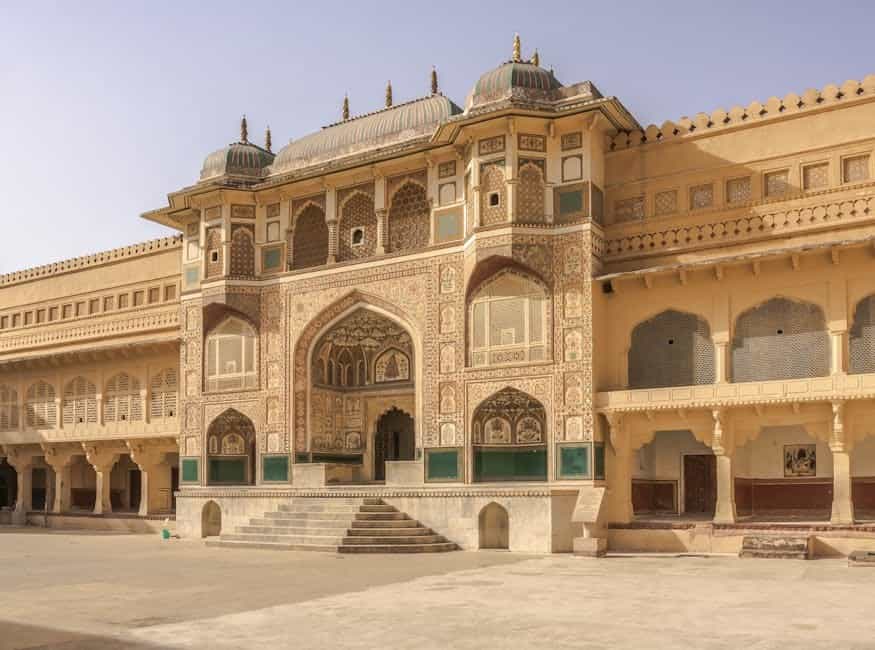
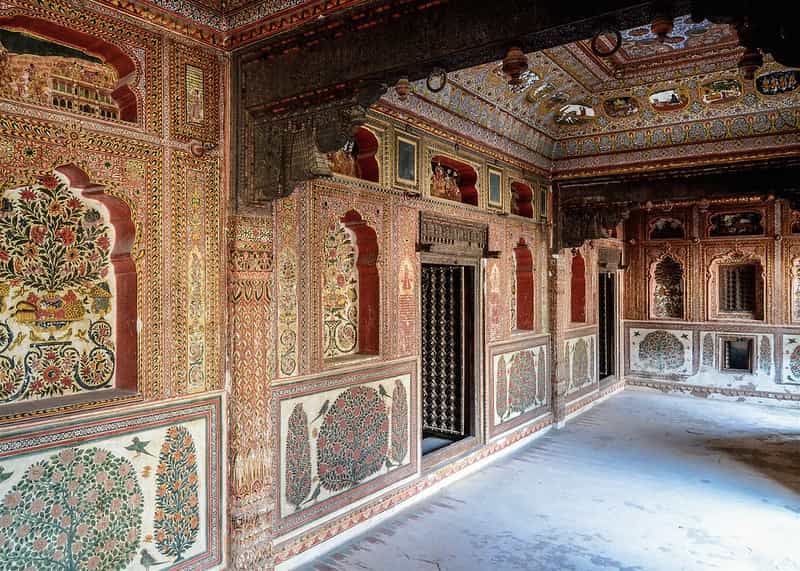
Patwon Ki Haveli is the most famous of Jaisalmer's carved sandstone mansions and part of a cluster of heritage havelis in the old city. Built in the early 19th century by the wealthy trader Patwa family, the havelis display exquisitely detailed yellow sandstone carvings, ornate jharokhas (balconies), mirror work, woodwork and antique furnishings. Visiting offers a compact experience of Rajasthani merchant architecture and everyday life inside the "Golden City."
Location
Patwon Ki Haveli (Sonaron ka Baas), cluster of heritage havelis nearby, Jaisalmer, India
Duration
1–2 hours (short visit) — 3–4 hours if combining with nearby havelis and Jaisalmer Fort
Best Time to Visit
October to March (cool, clear weather). Early morning or late afternoon for softer light and fewer crowds.
Pricing
Approximate: INR 50–100 for Indian nationals, INR 100–250 for foreign nationals. Small additional fees may apply for DSLR photography (approx. INR 50–200). Prices vary—carry cash and check current rates at the ticket counter.
Activity Type
Coordinates
Highlights
Intricate sandstone carvings on facades and columns
Cluster of five connected havelis with different styles and details
Beautiful jharokhas, balconies and carved doorways
Antique furniture, frescoes and old merchant rooms inside
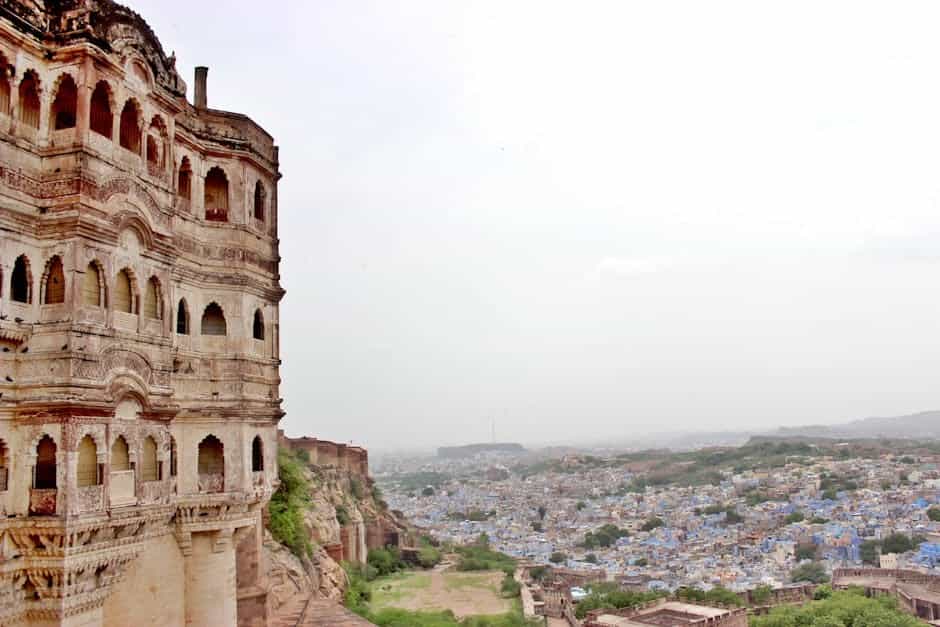
Rooftop views over the lanes of the Golden City and Jaisalmer Fort
Small museum-like rooms showing local artifacts and family heirlooms
Nearby heritage havelis: Salim Singh Ki Haveli, Nathmal Ki Haveli
Local shops selling handicrafts, textiles and miniature paintings
Itinerary
Enter through the ticket counter and walk the immediate courtyard and facades.
Take time to photograph the exterior carvings and jharokhas.
Explore the rooms, corridors, courtyards and the small exhibits of antiques.
Watch for signage and any guides; some rooms are fragile—follow staff instructions.
Climb to the rooftop for panoramas of the old city and fort.
Great time for sunset photos if visiting late afternoon.
Stroll to Salim Singh Ki Haveli, Nathmal Ki Haveli and Jaisalmer Fort (all within short walking distance).
Combine visits to maximize the heritage experience; allow more time for the Fort.
Browse local shops for handicrafts and stop for chai or a light meal in the lanes.
Many small cafés and rooftop restaurants offer views — busy at sunset.
Safety Requirements
Wear comfortable, non-slip shoes — uneven steps and narrow lanes are common.
Carry water and sun protection (hat, sunscreen) especially in hotter months.
Be cautious on stone stairways and rooftop edges; supervise children closely.
Follow instructions about restricted rooms and avoid touching delicate artifacts.
Respect local customs — dress modestly when entering heritage interiors.
Tips
Visit early morning or late afternoon to avoid midday heat and harsh light.
Hire a local guide (available near the entrance) for historical context and hidden details.
Carry small-denomination cash for tickets, camera fees and purchases — card facilities may be limited.
Bargain politely at nearby shops; check quality before buying textiles or antiques.
Combine the visit with Jaisalmer Fort, Gadisar Lake or a short walking tour of the old city.
If you want sunset photos, plan rooftop seating at a nearby café in advance during high season.
Respect photography rules inside rooms — some areas may be restricted or charge extra.