Adhai-din ka Jhonpra, Rajasthan
Adhai-din ka Jhonpra (Ajmer) is an important early example of Indo-Islamic architecture in Rajasthan. Historically, the site is associated with the late 12th and early 13th centuries when Muhammad Ghori's general Qutb-ud-din Aibak is said to have converted an existing building (often described as a Sanskrit college or temple complex) into a congregational mosque. The structure displays the reuse of carved pillars and decorative elements from earlier Hindu and Jain buildings, illustrating cultural and artistic continuity and transition. Culturally, it stands close to the Ajmer Sharif Dargah and forms part of the city's Sufi and pilgrimage landscape. Architecturally, the mosque is notable for its large open courtyard, intricately carved pillars and brackets, ornamental inscriptions, and the striking blend of temple motifs with Islamic calligraphy.
Last updated: 23 Oct 2025
Places to visit
- The main prayer hall with its high arches and recessed mihrab
- Intricately carved pillars and brackets reused from earlier Hindu and Jain structures
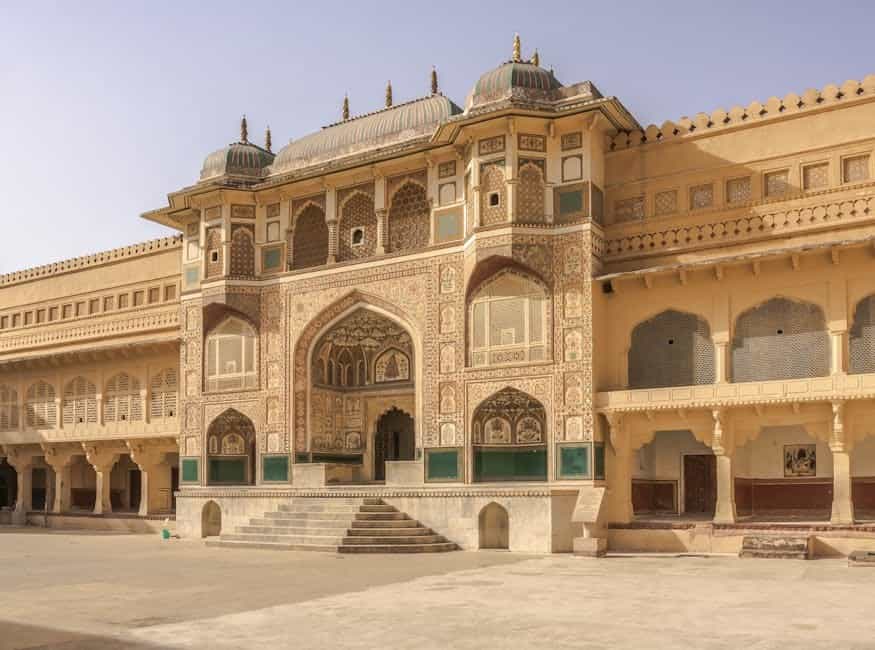
- Large open courtyard and gateway façade with calligraphic panels
- Historic inscriptions (including those linked to Sultan Iltutmish) and decorative stonework
- Close proximity to Ajmer Sharif Dargah — convenient to combine visits
Unique Aspects
- Blend of Hindu/Jain sculptural elements with Islamic architectural forms (an early example of syncretic architecture)
- Fine stone-carved panels and geometric/calligraphic ornamentation
- The mosque's name and folklore: the 'two-and-a-half days' legend
- Well-preserved columns, corbels and arch forms showing regional craftsmanship
- Photogenic contrasts of carved stonework against open sky — popular with photographers
Things to do
- Guided or self-guided architectural walks to study the fusion of temple and mosque elements
- Photography (respect local rules; avoid photographing people during prayers without permission)
- Quiet reflection and attending prayer services (respectful behaviour required)
- Combine with a visit to Ajmer Sharif Dargah and nearby markets for a fuller cultural experience
- Short historical tours arranged by local guides and heritage walk groups
Best Time to Visit
October to March — pleasant temperatures and comfortable sightseeing weather
Weather Conditions
Hot summers (April–June), monsoon rains (July–September) with occasional heavy showers, and cool-to-mild winters (October–February). Expect daytime highs in summer to be very warm.
Entry Fees & Permits
Typically no entry fee for visitors. Timings usually allow entry during daylight hours — roughly sunrise to sunset — but specific opening hours and access to certain parts can vary; check locally before visiting. Visitors should be mindful of mosque prayer times when areas may be reserved for worshippers.
Accessibility
Nearest major railhead: Ajmer Junction (within a few kilometres). Nearest airports: Kishangarh Airport (Ajmer region, ~30–35 km) and Jaipur International Airport (~135 km). Ajmer is well connected by road; local transport includes taxis, auto-rickshaws and cycle-rickshaws. Note: parts of the complex have uneven stone floors and steps; wheelchair access is limited in some areas.
Recommended Duration
Allow 30 minutes to 1.5 hours for the mosque itself; 2–4 hours if combining with Ajmer Sharif Dargah and nearby bazaars.
Clothing & Gear Tips
Dress modestly: shoulders and knees covered. Women may carry a scarf to cover their heads when required. Wear comfortable shoes (there are stone floors and steps). Bring water, sunscreen and a hat in hot months.
Local Food & Souvenirs
Try nearby Rajasthani specialties (e.g., dal-baati-churma, kachori, sweets). Souvenirs around Ajmer include embroidered textiles, leather goods, traditional Rajasthani jewellery and devotional items from Ajmer Sharif market stalls.