Amber Fort (Amer Fort), Rajasthan
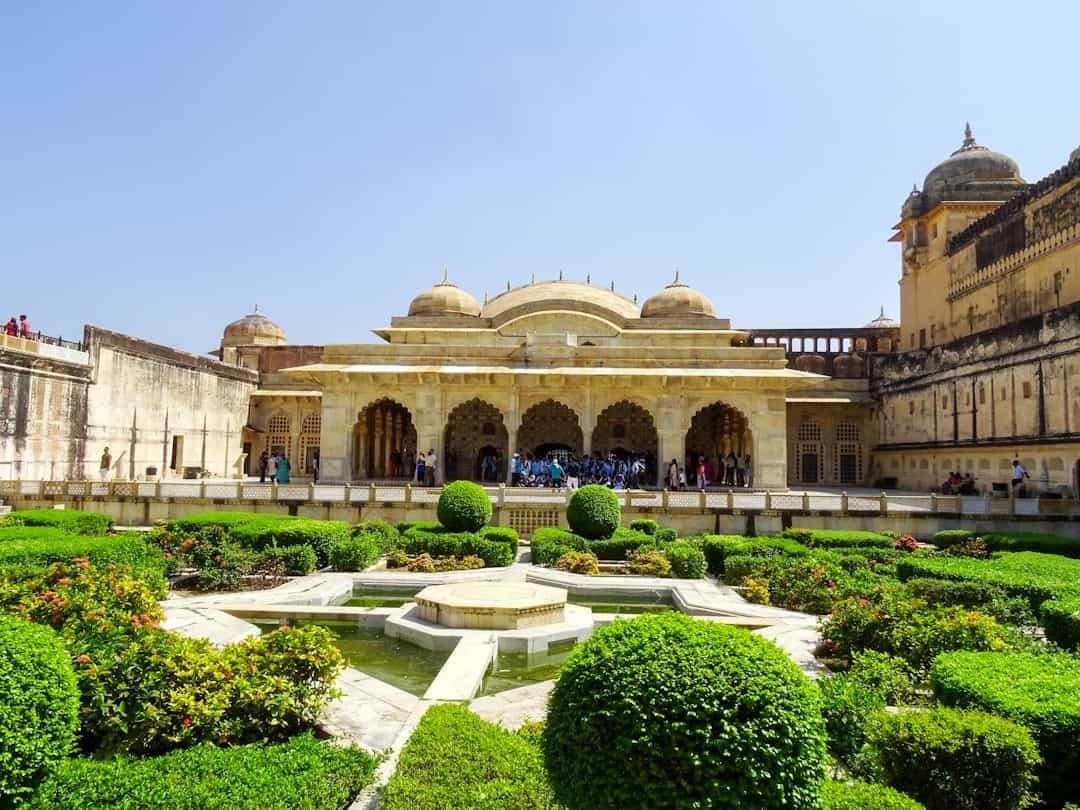
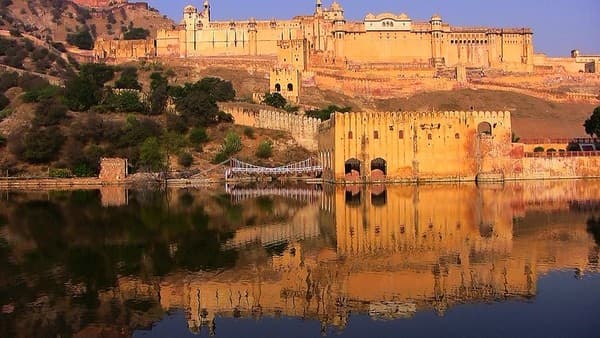
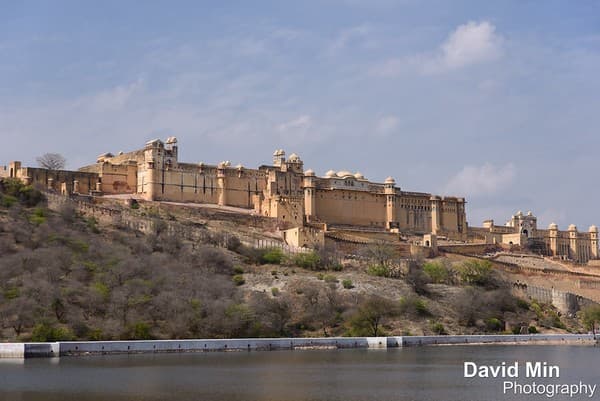
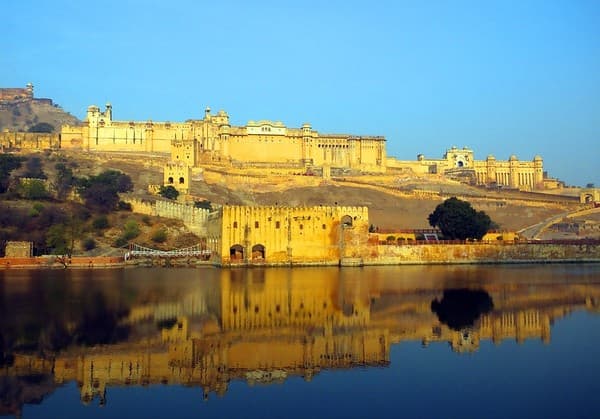
Amber Fort (also spelled Amer Fort) is a principal tourist attraction in Jaipur district of Rajasthan, India. Built primarily of red sandstone and marble, the fort was constructed in stages from the late 16th century under Raja Man Singh I and successive Kachwaha rulers. It served as the capital of the Kachwaha dynasty before Jaipur was founded and is a fine example of Rajput architecture combined with Mughal design elements. The fort complex includes palaces, halls, gardens, and temples, and reflects the political and cultural importance of the Rajput court as well as its artistic patronage.
Last updated: 31 May 2026
Historic Anecdotes
Legend says the fort's location near Maota Lake was chosen for its auspiciousness and water source. A popular local legend involves Mirabai, the saint-poet and devotee of Lord Krishna, who is said to have been associated with the royal family of Merta and had connections with the rulers of Amber. The Sheesh Mahal (Mirror Palace) is surrounded by stories that small lamps could be lit in the central chamber and the tiny mirrors would illuminate it as if with candlelight reflecting infinite stars. Another tale recounts that the fort's architect, or the chief Rajput artisan, was punished or blinded to prevent him from replicating such grandeur elsewhere (a motif common in many Indian architectural legends).
Places to visit
- Amber Palace (central complex)
- Sheesh Mahal (Mirror Palace)
- Diwan-i-Aam (Hall of Public Audience)
- Diwan-i-Khas (Hall of Private Audience)
- Sukh Niwas and Jai Mandir
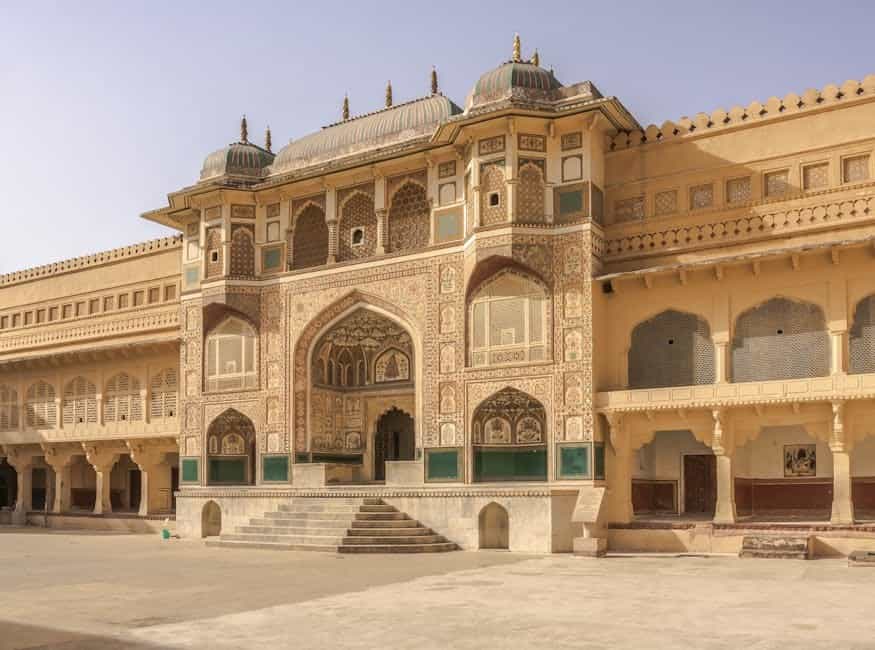
- Ganesh Pol (ornate gateway)
- Maota Lake and its views
- Jaivana Cannon (nearby)
- Kesar Kyari (Saffron Garden) on Maota Lake island
Unique Aspects
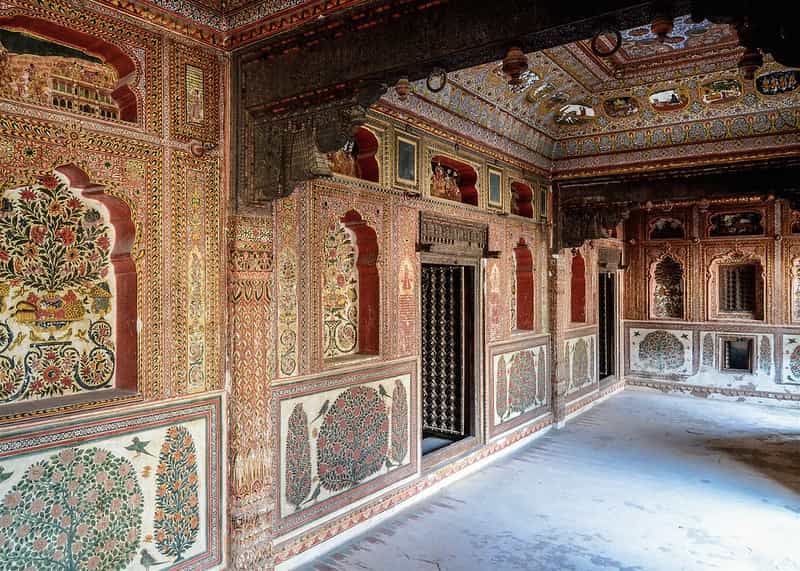
- Blend of Rajput and Mughal architectural styles with intricate carvings and frescoes
- Extensive use of mirrors and colored glass in Sheesh Mahal
- Ornate gates such as Ganesh Pol with frescoes and lattice work
- Large courtyards and well-planned defensive structures
- Panoramic views over Jaipur city and surrounding Aravalli hills
- Light-and-sound evening show that narrates Amber Fort's history
Things to do
- Guided tours of the fort complex and palaces
- Audio-guides and self-guided exploration
- Evening light-and-sound show recounting the fort's history
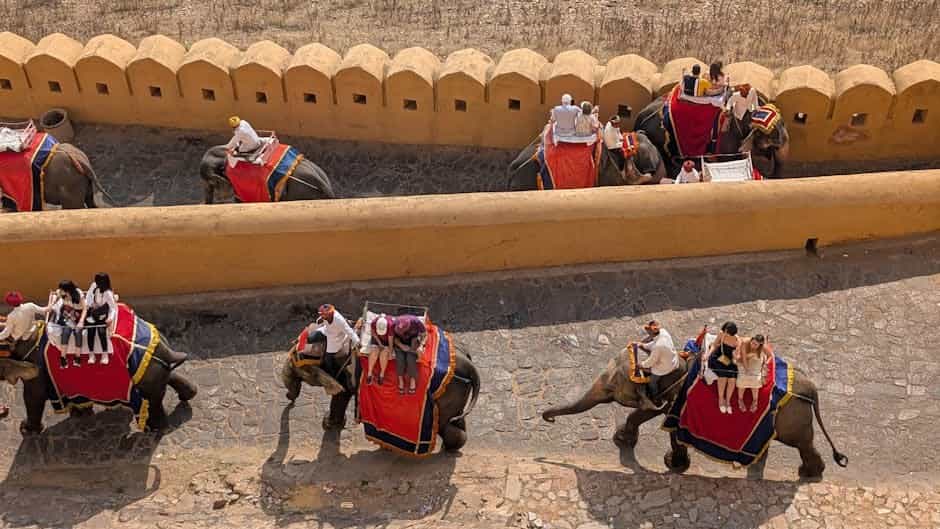
- Elephant ride to the fort's main entrance (regulated and subject to animal welfare rules)
- Photography of architecture, courtyards, and panoramic views
- Walking trails around Maota Lake and hill paths for alternative ascent
- Shopping at the craft stalls near the fort for textiles, jewelry, and handicrafts
Festivals & Events
- Dussehra and Diwali special decorations and events in Jaipur region
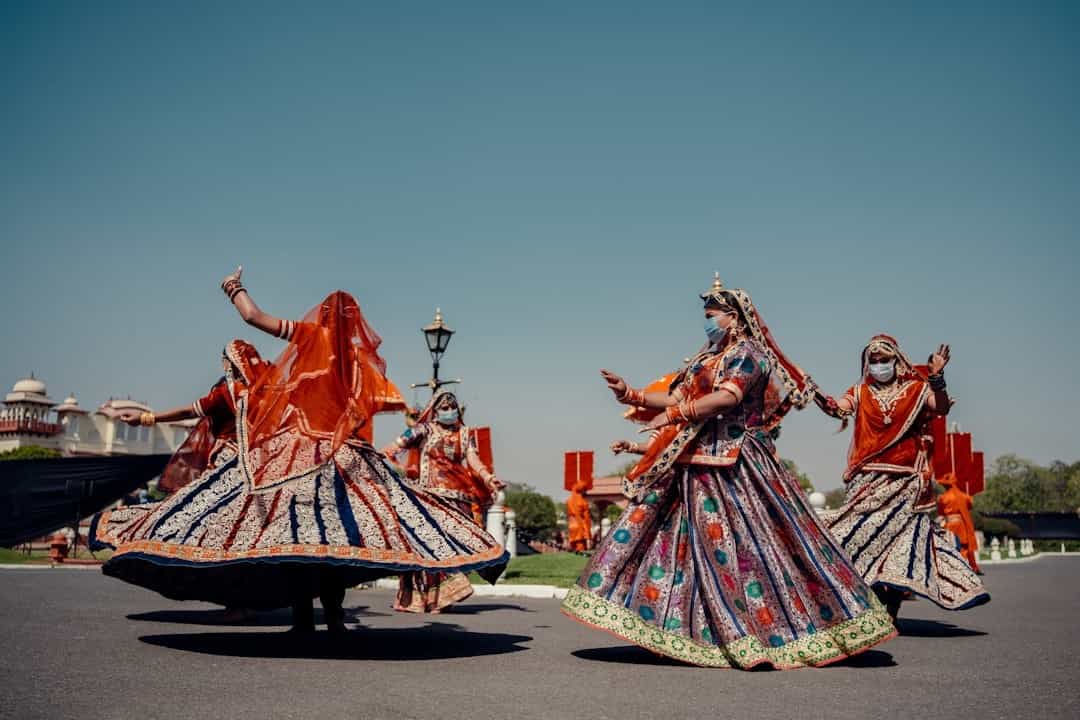
- Local cultural programs occasionally organized at the fort
- Jaipur Literature Festival and other city-wide festivals spillover events in Jaipur (seasonal)
- Light-and-sound show nightly (seasonal timing) — a regular event
Best Time to Visit
October to March — cool, pleasant weather ideal for sightseeing; avoid extreme summer heat from April to June and the monsoon months (July–September) for heavier rains that can affect visibility and climbs.
Weather Conditions
Desert/semiarid climate. Winters (Nov–Feb): cool to chilly (5–20°C). Summers (Apr–Jun): hot (30–45°C). Monsoon (Jul–Sep): moderate rainfall, humidity rises.
Entry Fees & Permits
Typical entry fee for international tourists and domestic visitors varies; as of recent norms: Fort entry fee (approximately INR 100–550 depending on nationality and package for on-site museum areas). Additional fees apply for camera/video (still and professional) and for elephant rides. Opening hours: usually 8:00 AM to 5:30 PM (may vary seasonally). Sheesh Mahal and certain galleries have restricted times or guided access. Evening light-and-sound show timings are separate (check current schedule). Recommended to check official/state archaeology or tourism website for up-to-date fees and hours.
Accessibility
Amber Fort is about 11 km from Jaipur city center. Nearest airport: Jaipur International Airport (~20–30 km by road depending on route). Nearest major railway station: Jaipur Junction (~11 km). Access by taxi, auto-rickshaw, or guided tours. The main ascent involves steps and uneven surfaces; there is an option of elephant ride or jeep/small vehicle for part of the ascent, but mobility-impaired visitors should note limited accessibility inside due to steps and narrow passages. Some pathways are steep; wear comfortable shoes.
Recommended Duration
2–4 hours — allows time for main palaces, Sheesh Mahal, photography, and a relaxed walk around Maota Lake. Extend to a half-day if attending the light-and-sound show or exploring nearby attractions.
Clothing & Gear Tips
Light, breathable clothing in summer; layers in winter (a warm jacket). Comfortable walking shoes with good grip. Hat, sunglasses, sunscreen; carry a water bottle. Respectful clothing for temple areas (avoid overly revealing attire).
Local Food & Souvenirs
Try Rajasthani specialties like dal baati churma, pyaaz kachori and sweets such as ghevar and mawa kachori at nearby eateries in Jaipur. Souvenirs: block-printed textiles, blue pottery, meenakari jewelry, miniature paintings, embroidered leather and mirrors, brassware. Buy from reputable shops; bargain politely in local markets.