Brahma Temple, Pushkar, Rajasthan
The Brahma Temple at Pushkar is one of the very few major temples in India dedicated to Lord Brahma, the Hindu creator god. It is a central landmark of Pushkar and an important pilgrimage site for Hindus. The temple complex sits close to Pushkar Lake, itself a sacred body of water believed to have been created when a lotus dropped by Brahma fell to earth. The existing temple structure dates largely from the medieval period (commonly cited as the 14th century) though the site’s worship tradition is older. The temple’s cultural importance is tied to rites performed here, especially on Kartik Purnima and during the annual Pushkar Fair when thousands of pilgrims and visitors converge on the town.
Last updated: 23 Oct 2025
Historic Anecdotes
Legend says Brahma created Pushkar after accidentally dropping a lotus; the spot where the lotus fell became the sacred Pushkar Lake and town. Another local legend relates that Brahma and his consort encountered a misunderstanding that led to the scarcity of Brahma temples elsewhere, making Pushkar especially sacred. Devotees believe a dip in Pushkar Lake near the Brahma Temple washes away sins, and offerings made here are especially meritorious.
Places to visit
- Brahma Temple (main sanctum with the four-headed idol of Lord Brahma)
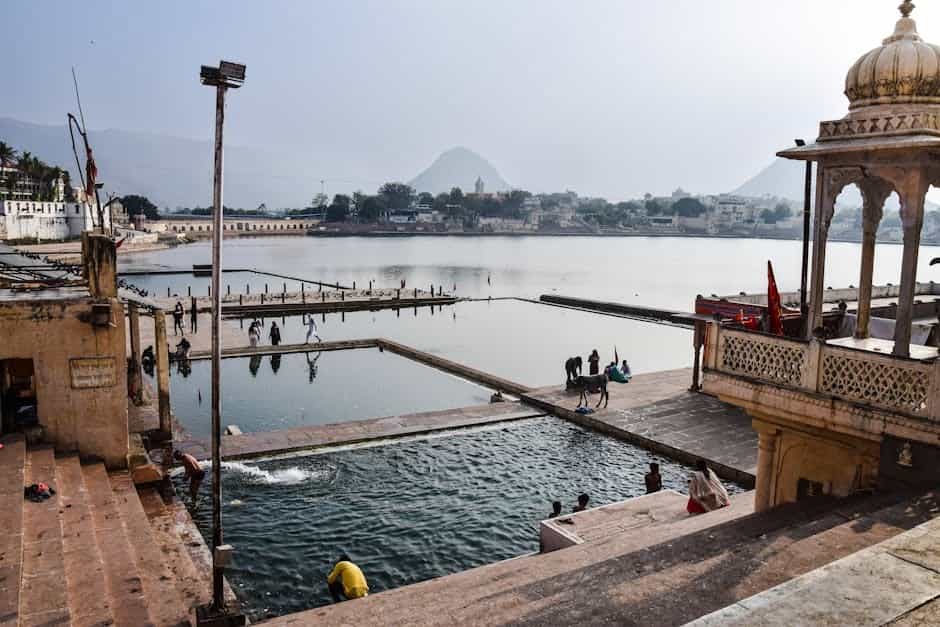
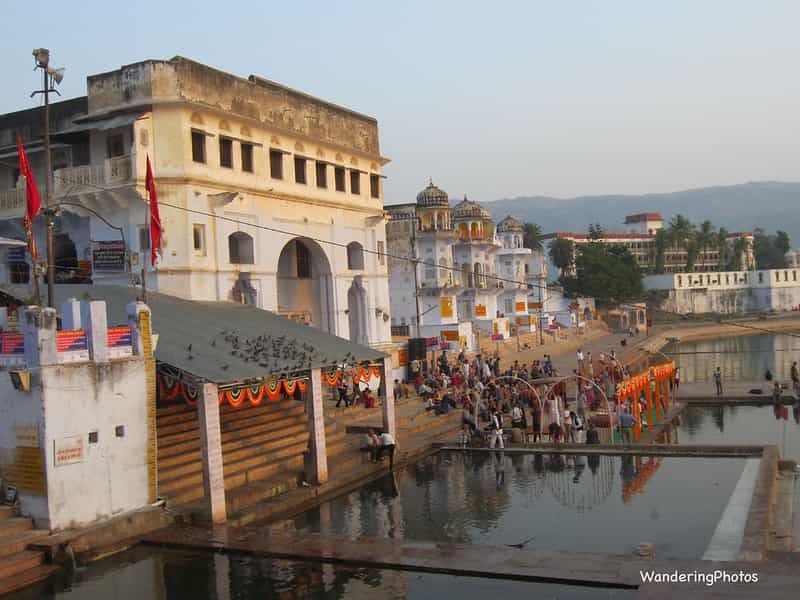
- Pushkar Lake ghats (series of stepped ghats where pilgrims bathe)
- Varied local bazaars around the temple selling handicrafts and religious items
- Nearby Savitri Temple (on a hill overlooking Pushkar) accessible by a short hike or ropeway
Unique Aspects
- The temple’s sanctum houses an idol of Lord Brahma with multiple heads — a rare major Brahma shrine in India
- Distinctive red shikhara (spire) and folkloric Rajasthani architecture details
- Proximity to the sacred Pushkar Lake and numerous bathing ghats
- Vibrant market lanes around the temple offering traditional Rajasthani crafts and textiles
Things to do
- Darshan (viewing and worship) of the Brahma idol and participation in temple aarti
- Walking the ghats of Pushkar Lake, performing or observing ritual baths
- Exploring the colorful bazaars for handicrafts, textiles, spices and religious items
- Visiting nearby temples and viewpoints such as Savitri Temple
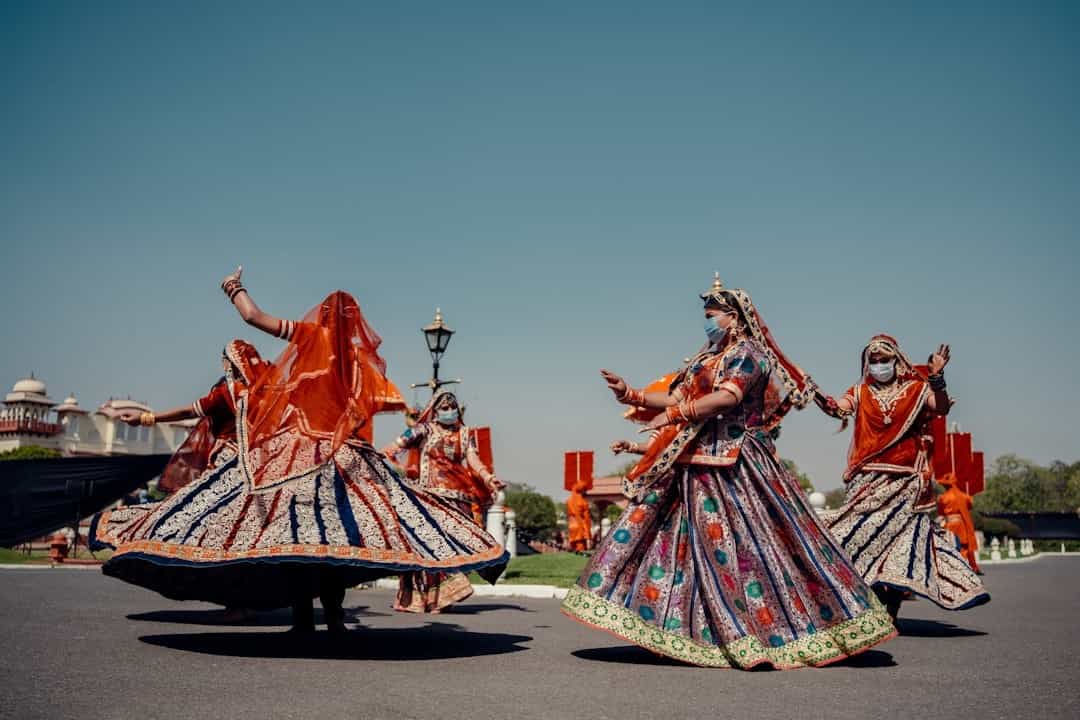
- Attending cultural events and photography around the lake and lanes
Festivals & Events
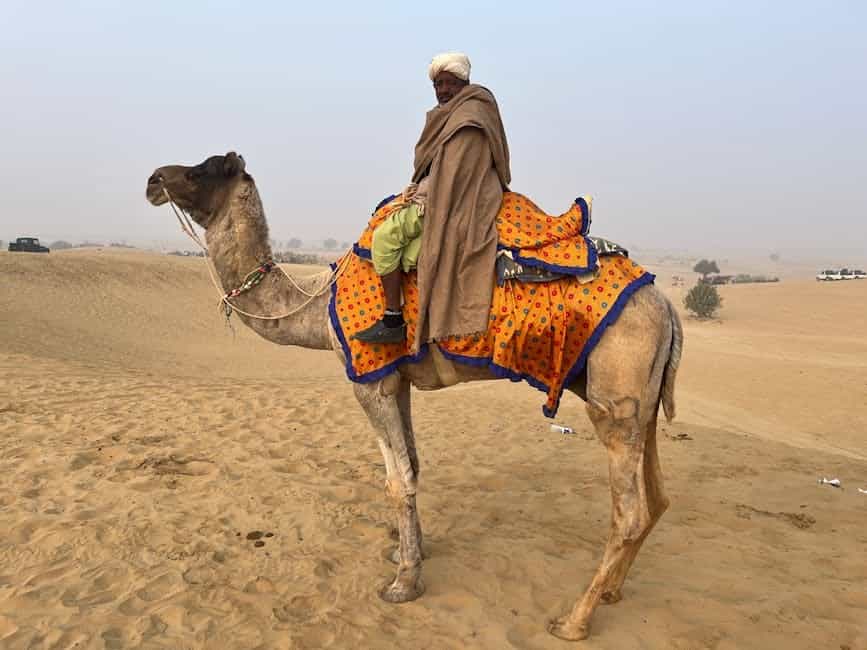
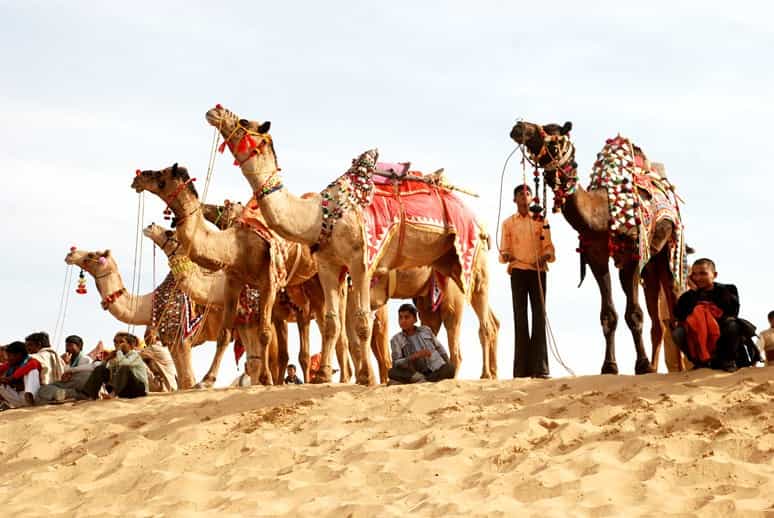
- Pushkar Camel Fair (annual livestock fair and cultural festival, usually in October–November)
- Kartik Purnima (important pilgrimage day with special rituals and large crowds)
- Local temple festivals and aartis that follow the Hindu religious calendar
Best Time to Visit
October to March — pleasant temperatures, lively festival season (including the Pushkar Camel Fair).
Weather Conditions
Arid continental climate: very hot summers (April–June), monsoon brings limited rain (July–September), cool and comfortable winters (November–February).
Entry Fees & Permits
The temple typically allows free or donation-based entry. Typical visiting hours are split: early morning and evening (for example, around 5:00–12:00 and 16:00–21:00), but these can vary — check locally for exact daily timings. Photography inside the sanctum is often restricted.
Accessibility
Nearest major airport: Jaipur International Airport (~140–160 km by road). Nearest railhead and city: Ajmer (about 14 km). Regular buses, taxis and private cars connect Pushkar to Ajmer, Jaipur and other Rajasthan towns. The temple is in the town center; most visitors walk from guesthouses or take short rickshaw rides. Note: the temple has steps and may be crowded, so mobility-impaired visitors should plan accordingly.
Recommended Duration
Allow 2–4 hours to visit the temple and lakeside ghats; a full day or an overnight stay (1–2 days) is recommended to explore Pushkar and nearby sights comfortably.
Clothing & Gear Tips
Dress modestly (cover shoulders and knees) out of respect for the temple. Comfortable walking shoes, sun protection (hat, sunscreen), and a reusable water bottle are recommended.
Local Food & Souvenirs
Try local Rajasthani snacks and vegetarian dishes at lakeside eateries. Popular souvenirs include bandhani textiles, leather goods, brassware, puppets and religious items such as prayer beads and idols. Bargain politely in the bazaars.