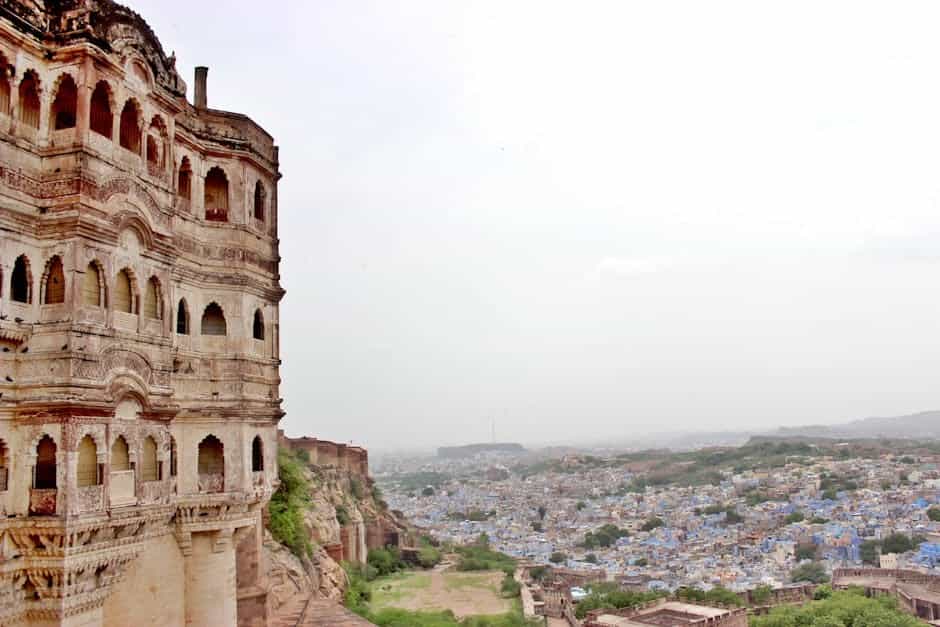
Chand Baori, Abhaneri, Rajasthan
Chand Baori is one of the oldest, deepest and most visually striking stepwells in India, built around the 8th–9th century (traditionally credited to King Chanda of the Nikumbha dynasty). It functioned as a community water-harvesting structure in arid Rajasthan and demonstrates sophisticated engineering and social planning for water conservation. The adjacent Harshat Mata Temple complex adds religious and cultural significance to the site.
Last updated: 23 Oct 2025
Historic Anecdotes
Local legend attributes construction to King Chanda; stories describe the baori as a source of solace and ritual for the community during droughts. Folklore highlights the stepwell’s mystical coolness and occasionally tells of queens and priests performing ceremonies at its terraces. The site’s dramatic geometry has inspired modern storytellers and filmmakers.
Places to visit
- Chand Baori stepwell (noted for its multi-tiered steps and depth)
- Harshat Mata Temple (8th-century temple beside the baori)
- Intricate stone carvings and pavilions around the well
- Photogenic symmetrical stair patterns and galleries
- Traditional Abhaneri village atmosphere and nearby ruins
Unique Aspects
- Nearly vertical, tightly packed steps arranged in precise geometric patterns creating striking optical effects
- A cool microclimate at the bottom, noticeably cooler than surface temperatures
- Stone chambers, galleries and small shrines integrated into the stepwell complex
- Historical inscriptions and carved motifs reflecting regional craftsmanship
- A setting frequently used in film and photography due to its dramatic architecture
Things to do
- Explore the 13-level stepped terraces and descend partway to experience the cool microclimate
- Photography — architectural details, patterns, and wide-angle shots from the top
- Visit the adjacent Harshat Mata Temple and examine nearby ruins
- Learn about traditional water-harvesting methods and local history
- Take short village walks to observe rural Rajasthani life and handicrafts
Festivals & Events
- Local celebrations (Diwali, Holi) observed in nearby villages — vibrant cultural displays
- Occasional heritage or cultural events organized by local authorities or NGOs
- No regularly scheduled large-scale festival at the baori itself; check local listings for special events
Best Time to Visit
October to February for pleasant, cool weather. Monsoon (July–September) shows the baori with more water and lush surroundings but paths may be slippery. Summer (April–June) is very hot — though the well bottom remains comparatively cool.
Weather Conditions
Arid to semi-arid climate: hot summers (often 40°C+), mild winters (5–25°C), and a short monsoon season bringing brief rains. Carry sun protection during hot months.
Entry Fees & Permits
Typically open daily from 7:00 AM to 6:00 PM (local timings can vary). A small nominal entry fee is usually charged; exact rates (and concession details) may change, so verify current fees locally.
Accessibility
Located in Abhaneri village in Dausa district, Rajasthan. Approximate distances: ~95 km from Jaipur (Jaipur International Airport — nearest major airport) and ~2–3 hours by road from Jaipur. Nearest major railway hub: Jaipur Railway Station (best-connected); smaller nearby stations and road links exist. Site is accessible by car, taxi, or as part of guided tours; limited public-transport options may require a short taxi ride from the nearest bus stop.
Recommended Duration
1–2 hours to explore Chand Baori and the Harshat Mata Temple; allow more time if combining with other nearby sights.
Clothing & Gear Tips
Comfortable, closed/non-slip walking shoes; hat, sunglasses and sunscreen; a refillable water bottle; modest clothing when visiting the temple areas.
Local Food & Souvenirs
Try Rajasthani snacks and simple meals at nearby eateries (kachori, dal baati churma). Souvenirs include local textiles, pottery, traditional puppets, and small handicrafts available in nearby markets.