Chittorgarh Fort, Rajasthan
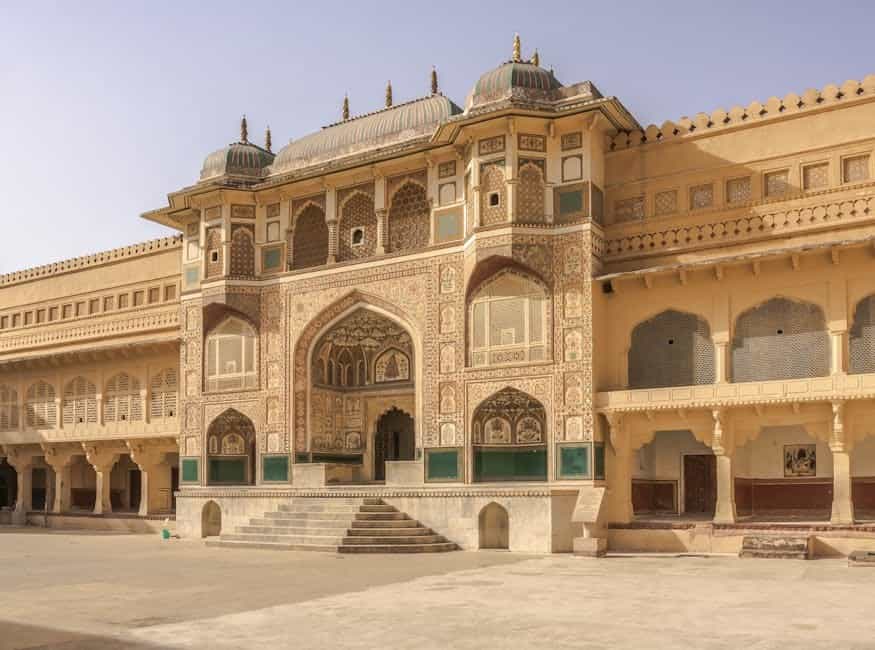
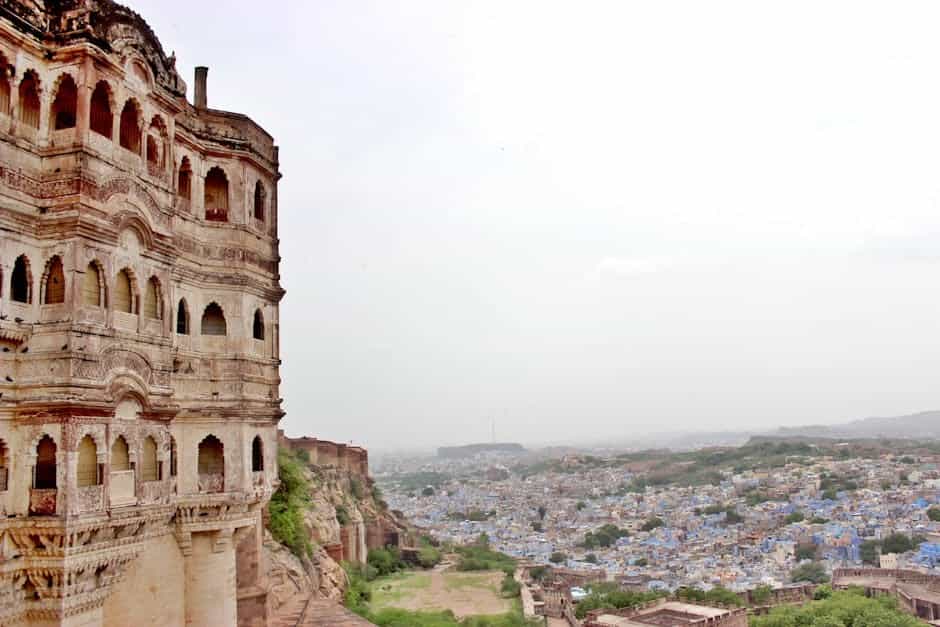
Chittorgarh Fort (Chittor Fort) is one of the largest forts in India and a UNESCO World Heritage Site as part of the group 'Hill Forts of Rajasthan.' It is the historic capital of Mewar and symbolizes Rajput valor, resistance, and sacrifice. The fort has witnessed several major sieges and is associated with the Sisodia dynasty, Rana Kumbha, and Maharana Pratap. Its architecture spans several centuries and showcases Rajput military engineering, palaces, temples, and memorials (chhatris).
Last updated: 23 Oct 2025
Historic Anecdotes
Chittorgarh is famous for the tales of Rani Padmini (Padmavati) and the siege by Alauddin Khilji, where the queen is said to have performed jauhar (self-immolation) to avoid capture. The fort also has stories of Rani Karnavati's appeal to Humayun for help and the heroic deeds of warriors like Rana Sanga and Maharana Pratap. Numerous local legends emphasize honor, sacrifice, and the Rajput code of conduct.
Places to visit
- Vijay Stambh (Tower of Victory)
- Kirti Stambh (Tower of Fame)
- Rana Kumbha Palace
- Padmini Palace and Padmini's Memorial
- Meera Temple
- Kalika Mata Temple (formerly a Sun temple)
- Gaumukh Reservoir and the fort ramparts
- Jauhar Kunds (memorial ponds)
- Fateh Prakash Palace (now a museum)
Unique Aspects
- Imposing 13 km long fort wall with seven gates
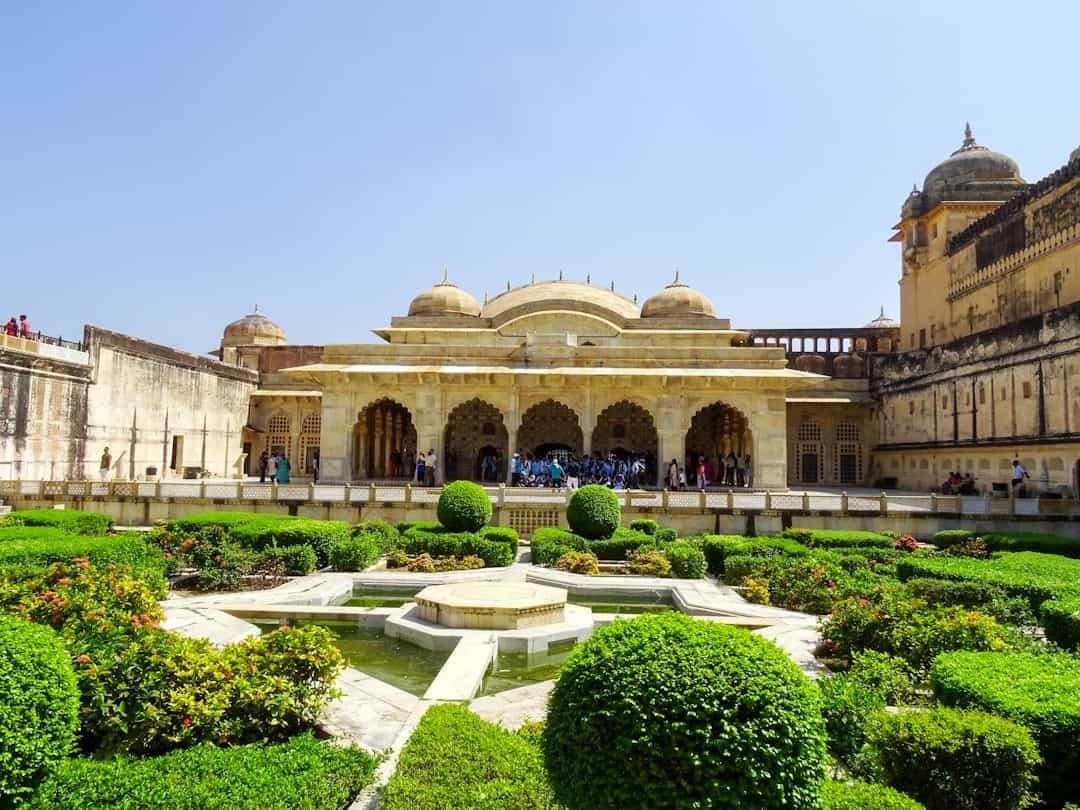
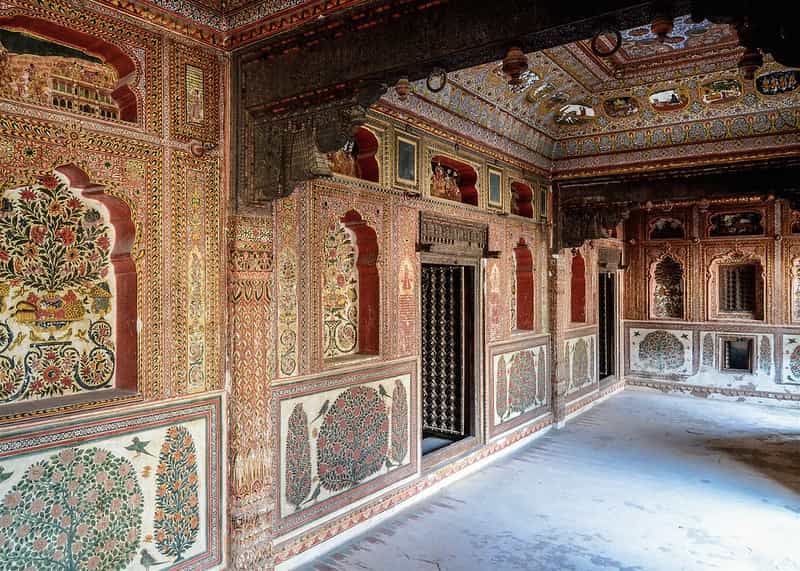
- Fine examples of Rajput and medieval Indian architecture and sculpture
- Panoramic views from hilltops and bastions
- Historic massive ramparts, bastions, and scattered ruins across a large area
- Numerous inscription stones, memorials, and cenotaphs (chhatris)
Things to do
- Guided heritage walks around key monuments
- Climbing Vijay Stambh for panoramic views
- Photography of architecture and landscapes
- Exploring museums and galleries in Fateh Prakash Palace
- Attending light and sound shows narrating fort history
- Visiting local bazaars near the fort for handicrafts
Festivals & Events
- Jauhar Mela (commemorative events on anniversaries)
- Local cultural festivals during Navratri and Diwali
- Rana Kumbha Festival (occasional cultural events celebrating Rajput history)
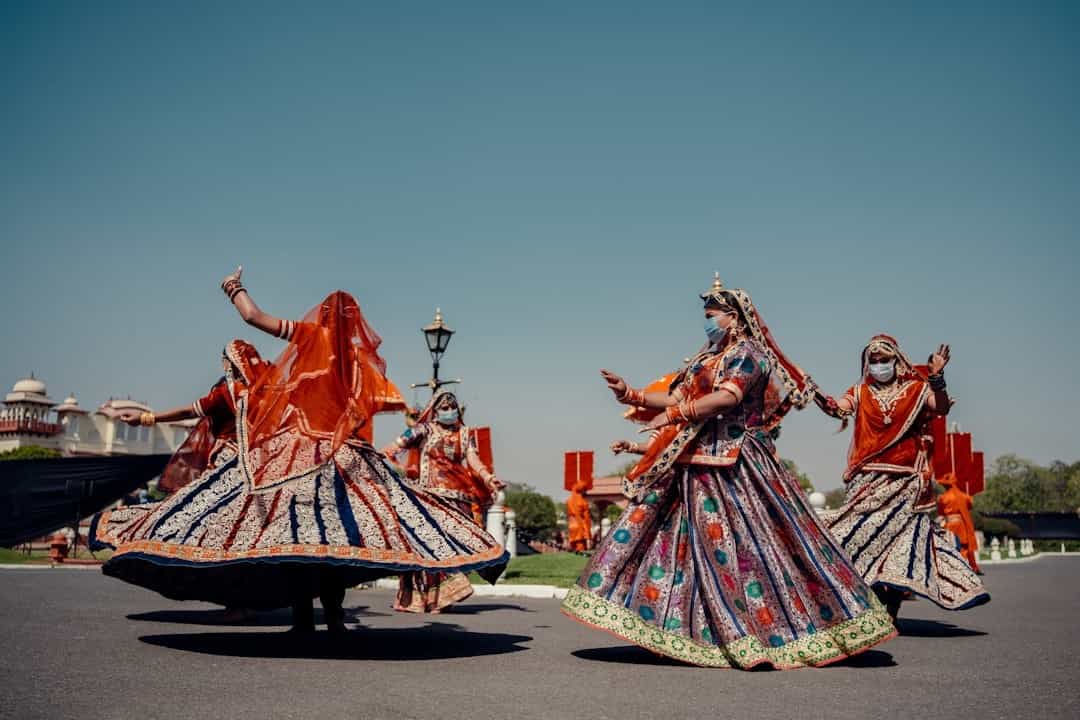
- Seasonal folk performances and craft fairs in nearby Chittorgarh town
Best Time to Visit
October to March (pleasant weather and clear skies)
Weather Conditions
Hot and dry in summer (April–June), monsoon rains (July–September) can make climbing slippery; winters (October–March) are mild and comfortable.
Entry Fees & Permits
Typical entry fees are modest for Indian and foreign visitors; many monuments inside may have separate museum fees. Fort generally open from early morning (around 7:00 AM) to evening (around 6:00 PM). Check local updates for exact fees and museum timings.
Accessibility
Chittorgarh is accessible by road from Udaipur (~120 km), Jaipur (~330 km), and Kota (~120 km). Nearest major railway station is Chittorgarh Junction; nearest airport is Maharana Pratap Airport (Udaipur) or Jaipur International Airport for longer connections. Inside the fort, terrain is uneven with steps and steep paths; limited facilities for mobility-impaired visitors.
Recommended Duration
2-4 hours to cover main monuments; half to full day for a relaxed visit including museum and viewpoints.
Clothing & Gear Tips
Comfortable walking shoes, hat, sunscreen, water bottle; light layers for winter mornings/evenings; avoid heavy luggage inside the fort.
Local Food & Souvenirs
Try Rajasthani thali, dal baati churma, kachori, and local sweets. Souvenirs include handicrafts, miniature paintings, mirror work textiles, and brass/metal items available in Chittorgarh markets.