City Palace, Jaipur, Rajasthan
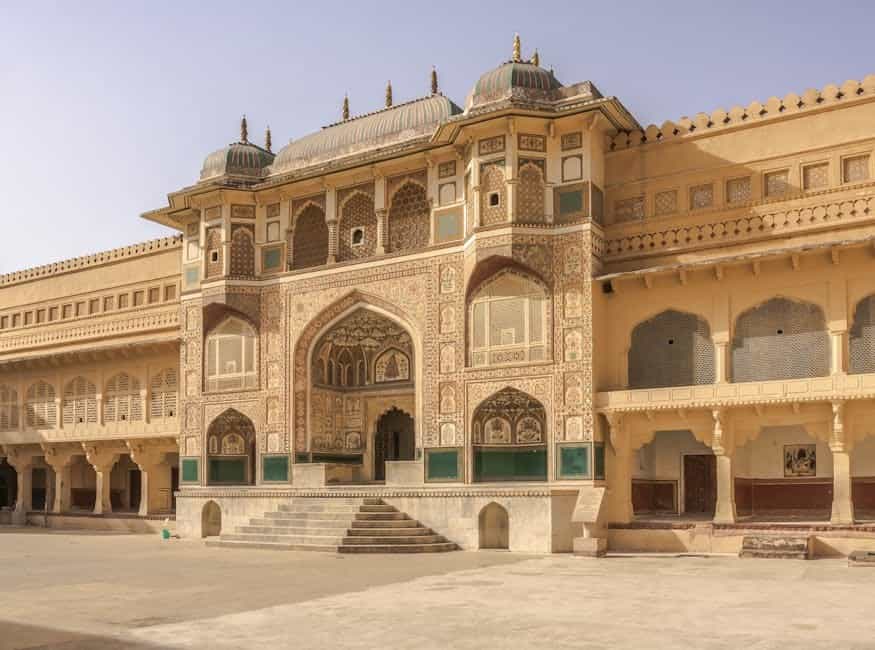
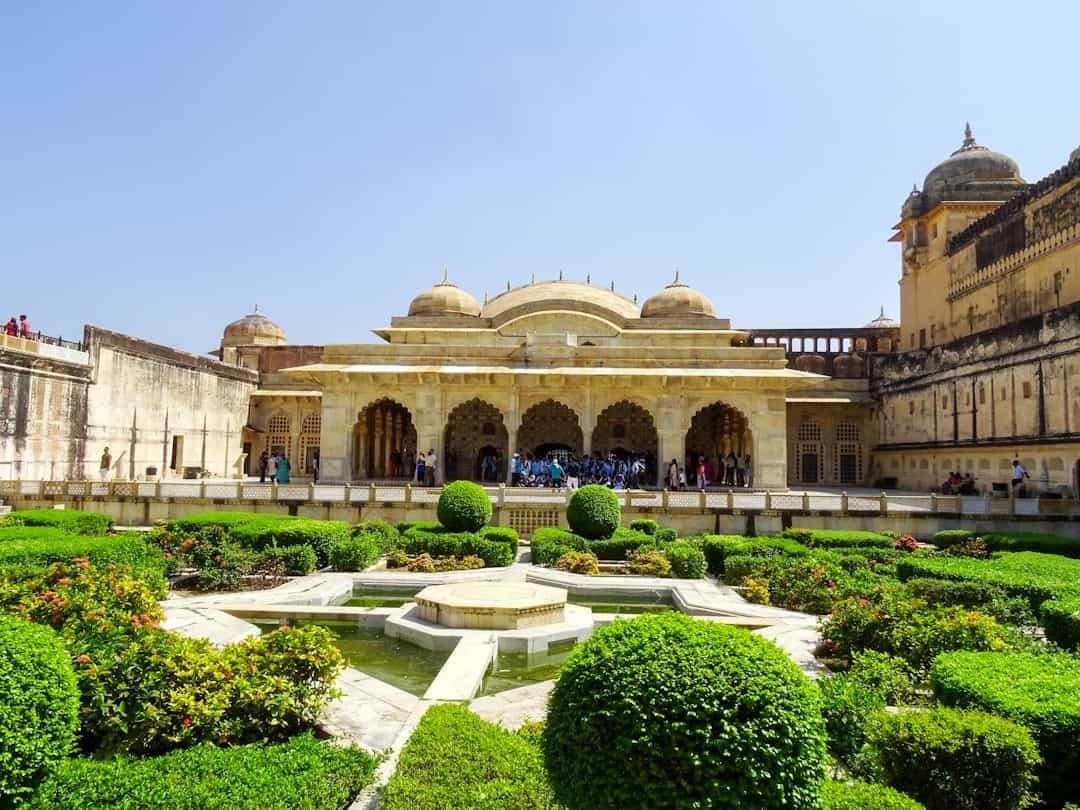
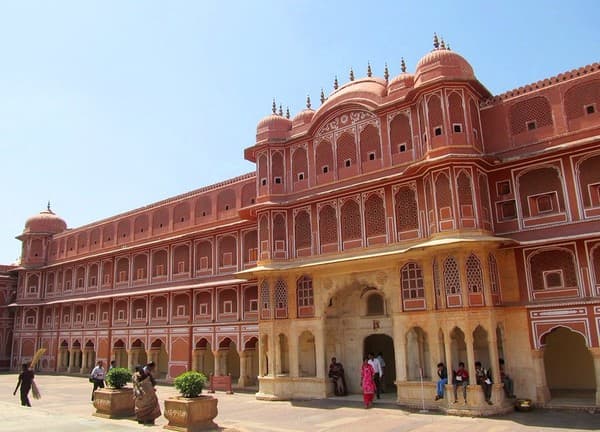
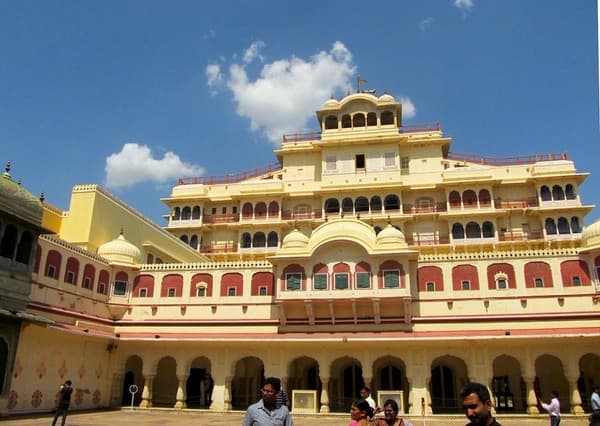
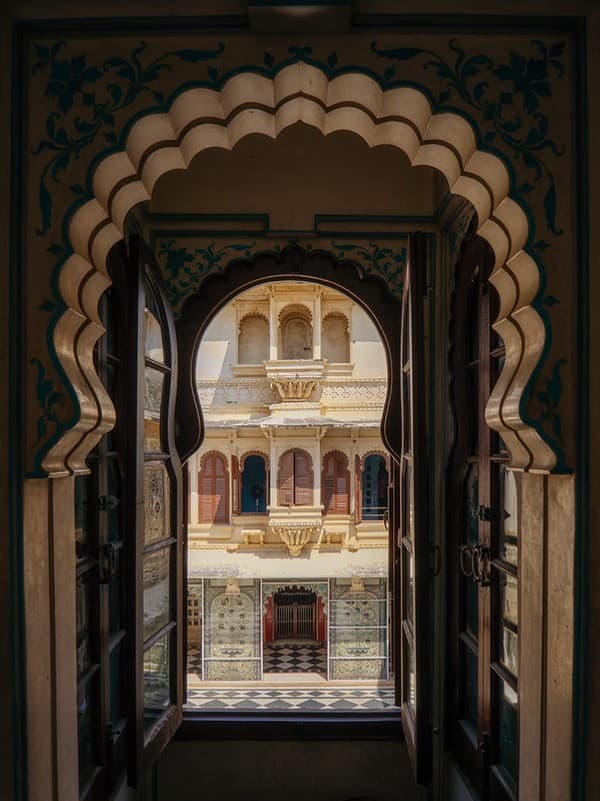
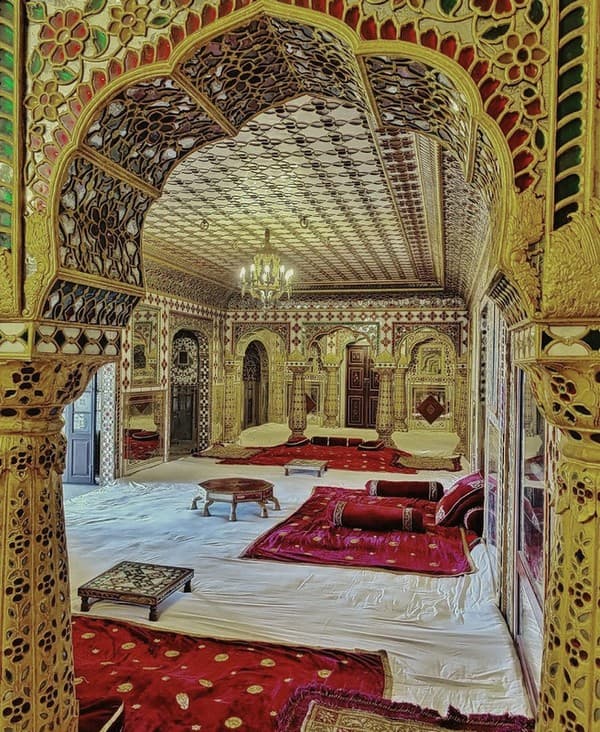
City Palace, Jaipur is a major historical and cultural landmark built between 1729 and the early 20th century by Maharaja Sawai Jai Singh II and subsequent rulers. It served as the ceremonial and administrative seat of the Maharaja of Jaipur and remains a working royal residence. Architecturally it showcases an elegant fusion of Rajput, Mughal and European styles and houses an extensive collection of royal costumes, arms, paintings and manuscripts that reflect Rajasthan's princely history and courtly culture.
Last updated: 31 May 2026
Places to visit
- Chandra Mahal (private royal residence and some museum floors)
- Mubarak Mahal (the welcome palace and textile/armor displays)
- Shri Govind Dev Ji Temple
- Diwan-i-Khas (Hall of Private Audience)
- Diwan-i-Aam (Hall of Public Audience)
- Pritam Niwas Chowk and its four decorated gateways
- Mor Chowk (Peacock Courtyard)
- Maharaja Sawai Man Singh II Museum
- Crystal Gallery
Unique Aspects
- Fusion of Rajput and Mughal architecture with later European influences
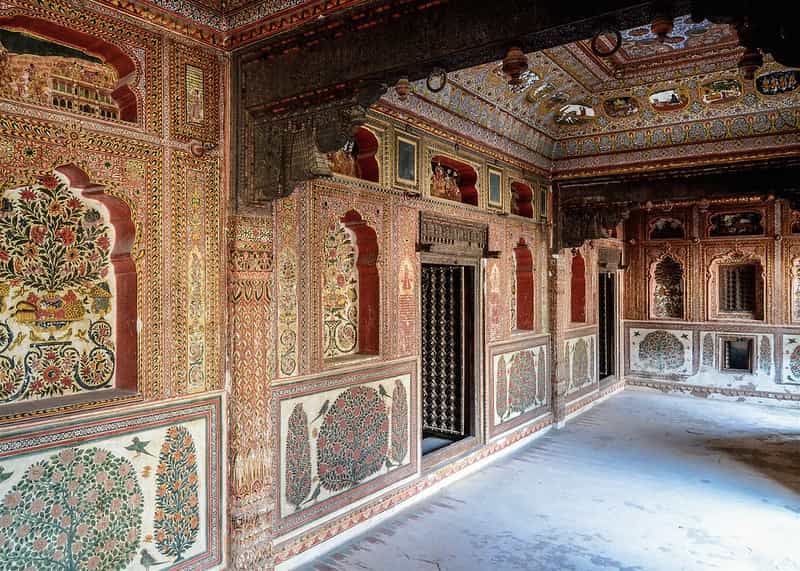
- Ornate courtyards, painted frescoes and mirror-work interiors
- Peacock tile mosaics in Mor Chowk
- Extensive collections: royal costumes, weapons, manuscripts, miniature paintings
- Grand gateways and intricately carved balconies (jharokhas)
- Well-preserved royal household objects and ceremonial items
Things to do
- Guided and self-guided museum tours of the palace wings
- Photography of courtyards, gateways and external façades (subject to specific area rules)
- Visit to Shri Govind Dev Ji Temple (observe temple etiquette)
- Viewing the royal collections — textiles, arms, miniature paintings and royal carriages
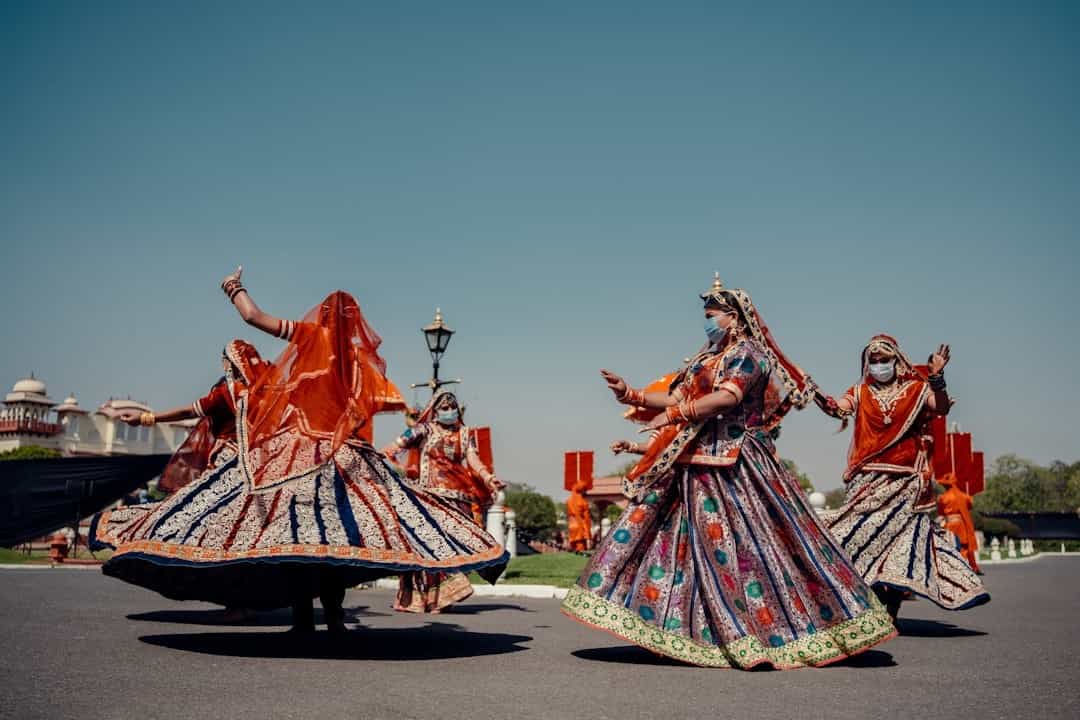
- Attend occasional cultural performances or temporary exhibitions held within the palace complex
- Shopping for local handicrafts in nearby markets and palace-adjacent stalls
Best Time to Visit
October to March (cool, dry and comfortable for sightseeing). Early mornings on weekdays are quieter.
Weather Conditions
Winters (Oct–Mar): pleasant, daytime 10–25°C. Summers (Apr–Jun): hot, often 35–45°C. Monsoon (Jul–Sep): moderate to heavy rains and increased humidity.
Entry Fees & Permits
Typical visiting hours: approximately 9:30 AM to 5:00 PM daily for most public areas, though timings can vary by section. Entry fees (approximate and subject to change): Indian nationals—lower concessional rate; foreign nationals—higher museum fee. Additional charges may apply for special exhibitions, Chandra Mahal museum floors and photography/video permits. Always check the official City Palace/State museum site or on-site tickets for current fees and hours.
Accessibility
Nearest airport: Jaipur International Airport (Sanganer) — about 13 km. Nearest major rail station: Jaipur Junction — about 3–5 km. The palace sits in the historic walled city (near Hawa Mahal and Jantar Mantar) and is accessible by taxi, auto-rickshaw and local buses. Note: several buildings and courtyards have steps and uneven surfaces; wheelchair access is limited in parts — contact palace staff ahead for assistance. Limited on-site parking; best reached by taxi from central Jaipur.
Recommended Duration
2–4 hours to see major sections (longer if visiting multiple museums, attending events or taking guided tours).
Clothing & Gear Tips
Wear comfortable walking shoes; bring a hat, sunscreen and water in hot months. Dress modestly when entering temple areas (cover shoulders and knees). Carry a light layer in winter mornings/evenings.
Local Food & Souvenirs
Nearby foods to try: Rajasthani thali, kachori, laal maas (spicy mutton curry), lassi and local sweets (e.g., ghevar, kaju katli). Souvenirs: block-printed textiles, embroidered fabrics, miniature paintings, blue pottery, gemstone and Kundan jewelry, puppets and local handicrafts. Many stalls and shops in the Johri Bazaar and surrounding streets offer authentic items.