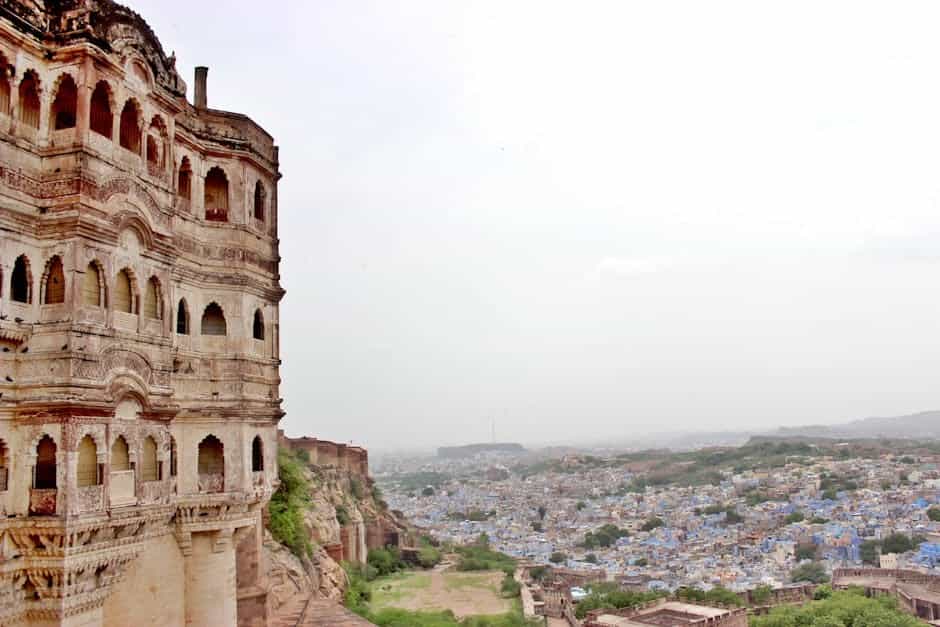
Desert National Park, Rajasthan
Desert National Park (Rajasthan) is one of the largest national parks in India, protecting a representative tract of the Thar Desert ecosystem. Covering approximately 3,162 km², it preserves fragile desert flora and fauna, unique dune systems, and fossil deposits. The park is critically important for conserving rare and endemic species — notably the endangered Great Indian Bustard (GIB) — and for sustaining traditional desert livelihoods and cultural landscapes around Jaisalmer.
Last updated: 23 Oct 2025
Places to visit
- Great Indian Bustard habitats (critical conservation area)
- Sand dune formations and sweeping desert landscapes
- Chinkara (Indian gazelle) sightings across open plains
- Desert flora such as khejri, ber, sangri and other drought-adapted plants
- Fossil beds and geological features (vertebrate fossil finds)
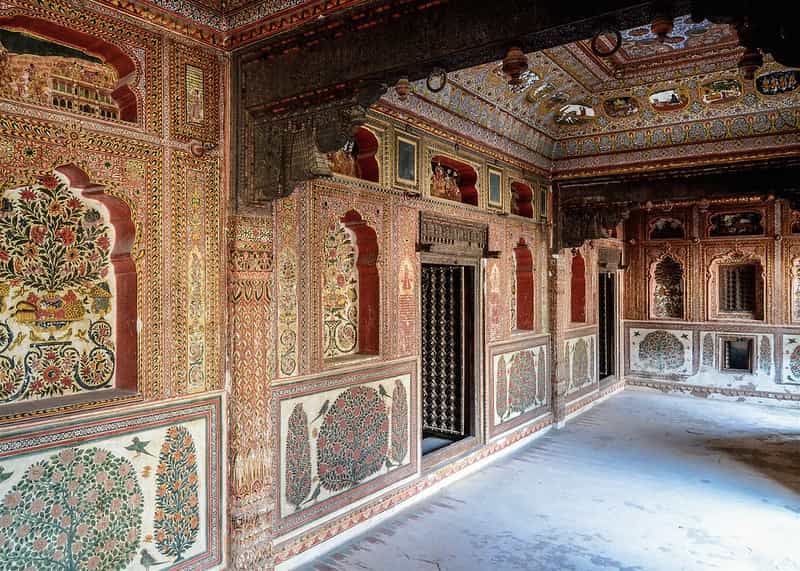
- Traditional desert villages and cultural visits around Jaisalmer
Unique Aspects
- Extensive Thar Desert ecosystem within a protected area
- Seasonal wetlands and small lakes that attract migratory birds
- Large, open vistas ideal for photography and stargazing
- Important site for GIB conservation efforts and scientific research
- Mix of wildlife (desert fox, desert cats, monitor lizards, snakes, rodents)
Things to do
- Guided wildlife safaris (open 4x4 vehicles or authorized gypsies)
- Birdwatching (migratory species in winter; keep expectations realistic for GIB sightings)
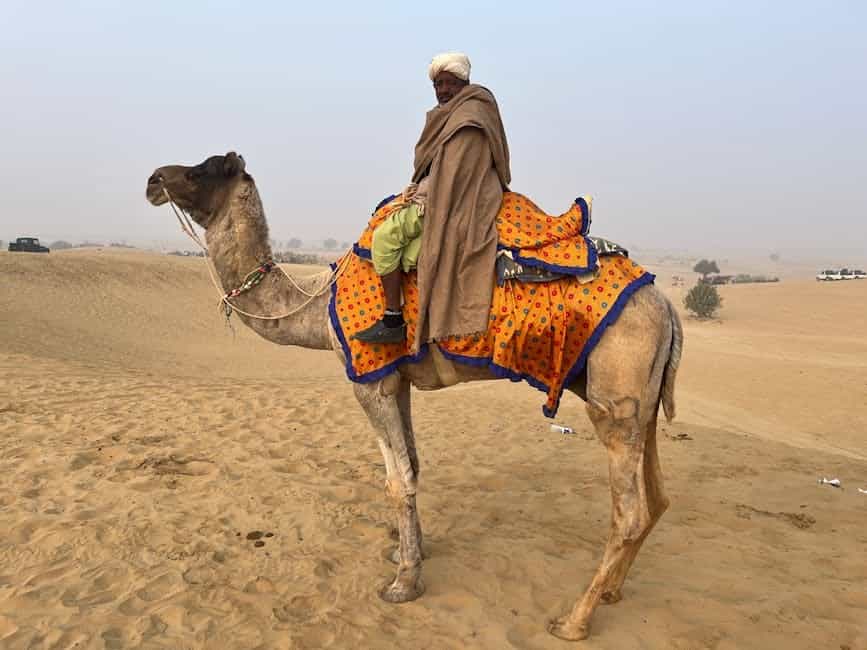
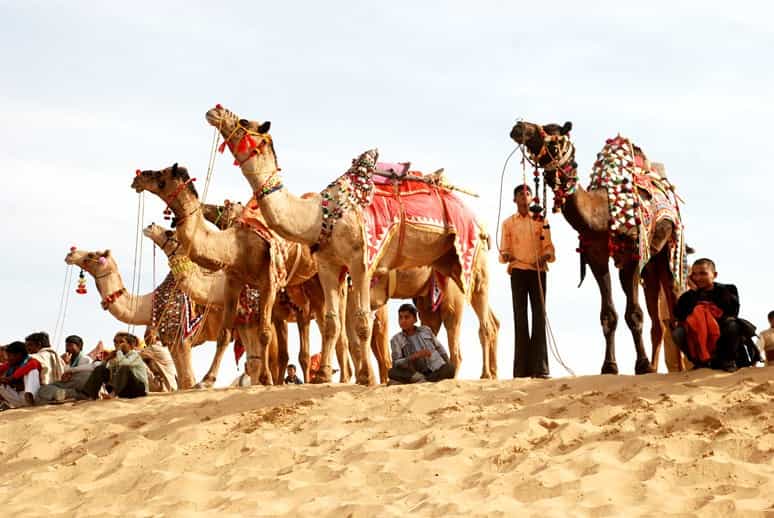
- Camel safaris and dune walks** in peripheral areas (often arranged from Jaisalmer)
- Nature photography and stargazing due to very low light pollution
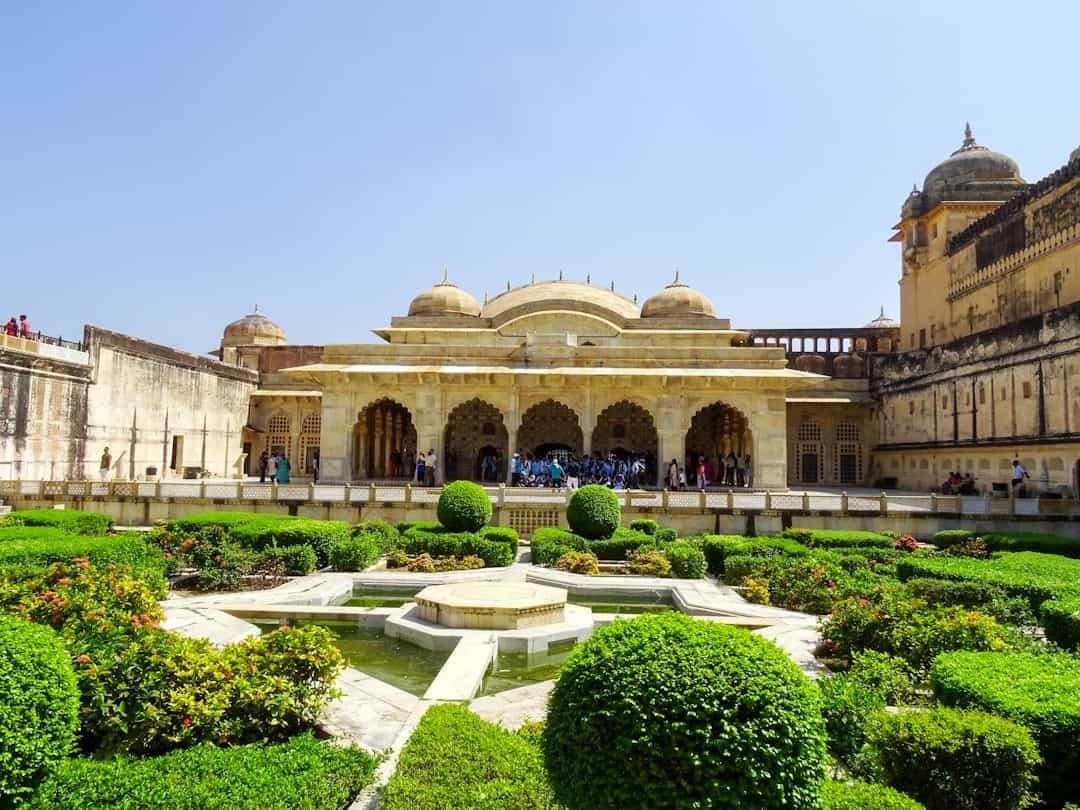
- Cultural visits to nearby villages, local markets and fort city of Jaisalmer
Best Time to Visit
October to March — cool days and pleasant nights; highest wildlife and birding activity in winter. Avoid peak summer (May–June) due to extreme heat.
Weather Conditions
Arid desert climate: very hot summers (temperatures can exceed 45°C), mild to cool winters with chilly nights (near or below 5°C). Sparse, erratic rainfall during the monsoon.
Entry Fees & Permits
Entry requires permits/authorization from the Rajasthan Forest Department; fees and rules vary (concessions for students/seniors may apply). Typical visiting hours are sunrise to sunset; some zones are strictly regulated to protect wildlife. Book guided safaris and permits in advance through forest department offices or authorized operators. (Fees and timings change — confirm locally before travel.)
Accessibility
Nearest major rail/road hub: Jaisalmer town (gateway to the park). Jaisalmer is connected by rail and road; limited commercial flights operate to Jaisalmer Airport and the nearest major airport is Jodhpur. Access to interior zones requires a forest department permit and usually a 4x4 vehicle or guided tour. Some areas are remote with sandy tracks — a sturdy vehicle/guide is essential.
Recommended Duration
Plan 1–2 full days inside/around the park to explore key habitats and nearby dunes; 2–3 days if you include cultural visits in Jaisalmer and relaxed travel.
Clothing & Gear Tips
Bring light, breathable clothing for daytime, warm layers for cold nights, a wide-brim hat, sunglasses, high-SPF sunscreen, sturdy closed shoes for dunes, sufficient drinking water, and basic first-aid. Binoculars, camera with telephoto lens, and insect repellent are recommended.
Local Food & Souvenirs
Try Rajasthani dishes such as dal-baati-churma, gatte ki sabzi, bajra rotla and local sweets. Souvenirs: handcrafted textiles, block-printed fabrics, embroidered items, silver and Kundan jewelry, leather goods, and miniature camel-themed crafts. Support authentic local artisans and ensure ethical purchasing.