Galtaji Temple (Monkey Temple), Rajasthan
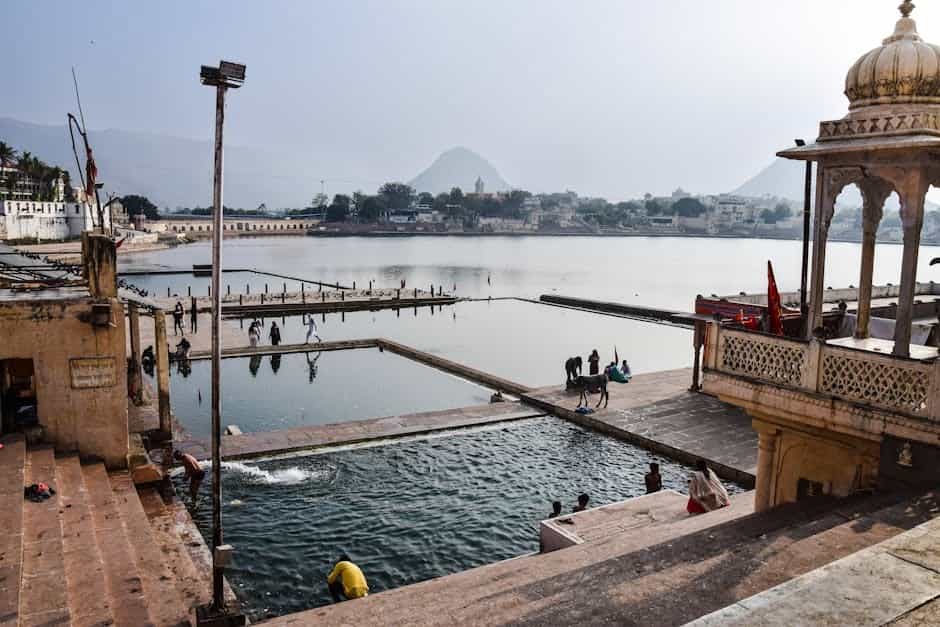
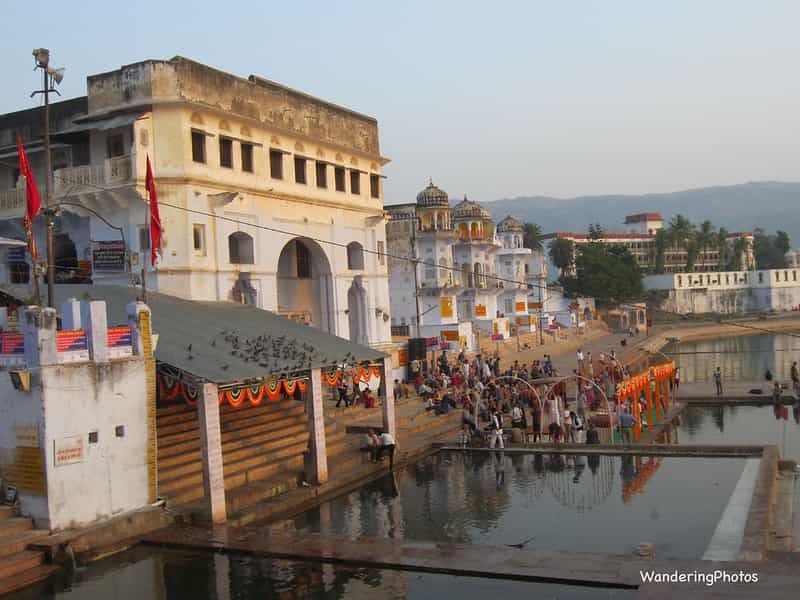
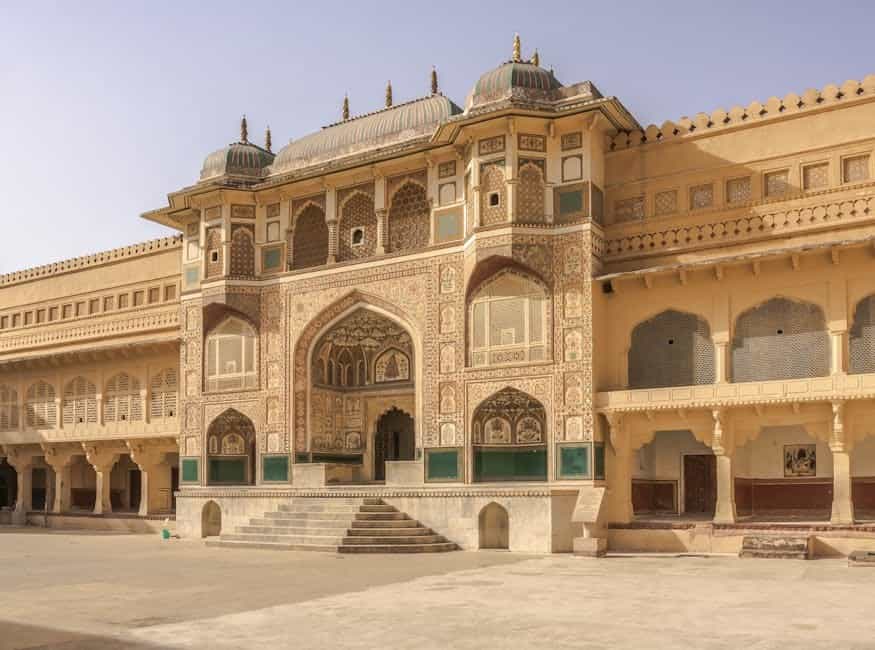
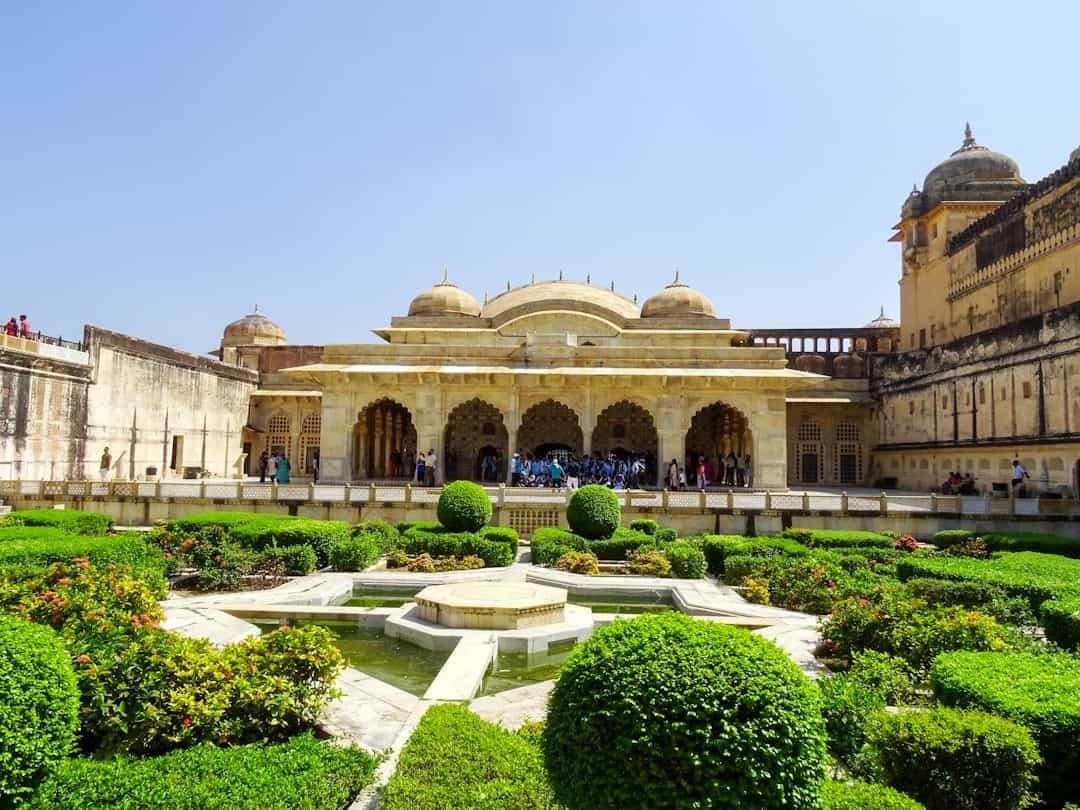
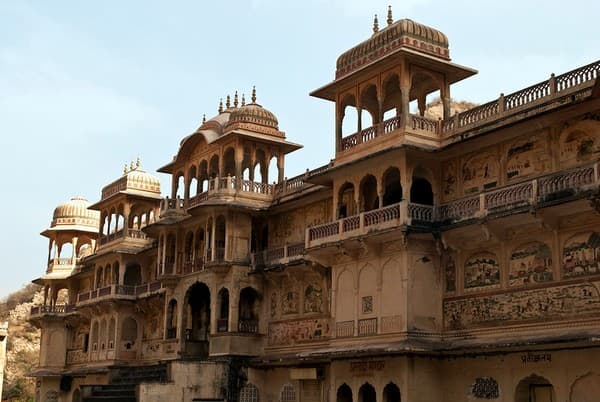
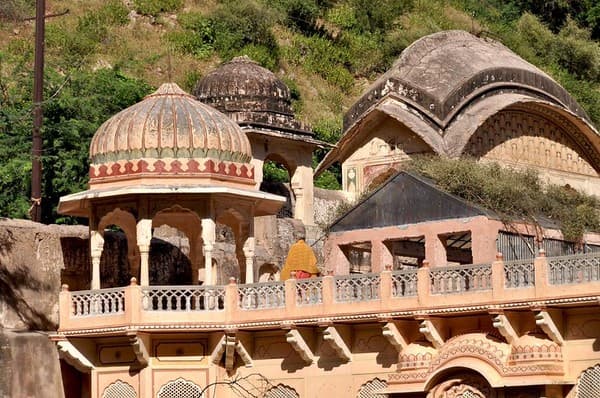
Galtaji Temple (commonly called the Monkey Temple) is an important Hindu pilgrimage complex set in a natural gap of the Aravalli hills near Jaipur, Rajasthan. The site combines religious significance with natural springs — several sacred kunds (water tanks) that feed perennial water sources — and has been a place of worship and ascetic retreat for centuries. The complex reflects Rajput-era temple architecture and pavilion-style buildings that were repaired and enhanced over time, serving both devotional and community functions.
Last updated: 31 May 2026
Historic Anecdotes
Legend associates the site with the sage Galav, who is said to have performed tapasya (penance) here and founded the holy water tanks. Local lore also emphasizes miraculous springs that never dry up, and the large population of rhesus macaques has given rise to many folk tales about their protective presence around the temples.
Places to visit
- Galta Kund – the main perennial tank where pilgrims bathe
- Series of temples and ornate pavilions built into the hillsides
- Large population of rhesus macaques (hence 'Monkey Temple')
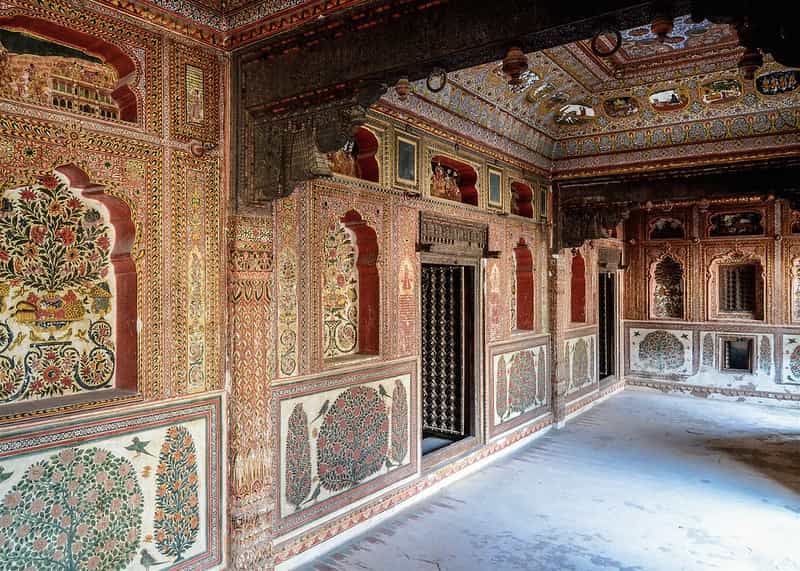
- Stone steps, carved terraces and painted frescoes in parts of the complex
- Panoramic views of the surrounding Aravalli hills and countryside
Unique Aspects
- Natural springs and multiple sacred kunds (some said to be constantly filled)
- Pink sandstone and painted architectural elements typical of the Jaipur region
- A mix of spiritual ambience and lively monkey activity — unique visitor experience
- Easy half‑day visit from Jaipur making it a popular short excursion
Things to do
- Pilgrimage bathing in the kunds (especially by devout Hindus)
- Temple darshan and offering prayers
- Photography of architecture, water tanks and monkeys (exercise caution)
- Short hikes and enjoying hill-top viewpoints
- Observation of daily rituals and local devotional music
Festivals & Events
- Makar Sankranti — a major time when pilgrims bathe in the kunds
- Increased activity during major Hindu festivals (e.g., Holi, Diwali) when devotees visit
- Local temple ceremonies and routine aartis (morning/evening worship services)
Best Time to Visit
October to March — cooler, more comfortable weather for walking and sightseeing.
Weather Conditions
Semi‑arid climate: very hot summers (April–June), monsoon rains (July–September) can be patchy, and pleasant winters (November–February). Expect strong sun in summer.
Entry Fees & Permits
Generally no formal entry fee for the temple complex. Typical visiting hours are from sunrise to sunset; specific temple timings may vary. Modest donations are common for offerings or services.
Accessibility
About 10–15 km east of Jaipur city; easily reached by car, taxi or organized tours. Nearest major transport hub is Jaipur (railway station and Jaipur International Airport). The site has many steps and uneven paths — not fully wheelchair accessible.
Recommended Duration
2–3 hours — half a day is sufficient to explore the main tanks, temples and viewpoints without rushing.
Clothing & Gear Tips
Wear modest clothing (covering shoulders and knees) out of respect. Comfortable walking shoes, hat, sunscreen, and a refillable water bottle are recommended. Keep valuables secured because of the monkeys.
Local Food & Souvenirs
Try nearby Rajasthani snacks and beverages (lassi, kachori, local sweets). Souvenirs available in Jaipur markets include block‑printed textiles, blue pottery, miniature paintings, jewelry and handicrafts.